
Calcium for turtles
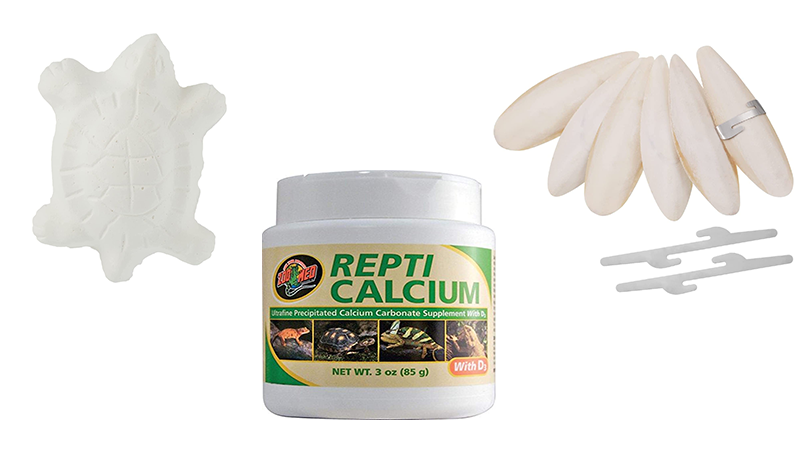
The calcium is a vital nutrient for the health of turtles, and ensuring your pet receives enough of this mineral is crucial to prevent bone diseases, proper development, and other health problems. We will provide you with all the information you need to understand the importance of calcium for turtles and how you can make sure your pet gets enough of this vital nutrient. Generally, one of the main problems captive turtles face is calcium deficiency.
Why is calcium important for turtles?
Calcium is essential for health for turtles because it helps them maintain strong and healthy bones and shells. Turtles need it to grow and develop properly, and a calcium deficiency can lead to serious health issues such as bone deformities, soft or weak shells, and fractures.
Maintaining strong bones and shells, calcium is necessary for other bodily functions in turtles, such as muscle contraction and blood clotting. Without enough of this mineral, turtles can experience muscle weakness, fatigue, and health problems that reduce their lifespan.
Calcium for aquatic turtles
Aquatic turtles spend most of their time submerged in aquaterrarium so we can provide a supplement in the form of calcium block for turtles. The block may be nibbled on by the turtles.
Calcium block
To maintain the level of vital calcium in the turtle aquarium, it is enough to place a calcium stone for turtles in the water area of the tank.
Usage: The block will gradually dissolve in the water, and once it is used up, another block will need to be added to maintain the proper calcium levels.
No products found.
No products found.
They cuttlefish bones which we show below in the land turtles section can also be used on top of turtle sticks.
No products found.
Preparation: The process is a bit more complicated since you must first wet the pellet or stick so it adheres, then sprinkle the grated cuttlefish bone powder on top. To grate the bone, we can use a knife.
The pellets or sticks we give as basic food to aquatic turtles already contain a percentage of calcium.
Calcium for land turtles
We will explore how to give calcium to a land turtle:
Powder Calcium carbonate
In the case of land tortoises a supplement of this mineral can be provided from Powdered Calcium Carbonate.
Preparation: We simply sprinkle it over the leaves or food we give to our turtle so it ingests it when eating the main food.
No products found.
Cuttlefish bones
The cuttlebone, also known as cuttlebone, is a popular and beneficial food for many turtle species, including land tortoises y aquatic turtles. Cuttlebone is rich in calcium, which is a useful nutrient for turtle health.
Preparation: There are several ways to offer cuttlebone to your turtle. You can place the bone inside the enclosure for it to peck and nibble. This will stimulate chewing and help maintain good dental health.
Another way is to grate the cuttlebone with a grater over its usual food, just like we do with powdered supplements. This way, the turtle gets the nutritional benefits of cuttlebone while eating. This method is used as a remedy for homemade reptile calcium.
No products found.
Calcium-rich foods for turtles
If we want to homemade turtle calcium we have to rely on foods that have a high content of this mineral. These are the calcium-rich foods for turtles most notable:
Leafy green vegetables
The leafy greens, such as kale, spinach, watercress, and chard, contain high levels of calcium and other essential nutrients that benefit turtle health.
Fish and seafood
On the other hand, the consumption of fish and seafood, such as shrimp, mussels, salmon, and prawns, provides an important source of calcium, protein, and omega-3 fatty acids, which are essential nutrients for a balanced turtle diet.
Meat
Like meat we can offer chicken heart and chicken liver.
Live fish
They live fish such as platy or guppy can be another calcium-rich food we can provide to our turtles.
How can I make sure my turtle gets enough calcium?
Many users wonder how to give calcium to turtles. There are several ways to ensure your turtle gets enough calcium in its diet. The most common way is through the food you give your pet. Calcium-rich foods for turtles include leafy greens like kale, dandelion, and spinach, as well as fruits like mango and papaya. Another option is to provide calcium supplements for turtles in powder or block form.
We must keep in mind that this should not replace a balanced diet.
Besides calcium-rich foods and supplements, we must ensure your turtle has access to an adequate source of UVB lightUVB light exposure is necessary for turtles to absorb, metabolize, and use the calcium from their diet, so making sure your pet has access to a proper UVB lamp is essential for its health. We have an article where we show you the options for UVB light for your turtleIf turtles have access to sunlight, it is not necessary.
No products found.
What is the correct calcium/phosphorus ratio?
Determining if the calcium ratio in a turtle's diet is adequate can be challenging since plants do not provide this information directly and it cannot be assessed by sight alone. For this reason, many places offer recommendations of ideal plants for feeding turtles, which are gradually identified with patience.
Although not all of them have a perfect calcium/phosphorus ratio, a varied diet based on these plants can be generally beneficial for turtles.
For feeding herbivorous land turtles we must maintain a calcium/phosphorus ratio of at least 2 to 1, always with more calcium than phosphorus in the diet.
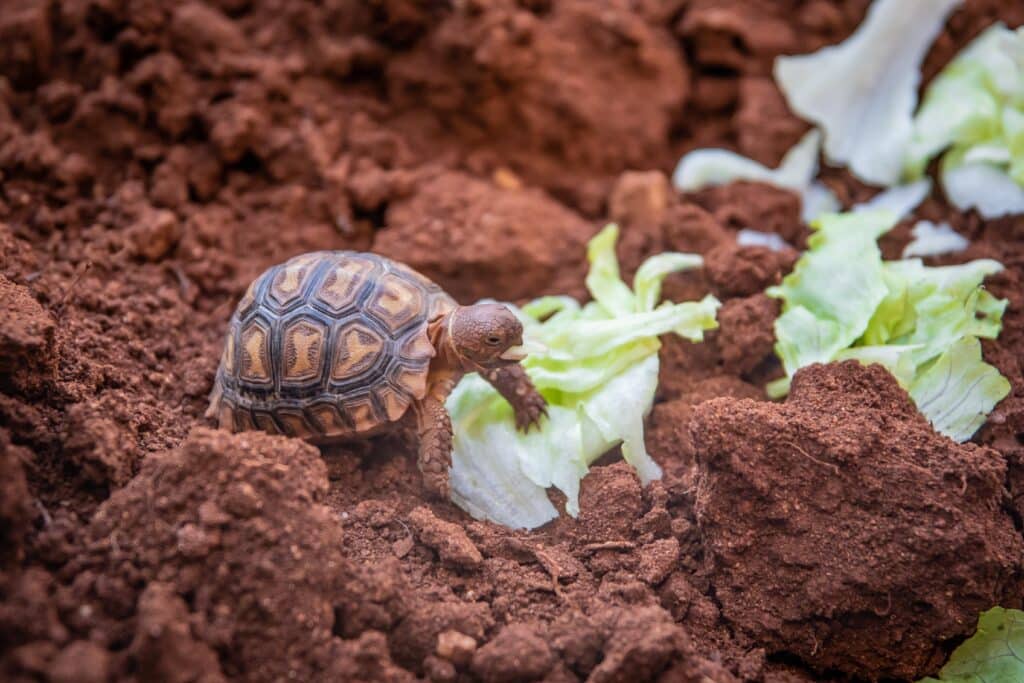
Calcium is a vital nutrient for turtle health. Ensuring your pet receives enough of this mineral is crucial to prevent bone diseases and other health issues. Providing calcium-rich foods, calcium supplements, turtle calcium and access to a proper UVB light source are the best ways to ensure your turtle is getting enough in its diet. By doing so, you can make sure your pet has a happy and healthy life.
Not all forms of calcium are beneficial for turtles, and it is not recommended to routinely give vitamin supplements to land turtles. We should only follow this practice if a veterinarian specialized in exotic animals and knowledgeable about turtles expressly recommends it. Otherwise, we should not administer supplements without their authorization and supervision.


Related content