
Salmonellosis in Turtles
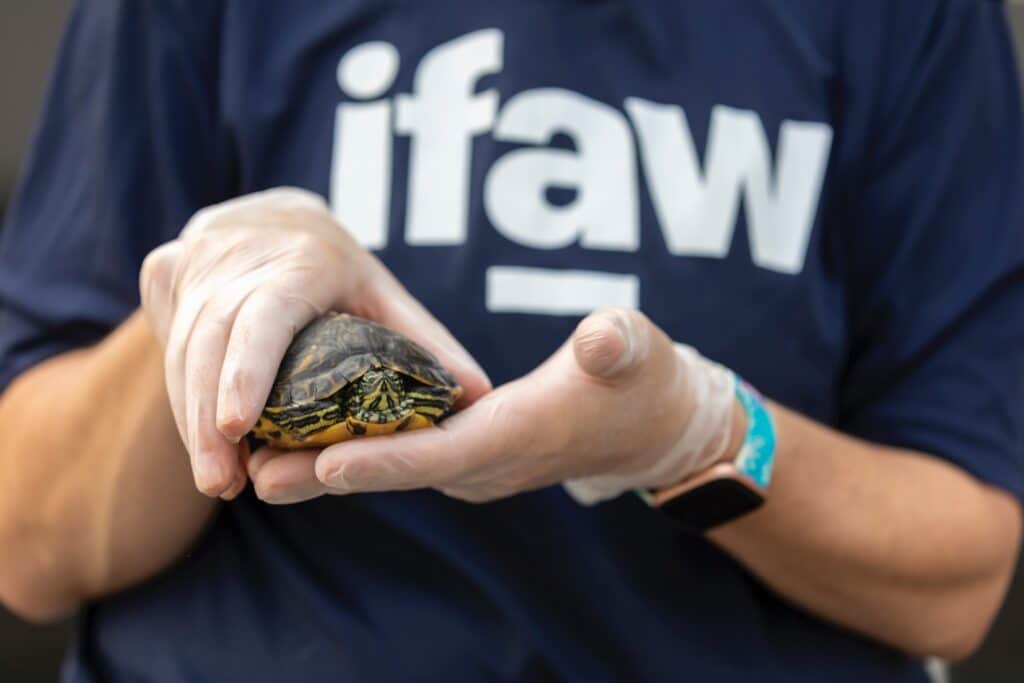
The salmonellosis (Salmonella spp.) is a bacterial infection that can be transmitted from animals like reptiles to humans, and one of the most common sources of this disease is turtles. Most turtles, especially freshwater turtles, can carry the bacteria Salmonella, which is the main cause of salmonellosis.
Although the bacteria can survive for long periods in the environment, it is the carrier state in animals (where the bacteria are present in their bodies but do not cause illness) that constitutes the main source of infection for animals and humans.
How Can a Turtle Transmit Salmonella to You?
The turtles can carry the bacteria Salmonella on their skin, shell, mouth, and intestinal tract. Turtles may appear clean and healthy, yet they can still transmit the bacteria to humans who handle or keep them as pets. Small and young turtles are more likely to carry Salmonella bacteria than adult turtles.
What Are the Symptoms of Salmonella?
Salmonellosis is a serious disease that can cause symptoms such as diarrhea, fever, abdominal pain, nausea, and vomiting. In severe cases, the infection can lead to dehydration, sepsis, and even death. People with weakened immune systems, young children, and the elderly are the most vulnerable to salmonellosis.
How to Prevent Turtles from Spreading Salmonella
To prevent salmonellosis, it is important to follow some simple guidelines when handling or keeping turtles as pets:
- Wash Your Hands with water and soap after touching the turtle or its habitat.
- Prevent Children children under 5 years old touch or play with turtles.
- Do not allow turtles to roam freely around the house, especially in the kitchen or food preparation areas.
- Keep Turtles in a clean habitat and healthy.
- Clean the Habitat of the turtle regularly and use disinfectants to kill bacteria.
- If you have contracted salmonellosis, avoid contact with turtles and other animals until you have fully recovered.
If you experience symptoms of salmonellosis after handling or keeping a turtle, it is important to seek immediate medical attention. Most cases of salmonellosis can be treated with antibiotics, but early treatment is essential to prevent serious complications.

Salmonella in Turtles
Clara Marín, a Veterinary professor at CEU-UCH and the lead researcher of this study, highlights that 29% of turtles kept as pets in Valencian homes have tested positive for Salmonella spp.
Because the reptiles are asymptomatic carriers of this bacteria, the growing popularity of turtles, especially small-sized ones kept in aquaterrariums as pets, makes it necessary to remind people of the risks of transmission, which are higher in children, the elderly, and those with immune system problems.
While turtles can be wonderful pets, especially for children, it is important to understand the risks associated with their handling and care. If you are considering getting a turtle as a pet, it is important to research and learn how to properly care for it to prevent the spread of diseases and ensure you are providing the best possible home for your pet.
Diseases That Turtles Can Suffer From
Some of the diseases that can affect turtles include respiratory, parasitic, and viral infections, as well as metabolic and skin diseases. Turtle owners or animal caregivers should be attentive to signs of illness and seek proper veterinary care to ensure the health and well-being of these unique animals.


Leave a Reply