
Spotted turtle
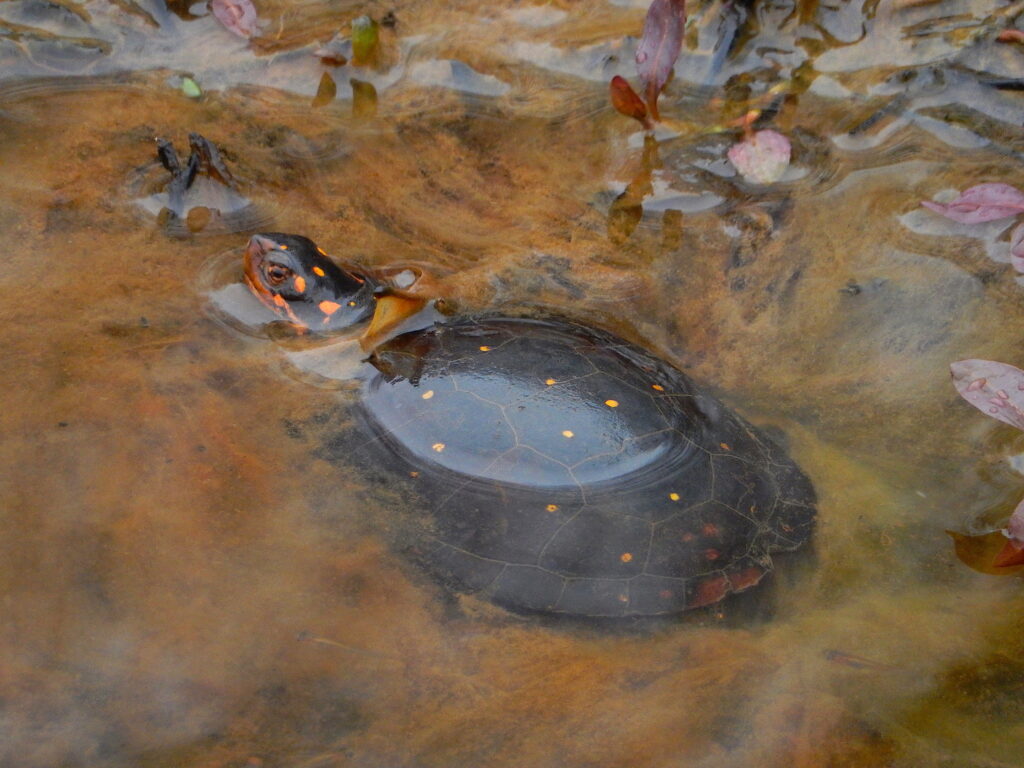
The spotted turtle (Clemmys guttata), is a small water turtle freshwater turtle found throughout much of eastern North America. It is one of the most common turtle species in the region and is valued for its beauty and gentle nature. Belonging to the family Emydidae, the turtle Clemmys guttata is the only member of the genus Clemmys, previously other species were part of the genus Clemmys.
Its conservation status is not endangered, but habitat loss and water pollutioncan be potential threats to its long-term survival. Appropriate conservation measures should be implemented to protect its habitat and prevent water pollution in the areas where it is found.
Where does the spotted turtle live? Distribution
The spotted turtle has a wide geographic distribution in southeastern North America, ranging from southern Ontario and Maine to northern Florida, including inland areas such as the southern Great Lakes, western Ontario, New York state, Pennsylvania, central Ohio, northern Indiana and Michigan, and southern Illinois. It can also be found further south in areas like Georgia and central Florida.
Characteristics
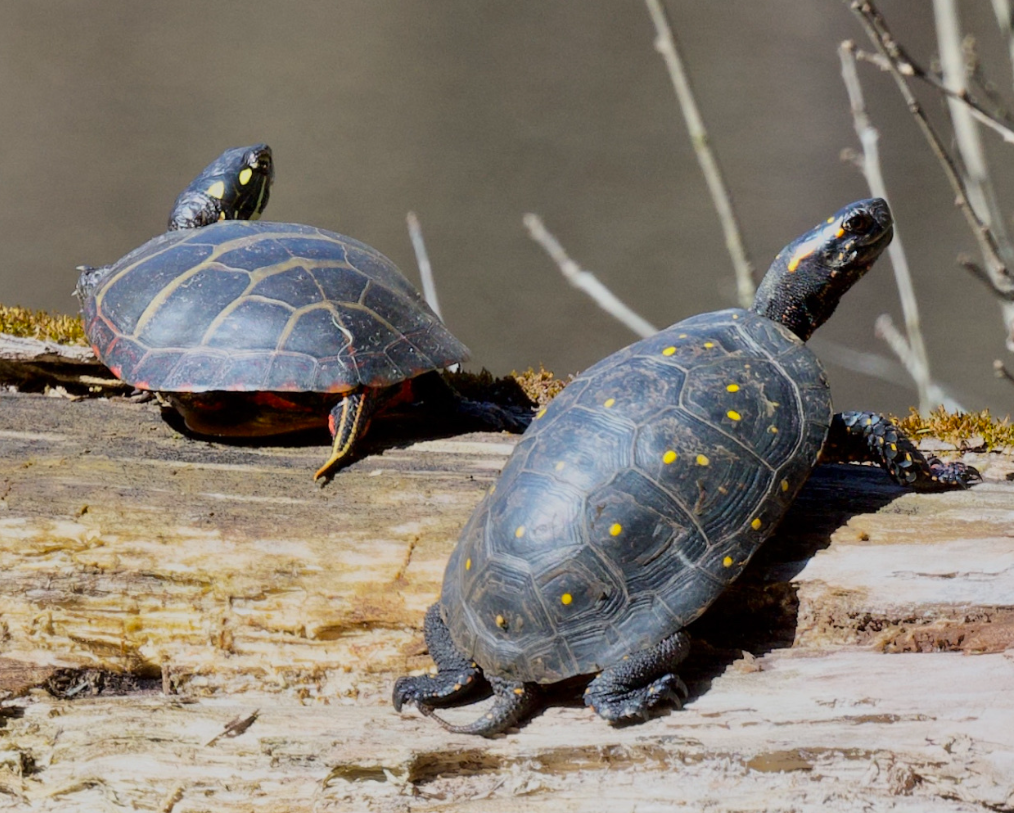
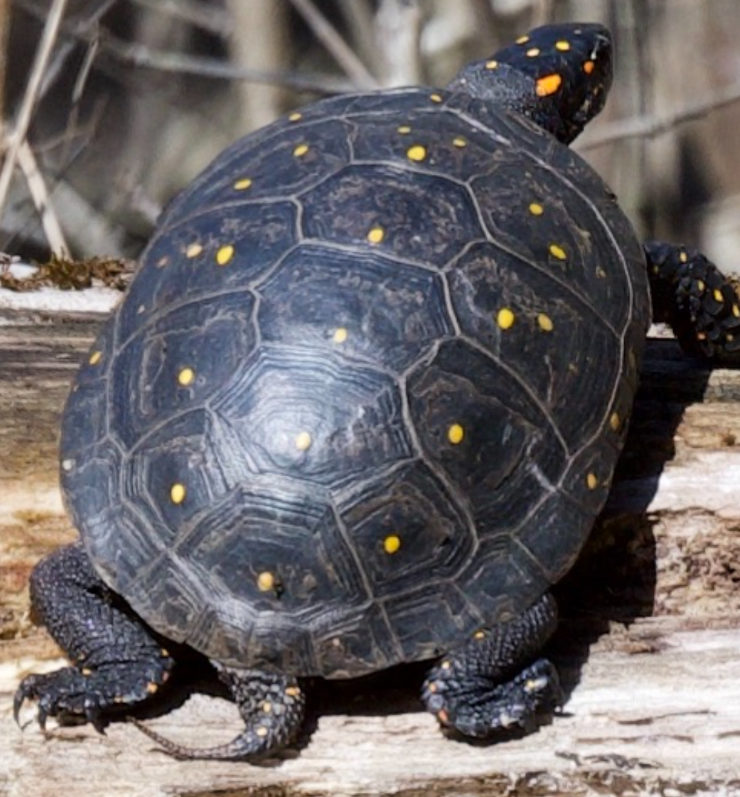
It is easily recognizable by its blue or black shell patterned with irregular yellow spots covering its back, head, neck, and legs. In some older individuals, the spotting may fade, but none are completely dark.
Its back is smooth, without a keel or serrated edges, even in young individuals. The underside of its marginal scutes is yellowish, sometimes with black spots, especially in juveniles.
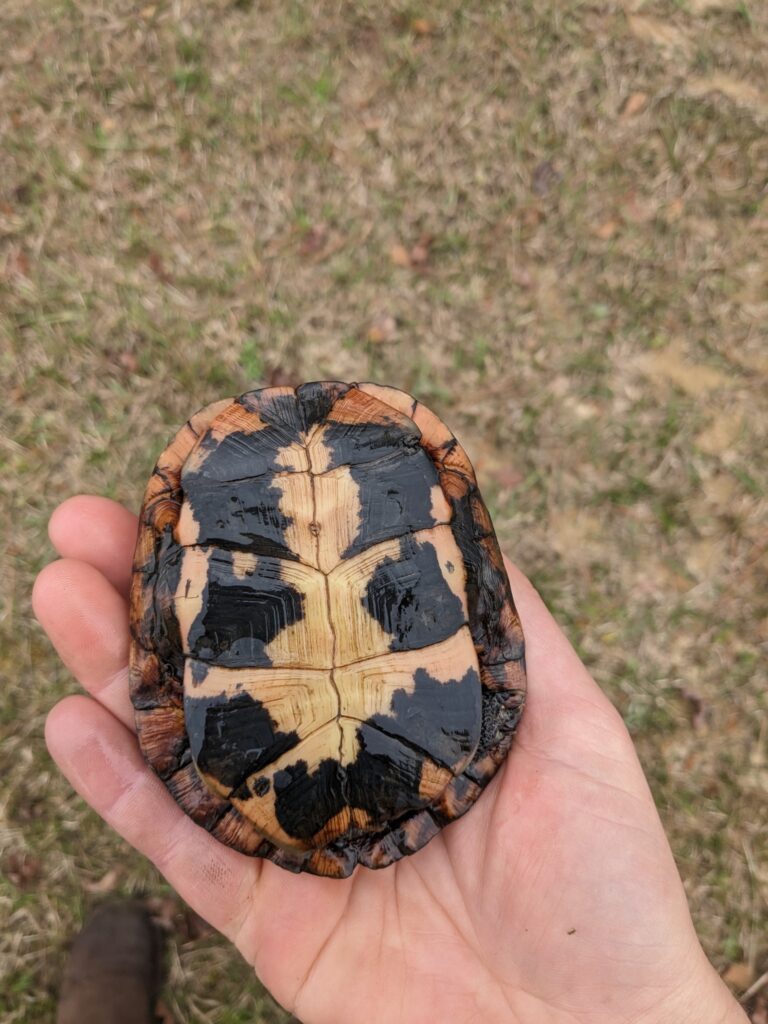
The bridges have a distinctive elongated black mark on a yellow background.
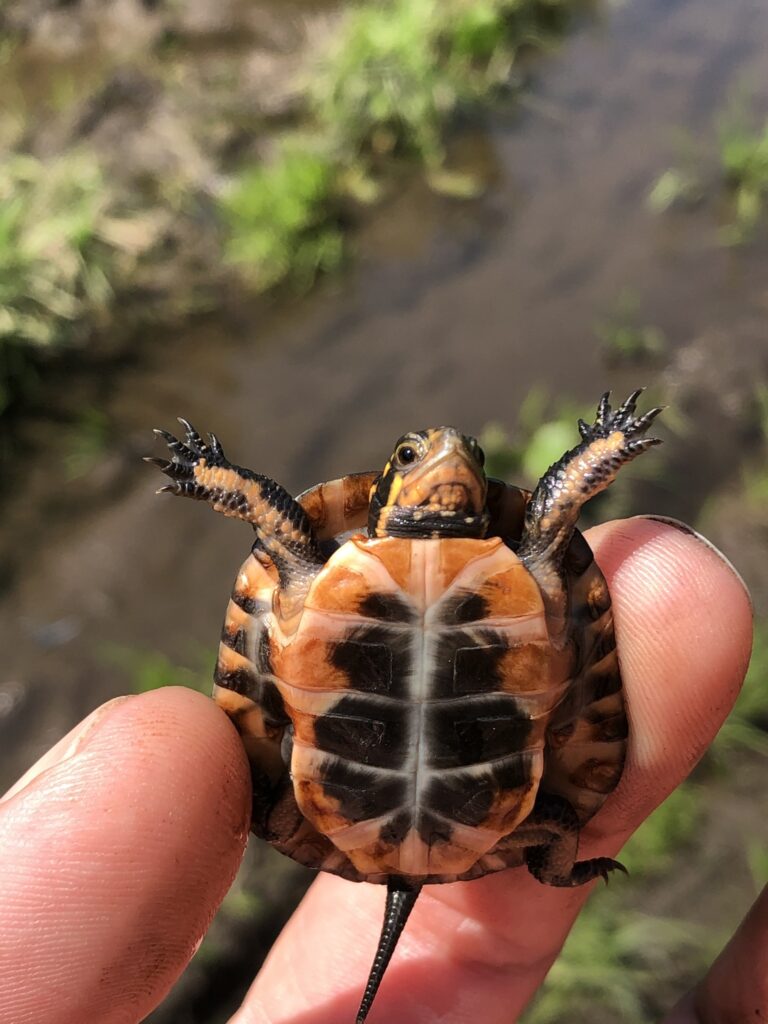
The plastron is yellow or orange, with large black spots on the edges that can extend onto the plastron in older individuals.
The head is medium-sized with the upper jaw slightly protruding and shaped like a parrot's beak. Along the neck, the fine yellow spots sometimes form lines that run under the eye to the base of the neck. The female's chin is usually yellowish, while the male's is brown. The eyes are yellow-orange in females and brown in males.
Juveniles are also dark blue, with a single yellow spot on each of the carapace scales, except on the cervical.
Habits
This species is known for inhabiting a variety of aquatic habitats, including wetlands and calm watercourses, as well as moist meadows and soft soils near rivers and forests.
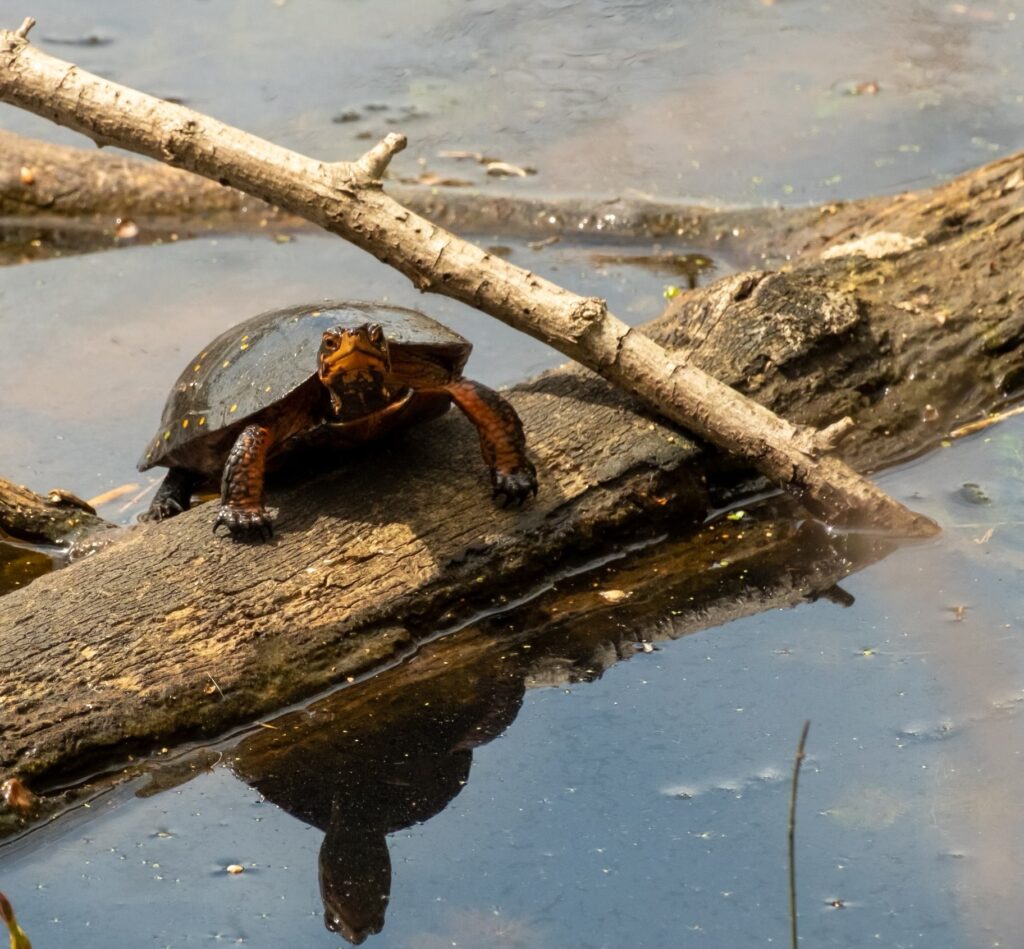
It can withstand quite cold temperatures and can hibernate for several months in the northern part of its range, while in the south it estivates in holes dug by other animals or in the mud of dry watercourses.
How long does the spotted turtle live?
The spotted turtle is a species that shows notable sensitivity in captivity and may not live many years under these conditions as it requires experience. This species can live up to 40 or 50 years.
How big is the spotted turtle?
It is a small turtle that reaches a length of up to 13 centimetersFemales, as is typical in turtles, are larger than males, but in this species, the difference is not as noticeable as in others.
What does the spotted turtle eat?
No products found.
Spotted turtle care
No products found.
No products found.
Reproduction
The species has lively mating, which takes place between May and June in the north and between March and April in the south, near swampy areas. The male chases the female on the shore and then catches up with her in the water to copulate.
They usually have two clutches, with a maximum of 8 fairly small eggs. The incubation period is about 80 days, and the hatchlings measure 30 mm and weigh between 5 and 8 g. The young hibernate in the nest in the northern part of their range and wait until spring to emerge.
Conservation status
The spotted turtles It is not listed as an endangered species but is increasingly threatened in its range. This species is found in the CITES Appendix II, which means that international trade of the turtle is regulated and restricted to ensure its conservation and survival.
It is a turtle species increasingly threatened due to human activity. Habitat alteration, the trade of the spotted turtle, and intensive agriculture are the main factors contributing to its decline.


Related content