
Land Tortoises
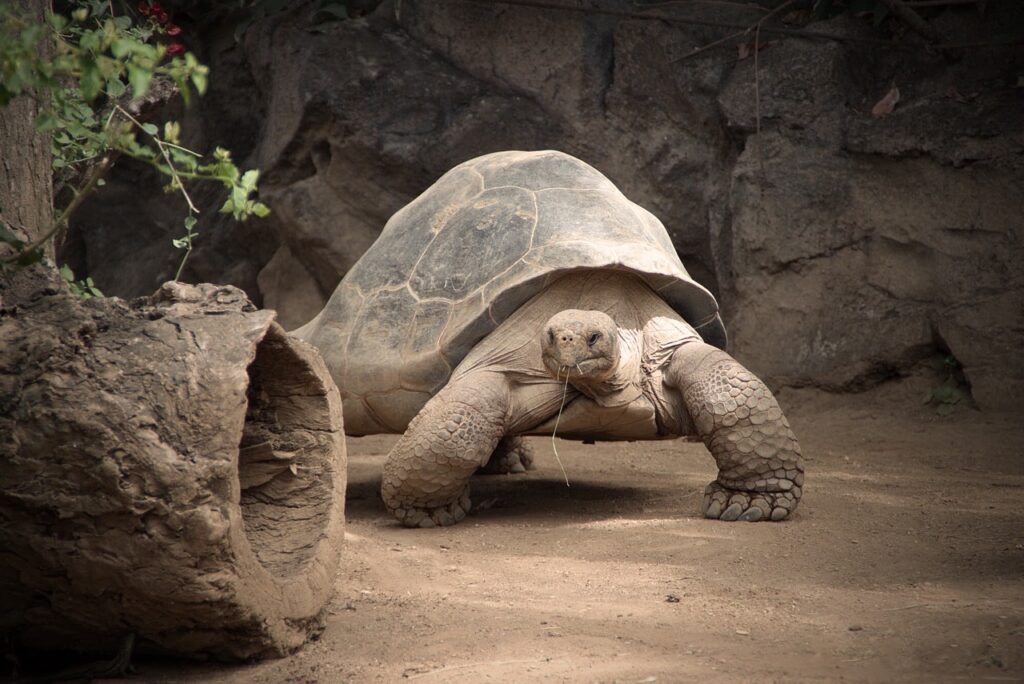
The land turtles are terrestrial animals that live in a wide variety of environments. Some species can be found in deserts while others land turtles can live in humid or forested areas.
Usually, the land turtles prefer areas with dense vegetation and access to fresh water, such as meadows, forests, mountains, plains, and savannas. They can also be found in coastal and beach areas, especially in warm and tropical regions.
Land turtles are known for their longevity, with some living up to a hundred years or more, and for their calm and friendly nature. Although they are relatively easy to care for, there are some important aspects owners should consider to ensure a healthy and happy life for their pets.
| Species | Common Name | Adult Size | Longevity | Ideal for... |
|---|---|---|---|---|
| Testudo graeca | Moorish Tortoise | 15 - 25 cm | 50 - 70+ years | Beginners (with garden) |
| Centrochelys sulcata | Sulcata Tortoise | 60 - 80 cm | 80 - 100+ years | Experts (requires a lot of space) |
| Agrionemys horsfieldii | Russian Tortoise | 15 - 25 cm | 40 - 50+ years | Beginners (very hardy) |
| Stigmochelys pardalis | Leopard Tortoise | 40 - 70 cm | 50 - 100 years | Intermediate (needs heat) |
In this article, we provide all the information about land turtles so you can gain a comprehensive understanding of them.
Characteristics of Land Tortoises
Below are some of the most notable characteristics:
Size
Land tortoises varied in size from small land tortoises as small as a few centimeters to large species that can reach over one meter in length. Their weight also varied considerably, from a few kilos to several hundred kilos.
Shell
The shell is one of the most distinctive features of land tortoises. It is made up of bones and bony plates that fuse together to form a solid, protective structure around the tortoise's body. The shell also serves as a calcium reservoir for the land tortoise.
Longevity
Land tortoises are known for their longevity, with some living up to a hundred years or more. The current world record for the oldest tortoise is 190 years.
Behavior
They are solitary animals and do not require the company of other tortoises. In fact, if kept in groups, they may fight or become stressed. Although not particularly active animals, they have a calm and relaxed personality, enjoy basking in the sun, and roaming their territory. They spend most of their time resting and moving slowly.
Land tortoises mark their territory by digging burrows, digging digging holes, and creating paths around their living area. They may also urinate or defecate in specific spots to mark their territory. The land tortoises they are very sensitive to stress and can suffer diseases or even die if they become too stressed. Sudden changes in the environment, lack of food or water, or rough handling can stress them and affect their health.
In winter, the land tortoises hibernate to conserve energy and survive during the cold months. During hibernation, the tortoise slows its metabolism and enters a state of lethargy. When spring arrives and the temperature starts to rise, the tortoise comes out of lethargy and returns to its normal activity.
Land tortoises are cold-blooded and depend on the environment to regulate their body temperature. They can regulate their body temperature basking or by seeking shelter in the shade. They have a highly developed sense of smell and hearing, but their vision is limited.
Essential Care Guide for Land Tortoises
First, an appropriate habitat must be provided for the land turtle. There should be a spacious and secure area for the turtle to move and explore. It is necessary to have a place for basking and another to hide and take shelter from the weather. The substrate turtles need is soil that allows them to dig and bury themselves. These are the following elements or turtle accessories.
Terrarium and Habitat for Land Turtles
Provide a house for land turtles suitable for turtles that has the appropriate size for their size, with enough space for them to exercise and strengthen their muscles, build calcium in their bones, and accumulate less fat. The space should be well ventilated but without drafts, which can be achieved through ventilation grilles or an open table. The walls must be high and smooth enough to prevent turtles from escaping or overturning. A turtle terrarium can be made of plastic boxes or wooden crates, plywood, metal, PVC, acrylic, etc. Glass tanks and closed aquariums are not suitable as they are small, retain too much humidity, and lack ventilation, but they can be adapted or new models with these features can be used.
You must ensure that the turtles cannot be disturbed or harmed by providing a cover with good ventilation, such as wire mesh.
This land turtle house should include a soil area and a water container to drink and wet themselves.
It is also necessary to provide turtle shelters, where they can hide and feel safe so they can be comfortable.
Substrate
There are various types of substrates that have been used over time, each with its own advantages and disadvantages.
One of the most recommended and economical substrates is a mix of garden soil and sand.
It is advisable to avoid substrates containing aromatic wood, such as pine and cedar, because they contain phenols that can cause liver damage in turtles over time. Substrates must be safe and healthy for pets.
No products found.
Temperature
Land turtles need proper temperature and humidity to stay healthy. The land area should be between 20-30°C, and humidity should be between 50% and 70%. These values depend on the species of land turtle.
Lighting
Land turtles need exposure to sunlight or an artificial light source that provides the UVB rays and UVA rays necessary for their health. The land turtle lamps are an essential element that must be considered. Especially necessary when they are baby land turtles.
No products found.
Terrarium Cleaning
Another aspect of caring for land turtles is hygiene. Food and water containers, as well as the turtle’s enclosure, should be cleaned regularly. When handling the turtle, care must be taken as they can transmit zoonotic diseases.
Feeding Land Turtles
Regarding feeding, land turtles are herbivores and they need a varied and balanced diet. Vegetables like green leaves, such as lettuce, cabbage, and spinach, are a good source of nutrients for turtles. They also need a calcium source, so you should offer them calcium supplements and cuttlebone.
It is essential to provide a healthy diet to captive turtles that mimics their wild diet, with high fiber, low protein (5-8%), and rich in calcium. The right amount of food should be offered, avoiding overfeeding, and varying their diet to supply vitamins and micronutrients found in various fresh plants.
Also offer the food in a container that allows easy access and prevents mixing with the substrate, for example, a large flat stone on the substrate.
Another way to feed land turtles is with sticks prepared for their herbivore diet:
Food for Land Turtles
Sera Reptil Professional Herbivor is a food for herbivorous reptiles, including land turtles and iguanas. This food comes in the form of pellets made up of two distinct parts.
The outer ring of the pellets contains a carefully selected blend of more than 20 herbs, corresponding to the natural diet spectrum of European land tortoises
No products found.
What Can a Land Turtle Eat?
The diet of land tortoises varies depending on the species, age, and health of the tortoise. In general, land tortoises need a balanced diet that includes a variety of fresh, high-quality foods. Here are some general tips on feeding land tortoises:
Leafy greens. Land tortoises should be given a variety of leafy green vegetables, such as romaine lettuce, spinach, mustard greens, kale, chard, clover, and dandelion.
Vegetables. In addition to leafy greens, land tortoises can eat a variety of other vegetables, such as carrots, cucumbers, zucchinis, pumpkins, and peppers.
Fruits. Fruits should be offered in moderation, as they contain natural sugars. Some fruits that can be good for land tortoises are apples, strawberries, melons, and bananas.
Proteins. Land tortoises need protein to maintain good health. They can get protein from insects like crickets and worms.
Supplementation with calcium for turtles is crucial and it is recommended to sprinkle powdered calcium on all meals. If the animal is kept indoors, calcium supplements with vitamin D3 are suggested, while if kept outdoors, supplements without vitamin D3 should be used. Cuttlefish bones can be provided and can be broken into pieces if necessary.
They should not be fed an exclusive diet of dry turtle food, as these foods do not provide the variety of nutrients they need. Additionally, it is important to provide land turtles with fresh, clean water at all times.
Hibernation
Turtles are cold-blooded animals that regulate their body temperature through the ambient temperature. If our turtle lives outdoors, the land turtle can enter a state of dormancy known as hibernation, which allows them to survive during the winter months when the temperature drops too low.
When hibernationoccurs, turtles reduce their metabolic activity, lower their heart and respiratory rates, and may even stop eating and digesting. This helps turtles conserve energy and avoid dehydration, since metabolic activity and breathing generate heat and water.
Some species are not native to areas with cold winters and are not adapted for hibernation. If it occurs, it can be dangerous if the turtles are not properly prepared or if environmental conditions
Types of Land Tortoises
There are numerous species of land turtles worldwide, some of which are very popular as pets. Below are some of the most common types of land turtles:
Argentine Turtle
Star Tortoise
Carbonaria Tortoise
Leopard Tortoise
Moorish Tortoise
Galápagos Tortoise
Mediterranean Tortoise
Russian Tortoise
Sulcata Tortoise
Land Tortoise Accessories
Buy Land Tortoise
Buying a Land Turtle It is a decision that must be made responsibly and ethically. Research on land turtle species should be done in advance, find a trusted breeder or seller, and check the turtle's health before buying. It is also essential to prepare for proper turtle care, including providing a suitable habitat, food, lighting, and heating. One must consider the long-term responsibility of caring for a pet, as land turtles can live for decades. Overall, buying a land turtle requires patience and proper planning to ensure the turtle is happy and healthy throughout its life.
Kiwoko is a chain of pet stores located in Spain and Portugal. It may be possible to buy a land turtle at a Kiwoko store, which offers a variety of pet products, including food, supplies, and accessories for land turtles. The land turtles with price most affordable are the most common in the store. They can also provide information and advice on proper care for land turtles, including their diet, housing, and medical needs.
The best option to get a free land tortoises is adoption, as many people cannot take care of them over time. On platforms like Milanuncios or Wallapop, you might find land turtles for adoption.
Land Tortoise Video
In this case, we leave a short video of a beautiful Sulcata tortoise.
Frequently Asked Questions about Land Tortoises
The species most recommended for beginners are usually the Russian Tortoise (Agrionemys horsfieldii) and the Moorish Tortoise (Testudo graeca). Both are very hardy, of a manageable size, and adapt well to captivity as long as they are provided with a suitable habitat with a garden.
Yes, it is absolutely vital. Although they live on land and get some moisture from their food, they should always have a shallow dish or container with fresh, clean water available. It serves for drinking and hydration, as well as bathing and temperature regulation.
The space depends entirely on the species. A general rule for small to medium species like the Russian Tortoise is an indoor terrarium of at least 120x60 cm, although a secure outdoor enclosure in a garden is always preferable. Giant species like the Sulcata Tortoise literally need an entire garden and are not suitable for indoor keeping once they are adults.
Generally, not recommendedLand tortoises are solitary and territorial animals. Putting two males together will almost always result in fights and stress. Putting a male and a female together can lead to constant harassment of the female by the male. If you want to keep a group, you need an extremely large space and a ratio of several females per male to minimize conflicts.


Leave a Reply