
Eye infections in turtles

The turtles are popular pets due to their small size and low maintenance, but like any other pet, they are also susceptible to diseases and health problems. One of the most common diseases that affects turtles is eye infection in turtles. Now we will discuss the causes, symptoms, and treatment of eye infections in turtles.
Turtle eyes
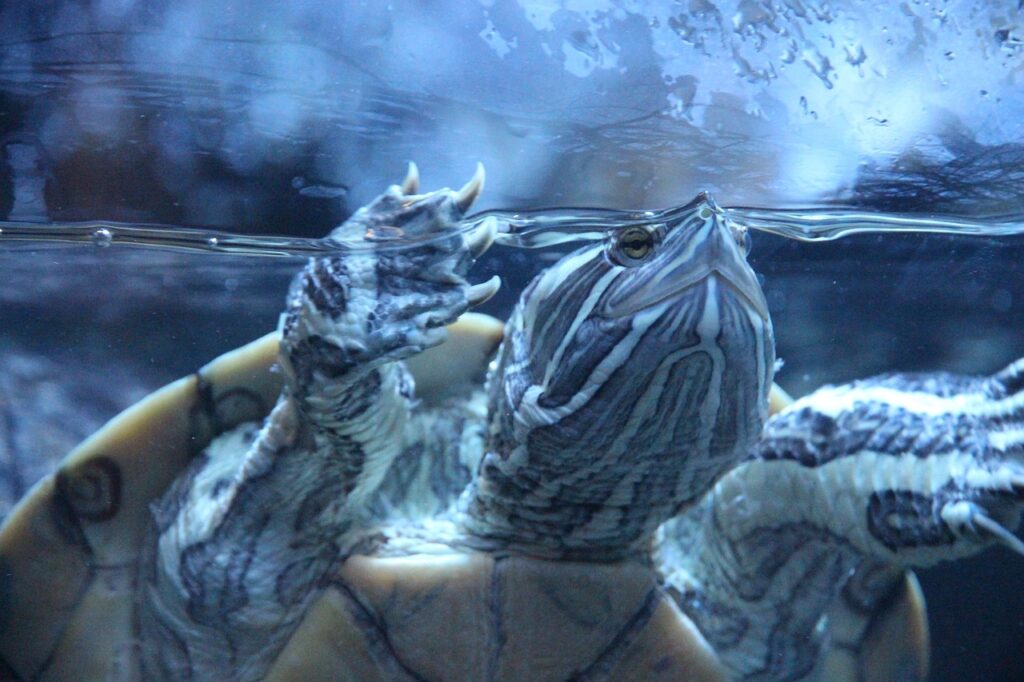
Turtle eyes are a fundamental part of their anatomy and play a crucial role in their survival. These sensory organs allow them not only to see their surroundings but also to detect potential threats and find food. Like us, they can suffer from eye infection in turtles that compromise their vision and overall health.
One of the main causes of eye infections in turtles is the lack of proper hygiene in their habitat. If the water they live in is not kept clean and filtered, bacteria and other microorganisms can multiply and affect the eyes of these reptiles. Additionally, the buildup of dirt and food debris in the environment can also contribute to the development of infections.
My turtle has white eyes
My turtle has white eyes, is a concerning condition that may indicate the presence of an eye infection. They can be caused by various factors such as bacteria, fungi, or parasites as we have already seen. White eyes are a characteristic symptom of these infections and should be treated immediately to avoid complications.
If your turtle has white eyes, it is important to observe other symptoms that other symptoms may be present. These can include swelling, redness, discharge, or difficulty opening or closing the eyes. Additionally, the turtle may show signs of general discomfort, such as loss of appetite or lethargy. These additional symptoms can help determine the underlying cause of the infection and guide appropriate treatment.
To to treat the eye infection in your turtle, it is advisable to visit a veterinarian specialized in reptiles. The vet will perform a detailed examination of the turtle's eyes and determine the best course of action. Depending on the cause of the infection, topical or systemic medications may be prescribed to fight the infection and relieve symptoms.
In addition to veterinary treatment, it is also important to provide proper eye care to care for your turtle at home. This includes keeping the water in its habitat clean and of good quality, as dirt and contaminants can contribute to the development of eye infections. Also, make sure the habitat's temperature and humidity are appropriate, as extreme conditions can weaken the turtle's immune system and increase the risk of infections.
Symptoms of eye infection in turtles
The symptoms of an turtle with eye infection may vary depending on the cause, but some common symptoms include:
- Redness in the Eyes
- Eye Discharge
- Eyelid Inflammation Caused by Vitamin A Deficiency
- Long or Curved Eyelashes That Irritate the Eyes
- Loss of Appetite
- Abnormal Behavior, Such as Moving Slowly or Not Wanting to Leave Its Shell
Causes
They can be caused by a variety of factors, including:
- Dirt and Dust in the EnvironmentTurtles can suffer these problems due to dirt and dust that can accumulate in their eyes.
- Eye InjuriesTurtles can injure their eyes due to fights with other turtles, falls, or accidents.
- Hygiene Issues: If turtles are not kept in a clean environment, they can be exposed to bacteria and viruses that may cause eye problems.
- Diseases: Some diseases can affect turtles' eyes, such as vitamin A deficiency.
- Poor Nutrition: Some turtles are fed only gammarus, typical shrimp that do not provide proper nutrition. The turtles suffer from multiple vitamin and nutrient deficiencies essential for their development.
Treatment of eye infections in turtles
The treatment of Eye infections in turtles It will depend on the cause and severity of the infection. If you suspect your turtle has an eye infection, the best thing to do is take it to a veterinarian specialized in exotic animals.
The common treatment may include:
- Eye cleaning with saline solution.
- Topical antibiotics to treat the infection, which must be prescribed by a veterinarian.
- Control of the turtle's environment hygiene.
- Diet changes to include essential nutrients like vitamin A.
To prevent this, keep the environment clean and free of dirt, harmful bacteria, and other contaminants that may be in the water or terrarium. Proper nutrition is also crucial to ensure turtles receive the essential nutrients they need to maintain their eye health and overall well-being.
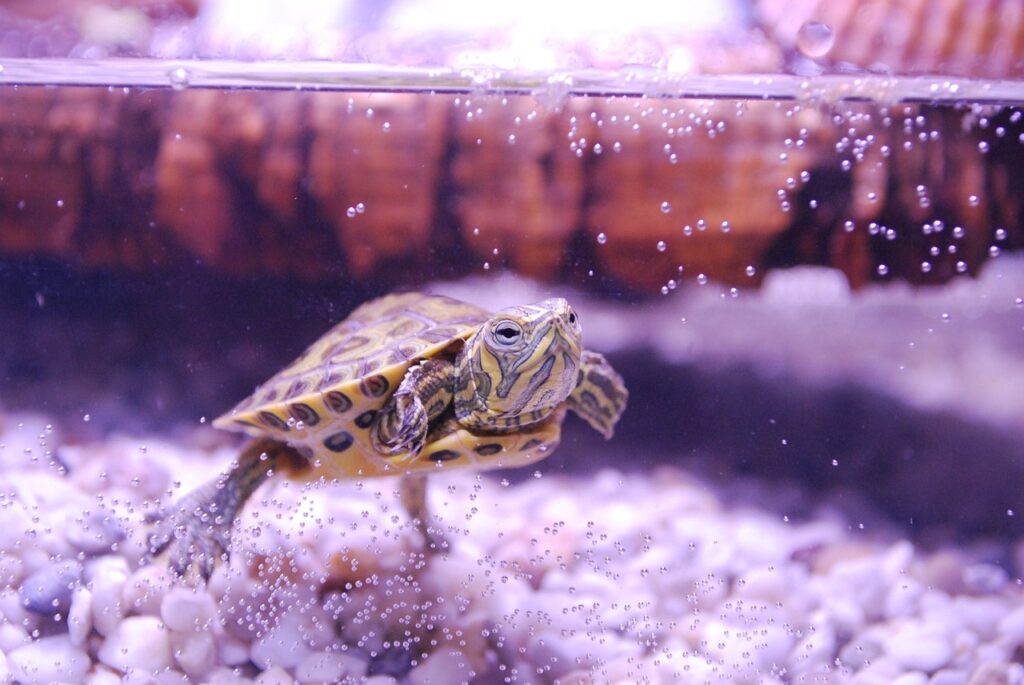
The eye infection in turtles is common in turtles and can be caused by a variety of factors. You should watch for symptoms and take your turtle to the vet if you suspect any eye infection. With proper treatment, most infections can be successfully treated.


Related content