
Pond
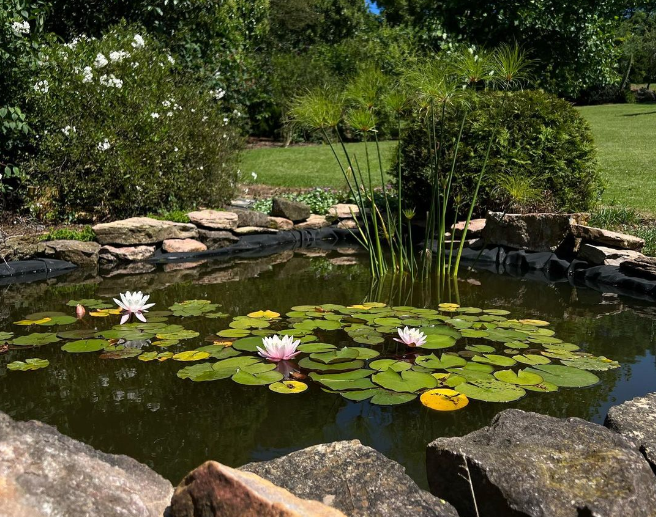
A pond is a decorative element that can transform an ordinary garden into an oasis of beauty and tranquility. The variety of shapes, sizes, and materials available to create a pond is as vast as the owner's creativity.
Ponds can also benefit local wildlife and plants. Having one in your garden provides a home for animals like frogs, turtles, fish, ducks, dragonflies, and butterflies, among others. They can offer a habitat for aquatic plants that cannot be grown elsewhere in the garden. We often remember the usual duck pond in parks, which adds extra value.
How to Choose the Type of Pond
Besides the types of ponds mentioned earlier, there are other factors that can influence the kind of pond you choose for your garden. Some of these factors are described below:
Size
The size of the pond can range from small decorative fountains to large artificial lakes. Consider the available space in your garden before deciding on the pond's size.
Depth
The depth of the pond can vary depending on its purpose. For example, a fish pond should be deep enough to allow fish to move freely and hide from predators. A swimming pond, on the other hand, should have a uniform depth to ensure swimmer safety.
Shape
The shape of the pond can affect its aesthetics and functionality. For instance, an irregularly shaped pond may look more natural and appealing to local wildlife and plants. A geometrically shaped pond might be better suited for a formal garden.
Materials
The type of material used to build the pond can also vary. For example, plastic or fiberglass ponds are more affordable and easier to install, while concrete or stone ponds can be more durable and visually attractive.
Location
The pond's location in the garden can also influence its design and use. For example, a pond placed in a shaded area may have different care requirements than one located in a sunny spot.
No products found.
Turtles for Ponds
Turtles can be a great addition to a pond as long as the proper care conditions are provided. To choose the right species for your pond, you need to consider several characteristics, ensure the pond has the appropriate size and depth, maintain the right water temperature, and provide a varied diet along with regular veterinary care. With proper care, turtles can be a beautiful addition to your garden. These factors will depend on the area where you build it. Possible turtles for ponds include:
[orbital_cluster categories="136" order="DESC" posts_per_page="12"]
Pond Care
Keeping a pond in good condition requires certain care. Some of the most important care tips are described below:
Cleaning
Keep the pond free of leaves, branches, and other debris that may fall into it. If not cleaned regularly, this debris can clog the filtration system and cause problems with the biological balance.
Filtration
The filtration It is essential to maintain water quality. Having an adequate filtration system is crucial for preserving water quality. Biological and mechanical filters are two common types of filtration systems used in ponds. Consider the number of fish and other organisms to ensure the filtration system can handle the amount of waste produced. By maintaining a proper filtration system, you can ensure the ecosystem stays balanced and healthy in the long term.
Aeration
Oxygen is an essential element for sustaining aquatic life in a pond. It is necessary to ensure that the water has enough oxygen to maintain the health of the fish, plants, and other aquatic organisms living in it.
There are several ways to provide oxygen to the water. The most common method is through a water circulation system, which can be a water pump or a filter that helps move the water around. The movement of the water helps mix the oxygen from the air with the water, increasing oxygen levels in the water.
Algae Control
The Algae They can grow quickly in a pond and cause water quality problems. Their growth should be regularly controlled using algaecides and maintaining a good biological balance in the tank.
Types of Ponds
There are several types of ponds, each with its own characteristics and care requirements. Below are some of the most common types:
Natural Pond
They are designed to resemble natural bodies of water, such as lakes or streams. They usually have an irregular shape and are surrounded by aquatic plants and rocks.
Formal Pond
They have a defined geometric shape, such as a square or a circle. They are usually surrounded by paving and may feature a fountain or a waterfall.
Garden Ponds
They are small and can be placed anywhere in the garden. They usually have a round or square shape and can vary in depth.
Fish Pond
They are specifically designed to keep and breed fish. They usually have specialized filtration and oxygenation systems to maintain water quality and fish health.
Turtle Pond
They have specific requirements that must be met to ensure the health and well-being of the water turtles. When building a turtle pond, factors such as size, depth, filtration and oxygenation systems, sun and shade areas, aquatic plants, and dry zones where turtles can leave the water and rest must be considered.
Prefabricated Pond
These ponds are usually relatively small in size and are designed to be installed in home yards or gardens or cultivation sites.
Prefabricated ponds can be made from different materials, such as plastic, fiberglass, or concrete. These ponds often come with additional features, such as a platform for turtles to climb out of the water and bask, or a waterfall to create a more natural and enriching environment for the animals.
Ornamental Ponds
They are designed to be the focal point of the garden and often have decorative features, such as statues or lights.
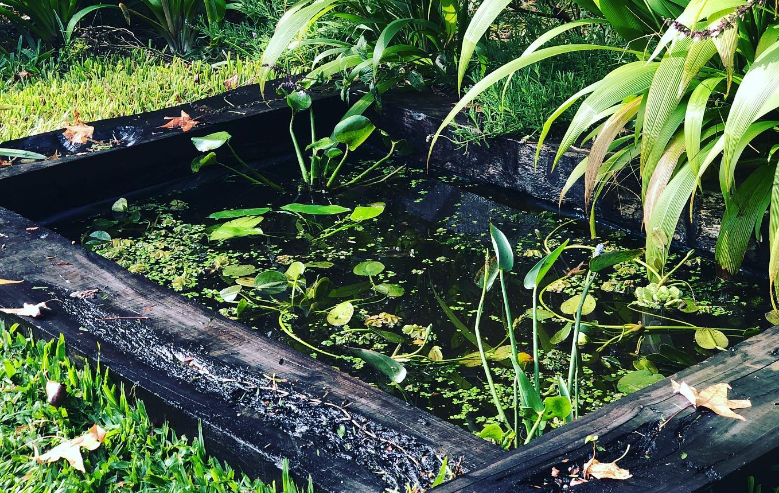
Raised Pond
A raised pond is a type of water containment structure located above ground level. They are often used in gardens or patios and can be built from various materials, such as wood, metal, or plastic.
No products found.
How to Make a Homemade Pond
If you're looking for an affordable and simple way to create a pond in your garden, making a homemade pond with a liner is an excellent option. In this article, we will show you the necessary steps to create a beautiful pond with a liner at home.
Choose the ideal location
Before starting, it's important to choose the right location for your pond. It should be away from large trees and shrubs to prevent leaves and branches from falling into the water and dirtying it. Additionally, the spot should have good sun exposure so aquatic plants can grow properly.
Decide the size and shape
Once you have chosen the location, it's time to decide the size and shape of the pond. The size will depend on the available space and your needs, while the shape can be circular, square, rectangular, or irregular.
Prepare the ground
Before placing the liner, it's important to prepare the ground. It should be level and free of stones and roots that could damage the liner. It's also recommended to add a layer of sand or fine soil to protect the liner and ensure a smooth, even surface.
Lay the liner
Once you have prepared the ground, it's time to place the liner. The liner should be large enough to cover the pond area with at least an extra 30 centimeters of border to secure it to the ground. To prevent damage to the liner, it's advisable to place a layer of geotextile or felt underneath it.
Install the filtration system
After placing the liner, it's important to install a filtration system. This will help keep the water clean and clear and prevent the buildup of dirt and algae. You can choose a biological or mechanical filtration system, or both.
Add stones and plants
Once you have installed the filtration system, it's time to add stones and plants. Stones not only add beauty and texture to the pond but also serve as shelter for fish. Aquatic plants are essential for keeping the water clean, as they absorb nutrients that would otherwise feed algae.
Add fish or turtles
Finally, it's time to add fish or turtles. Fish and turtles are a fundamental part of any pond, adding color and movement to the water. Choose the right fish according to the size and depth of the pond and maintain a proper balance between fish and plants to keep the water clean and clear.
Pond Liners
Pond liners are flexible and durable materials used to line the bottom and walls of ponds, creating a watertight container that holds water. Pond liners can be made from different materials such as PVC, EPDM, HDPE, and LDPE, and the choice will depend on factors like the size and shape of the pond, as well as the budget and owner’s preference.
PVC liner is a commonly used material for ponds due to its durability and UV resistance. It is also tear-resistant and is an economical option compared to other materials.
EPDM liner is another popular choice for ponds, as it is highly resistant to abrasion, tearing, and chemicals, and can last more than 20 years under normal use conditions. However, it is a more expensive option than PVC liner.
HDPE and LDPE liners are less common but still viable options. HDPE is resistant to UV rays and wear, while LDPE is more flexible and less prone to tearing.
Buy Pond Liners
No products found.
Benefits of Having a Pond
A pond in your garden offers benefits, as it is a source of beauty and tranquility among others. Some additional benefits are the following:
Attracting Local Wildlife
They are a natural habitat for many animals, such as frogs, dragonflies, and butterflies. Having a pond in your garden can attract these animals and create a diverse ecosystem.
Air Quality Improvement
Aquatic plants that grow in ponds are excellent filters of CO2 and other harmful substances from the air. This means a pond in the garden can help improve the air quality of your surroundings.
Mental Health Benefits
The sound of water and the view of a pond can have relaxing effects and reduce stress. It requires some care, which can be a therapeutic and rewarding activity.
Increased Property Value
A well-designed and maintained pond can increase your property's value and make it more attractive to potential buyers.
Frequently Asked Questions
Below we show you some of the most frequently asked questions when considering building a pond.
What Size Pond Do I Need for Fish?
It depends on the type and number of fish you want to have. As a general rule, you will need at least 100 liters of water per fish.
What are the best aquatic plants for my pond?
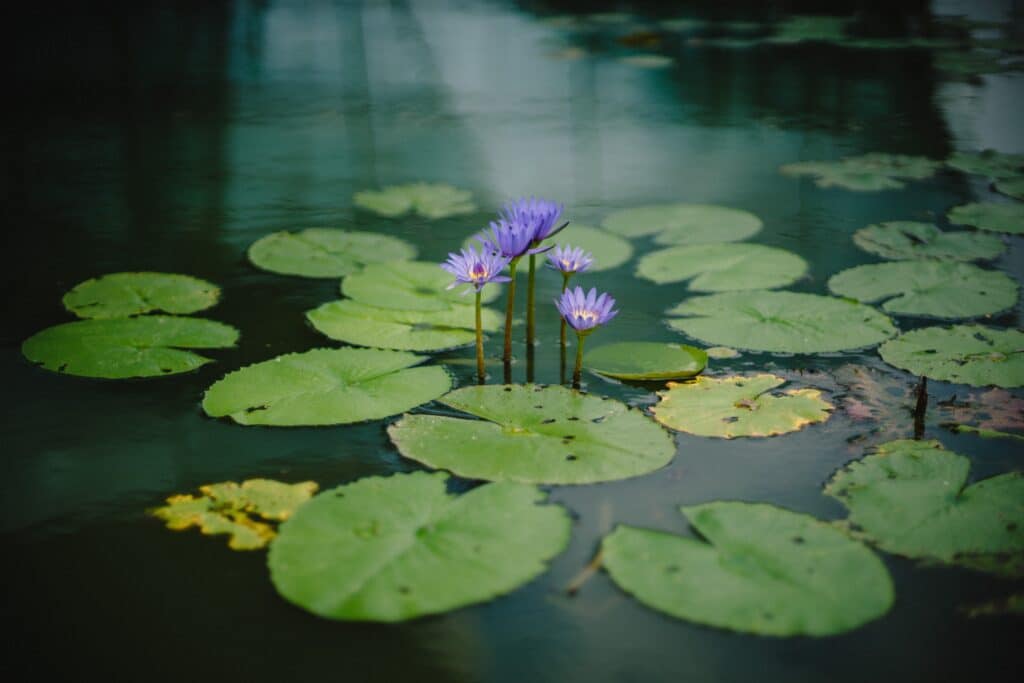
The best aquatic plants depend on the depth and amount of available light. Some popular options include water lilies, lotus, and water hyacinths.
Do I need a pump and filter for my pond?
Yes, a suitable pump and filter are essential to maintain water quality and ensure the health of fish and plants.
Can I have a pond if I live in a cold climate?
Yes, you can have a pond in a cold climate, but you should choose plants, turtles, and fish suitable for the climate and consider using a water heater in winter.
How long does it take to build a pond?
The time it takes to build depends on the size and complexity of the project, but it can generally take several weeks or even months.
Can I use tap water in my pond?
Yes, you can use tap water, but you must treat it with a water conditioner to remove chlorine and other chemicals that can be harmful to fish and plants.
How can I prevent algae growth in my pond?
To prevent algae growth, keep the water moving with an appropriate pump and use aquatic plants to absorb nutrients from the water. You can also consider adding beneficial bacteria to help balance the pond's ecosystem.
What types of fish are best suited for a pond?
The most suitable types of fish depend on the pond's depth and size, as well as the available water conditions. Some popular pond fish include koi carp, goldfish, and fancy fish.
What should I do if my pond fills with mud?
If your pond fills with mud, it should be cleaned regularly and any mud buildup at the bottom removed. You can also consider adding beneficial bacteria to help break down the mud and maintain water quality.
Do I need a permit to build a pond in my garden?
The permits required to build a pond in your garden may vary depending on the location and size of the project. You should check local regulations before starting pond construction.


