
Ocadia sinensis
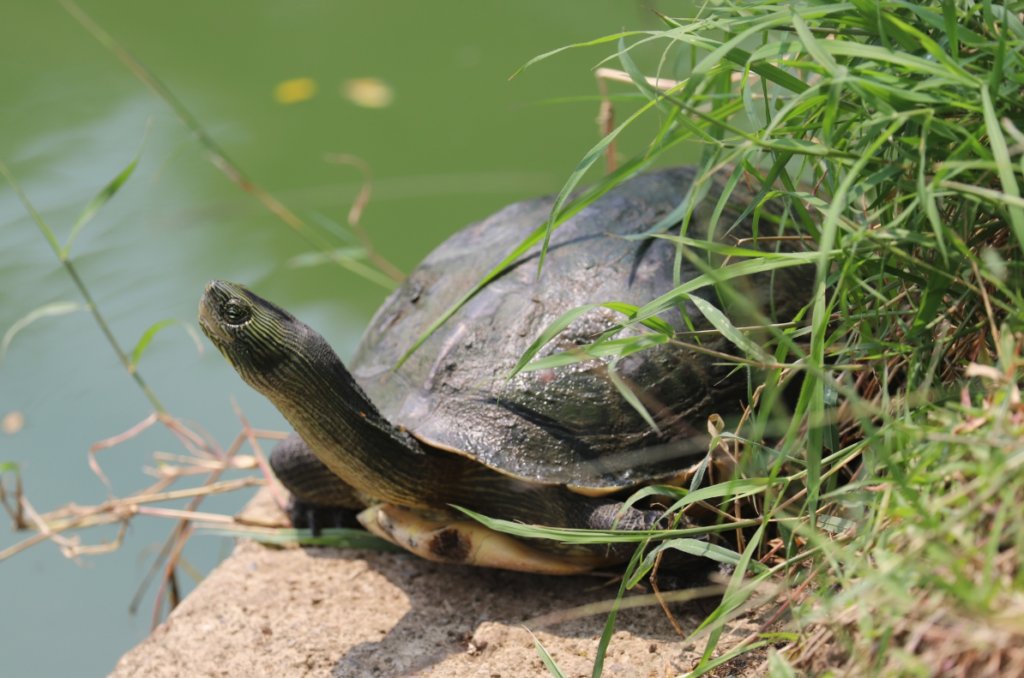
The Ocadia sinensis turtle (Mauremys sinensis), also known as the Chinese stripe-necked turtle, is a species of aquatic turtle found in East Asia. This turtle is highly valued as a pet and is one of the most popular species in the exotic pet trade. In this article, we will explore more about the Ocadia turtle and how to properly care for it.
Distribution
The Ocadia sinensis turtle is native to East Asia and is found in several fragmented areas, including southern China, Taiwan, and northern Vietnam. In China, the turtle is found in several provinces, including Fujian, Hangzhou, Suzhou, Canton, Shanghai, and Hainan. In Taiwan, it is found in the northern and central parts of the island, in areas such as Yushan National Park and Kenting National Park.
The distribution of the Ocadia sinensis turtle has been affected by habitat loss and fragmentation due to human activity, such as urbanization and agriculture. This turtle has also been subject to the exotic pet trade, which has led to a decline in some populations.
Characteristics
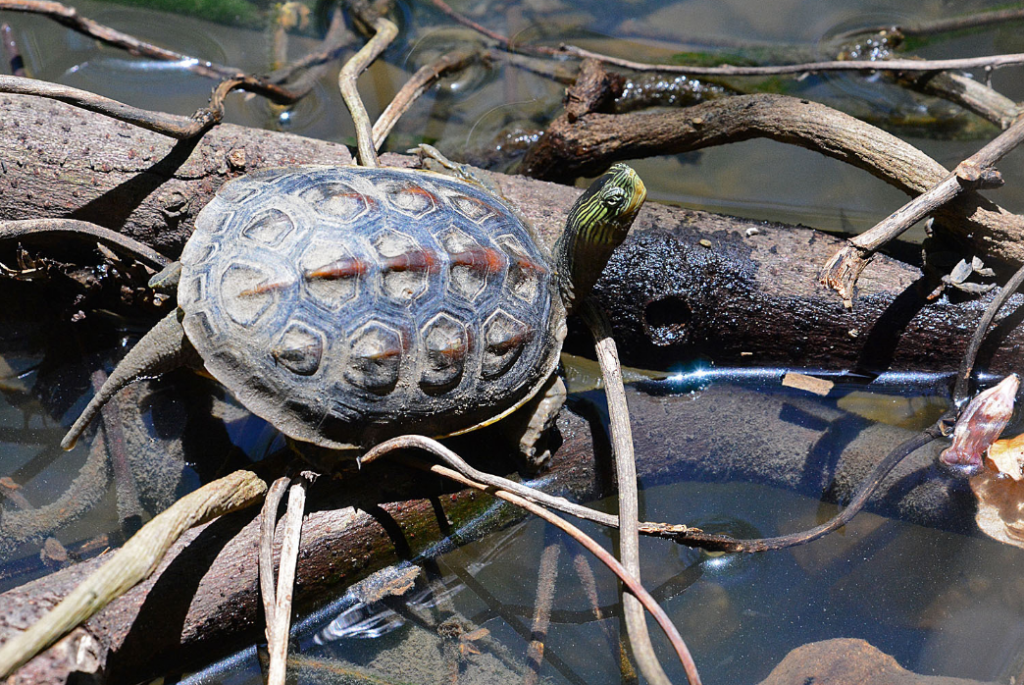
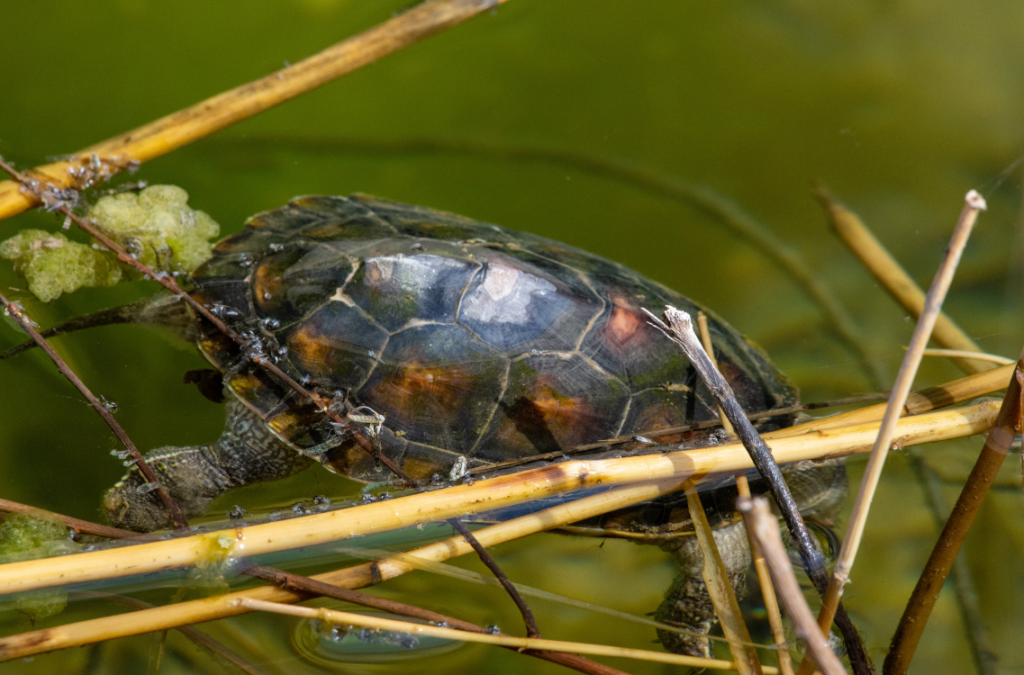
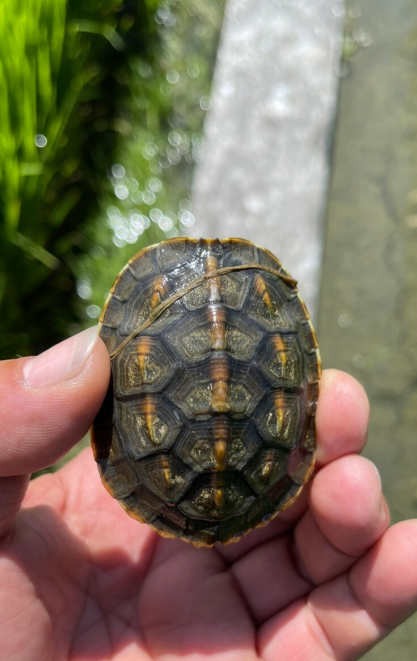
The general color of the Ocadia turtle is reddish-brown to black, with yellow sutures in juveniles and sometimes yellow to orange stripes on the keels that disappear over time.
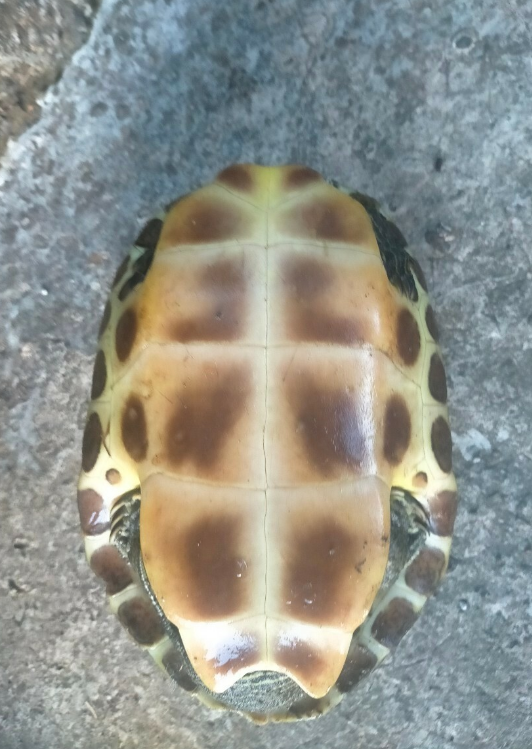
The plastron is large with two well-developed bridges and an anal notch. The bridges and the underside of the marginals are yellow with a large square brown to black spot on each scute.
The head is narrow, olive-colored on top and more yellow underneath. The sides of the head are adorned with fine yellow and black stripes from the snout to the base of the neck, which gives the species its common name. The snout is slightly pointed and the iris is pale green. The upper jaw is curved and white to cream in color.
The legs are olive-colored with multiple fine yellow lines, although less tightly packed than on the neck. The front legs have large scales on the upper side, but the rest of the legs are covered with small flat scales.
Hatchlings have three very pronounced keels, which disappear over time.
Habits
The Ocadia sinensis turtle inhabits slow-moving watercourses, ponds, wetlands, and canals with muddy or silty bottoms. It tends to spend much of its time regulating its body temperature.
When it feels threatened and is captured, it can expel a strong jet of cloacal liquid.
How long does the Ocadia sinensis turtle live?
Turtle species can live around 40 years on average, but their lifespan can vary depending on captive conditions. In the wild, they usually live less due to risks such as predators, food scarcity, and adverse conditions.
How big does the Ocadia sinensis turtle get?
The Ocadia sinensis turtle is a freshwater turtle that can grow up to 24 centimeters in length.
Care of the Ocadia sinensis turtle
Ocadia sinensis turtles are easy to care for, but it is important to ensure their habitat is suitable. Turtles need a place to swim and bask, so it is important to provide a large aquarium with a ramp so they can get out of the water.
Filter
The aquarium water must be kept clean, and for this we need to have filtered water. We recommend having at least a waterfall filter in the aquaterrarium; ideally, an external filter, which has greater capacity for filter media. We have a guide to help you choose the best turtle tank filter to suit your needs.
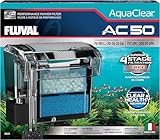
- El sistema de filtración de AquaClear utiliza todo el potencial del filtro
- Conserva las bacterias beneficiosas
- Promueve la recirculación del agua y permite un fácil intercambio de sus componentes
- Absorbe los malos olores
Heater
The temperature should be around 24 to 27 degrees Celsius, especially when the specimen is young (the first 2-3 years of life). For this, you should have a water heater for turtles.

- Temperatura Ajustable: la perilla de control de temperatura es fácil de controlar la temperatura, y rango de control de temperatura es de 18 ° C a 34 ° C, siempre se mantiene la temperatura ideal para la vida acuática
- Material a prueba de explosiones: hecho de tubo de vidrio de cuarzo, seguridad a prueba de explosiones y duradero
- Indicador LED: según el color del LED, le permite saber el estado de calefacción rápidamente
- Resistente al agua y estable: diseño completamente sumergido (excepto controlador), puede instalar el calentador horizontal o verticalmente con 2 potentes ventosas
- Adecuado para acuarios de agua dulce o marina de 40L a 80L
Lamp
It is also important to provide a heat source and UVB light to help with digestion and healthy growth of the turtle. The Ocadia sinensis should get about 4 hours of sunlight.

- Ideal para todos los reptiles tropicales y subtropicales
- Niveles óptimos de UVB
- Efectivo de hasta 40 cm (15")
- Suministra los necesarios rayos UVB para el metabolismo óptimo del calcio
- Los rayos UVA estimulan el apetito, actividad y comportamiento reproductivo

Ramp
There should be an area outside the bathing area in the turtle tank, so there must be access to an exterior area where it can dry off.

What does the Ocadia sinensis turtle eat?
It is omnivorous, but prefers to feed on aquatic plants and fallen fruits in the water in the wild.
In captivity, they can be given a varied diet that includes different types of vegetables (wild plants, greens, fruits, floating plants) and small animals such as fish, slugs, snails, worms, among others. They also usually accept the various types of commercial feeds available on the market. You should provide a varied diet to ensure excellent health, as with all turtles.
We recommend Sera pellets as food for their diet.

- sera Raffy P es el alimento complementario, que se compone de granulado flotante, cuidadosamente elaborado, para reptiles carnívoros, como las tortugas acuáticas. La composición equilibrada y sabrosa, con ingredientes animales y vegetales, que también son necesarios, se caracteriza por sus proteínas fácilmente utilizables, hidratos de carbono de fácil digestión y su alto contenido de ácidos grasos Omega. Satisface, de manera segura, las necesidades básicas de los reptiles carnívoros. Favorece su desarrollo sano y la vitalidad.
How should I feed the turtle?
For young turtles, it is recommended to feed them once a day with an amount they can eat in one or two minutes, avoiding overfeeding. It is advisable to leave one fasting day per week. For adult turtles, it is suggested to feed them two or three times a week.
Reproduction
The egg-laying season occurs between April and June, with an average of three fairly large eggs (2.5 x 4 cm).
Conservation status
The population of this turtle species is being threatened due to human activity, particularly by capture for culinary purposes. This has led to a decline in its population and its inclusion on endangered species lists. The destruction of its natural habitat also contributes to this problem, especially due to urbanization and the expansion of agriculture in the areas where it lives.
This species is included in Appendix III of CITES.
Other aquatic turtles
There are other species of aquatic turtles besides the Ocadia sinensis turtle. Some of these are the red-eared slider, the Florida turtle, the painted turtle, and the snapping turtle. These turtles are popular as pets and require similar care. It should be noted that some of these species are endangered due to habitat loss and capture for the pet trade.
Leave a Reply