
Russian Tortoise
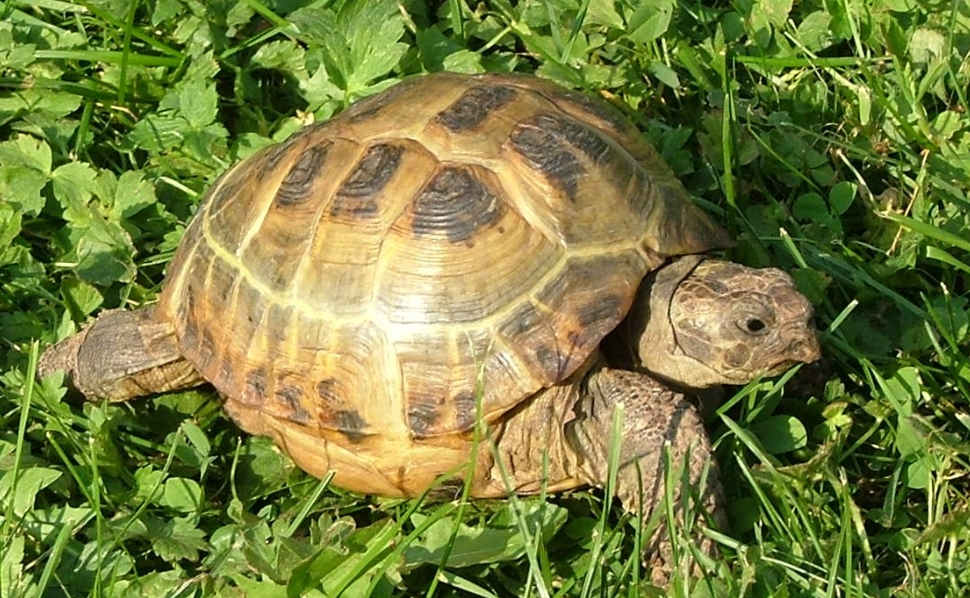
The Russian tortoise (Testudo horsfieldii) is a species of terrestrial tortoise found in the steppes of Eurasia. The Russian tortoise, also known as the steppe tortoise or Afghan tortoise, is a species of tortoise that inhabits the arid regions of Central Asia and Eastern Europe. It is a small and hardy tortoise that can live up to 50 years. Russian tortoises are herbivores and feed mainly on plants. They can hibernate for several months each year and are a popular pet worldwide due to their size and ease of care. The Russian tortoise is endangered due to poaching and the loss of its natural habitat. In some places, measures must be taken to protect this species and its habitat.
Distribution of the Russian tortoise
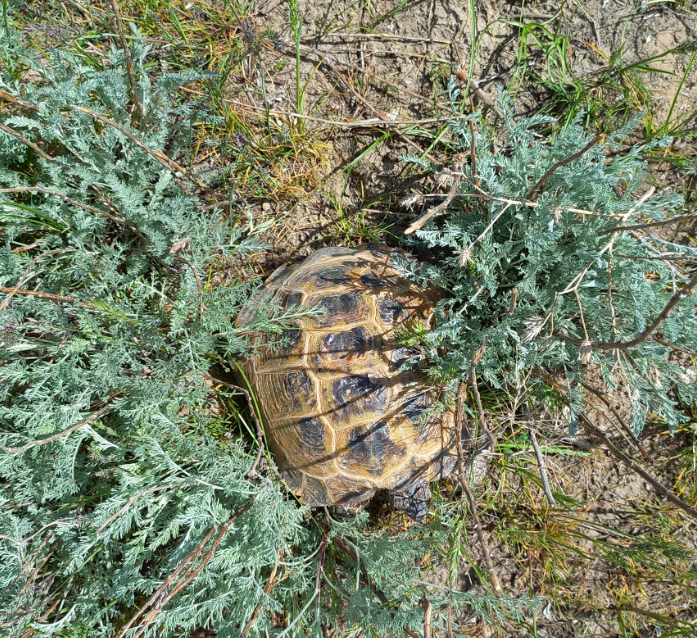
In the wild, Russian tortoises are found in a wide variety of habitats, from forests to grasslands and deserts. They are most common in the steppes of Central Asia, where they can be found in large numbers. Their range includes the southern steppes of Russia, Afghanistan, China, Pakistan, and various Central Asian republics of the former USSR such as Kazakhstan, Turkmenistan, and Uzbekistan.
Characteristics of the Russian tortoise
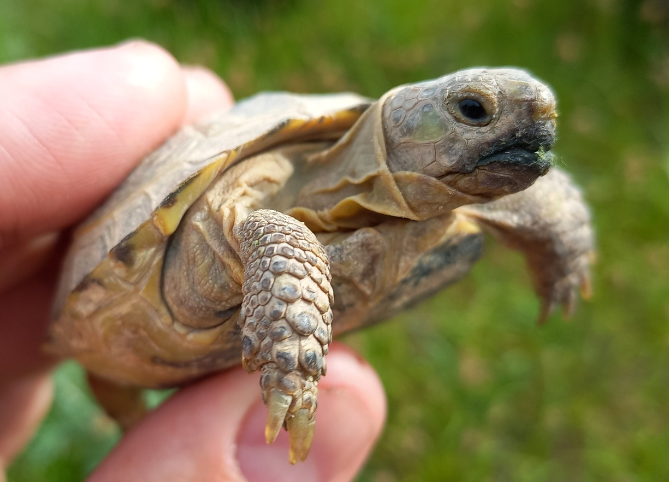
The head of the Russian tortoise is small and rounded, and the legs are short and sturdy. The legs have strong claws that allow them to dig and move through difficult terrain. The shell of the Russian tortoise is smooth and rounded, and is made up of several bony plates. In most individuals, the shell is yellow or dark brown in color.
Tortoises have excellent eyesight, can recognize shapes and colors, and even people. They also have a very precise sense of orientation; if they move a few meters from their territory, they can return in a short time. They are very sensitive to ground vibrations and their sense of smell is well developed, which allows them to search for food and mates.
Habits of the Russian tortoise
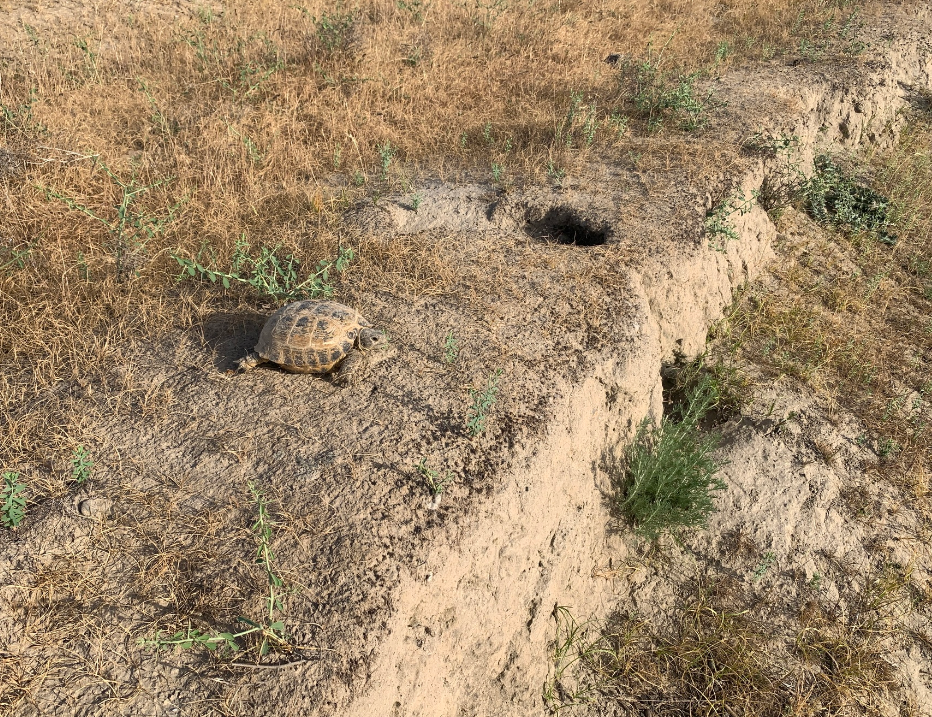
Unlike many other tortoises, Russian tortoises undergo hibernation during the coldest months and hide underground, digging their own burrows during the months of October and emerging from them in February or March depending on the temperatures. They are terrestrial animals and spend most of their time on the ground. They are diurnal animals, which means they are more active during the day than at night. During the warmer months, Russian tortoises can hibernate for long periods of time. Tortoises need sunlight to produce vitamin D, and their bodies need warmth to digest food. If the ambient temperature is too high, tortoises may seek shelter to cool down and become active again when the temperature drops.
How long does a Russian tortoise live?
They have a lifespan of up to 100 years in captivity, although this can vary widely.
Russian tortoise size
Russian tortoises are not very large as they can only grow up to about 20 cm long. They are very famous due to their small size. Females are larger than males, with only the females reaching the 20 cm length.
What does the Russian tortoise eat?
Russian tortoises are herbivores and feed on a variety of plants and grasses. In captivity, they should be provided with a balanced diet that includes a variety of vegetables, fruits (not in excess), and other nutrient-rich foods. It is important that they are wild plants, as otherwise they may contain too much protein.
Enclosure in captivity
Caring for the Russian tortoise begins with providing a proper enclosure. For Russian tortoises to feel comfortable, it is recommended to create a safe outdoor enclosure that protects them from predators and humans. These tortoises are excellent climbers and diggers, so to ensure their habitat is not dangerous, we must make sure there are no escape routes. During the warmer months, their habitat should be maintained and cleaned regularly. An indoor space of 100cm x 100cm is suitable for a tortoise of this size, although it is better if they have a larger space. Here is a post with accessories for tortoises.
Reproduction of the Russian tortoise
After emerging from hibernation, male Russian tortoises begin their courtship ritual, following the females and biting or bumping their shells. During mating, the male climbs onto the female, extends the penis contained in the tail, and emits the only usual sound in these reptiles. Females can take up to four years to conceive, as they have the ability to store sperm in an organ of the oviduct.
These tortoises can live for many years, and many individuals have been recorded to surpass one hundred years. Sexual maturity is reached when they are about ten years old and have become an adult Russian tortoise. Testudo species are oviparous, and females lay eggs in holes they dig in the ground with their hind legs. Normally, females lay eggs three to four times a year between May and June, with the number of eggs depending on the size of the individual.
The ambient temperature during egg incubation determines the sex of the hatchlings: if the temperature is low, more males will be born, while if it is high, more females will be born. If the temperature is too low or too high, it can cause malformations or the death of the embryos. When the hatchlings are ready to leave the egg, they break the shell with a bump on their nose, and hatching lasts about two days. Russian tortoises are related to Mediterranean tortoises and can produce hybrids if their eggs are fertilized between species.
Conservation status of the Russian tortoise
In the wild, Russian tortoises face many threats, including habitat loss and poaching for their meat and shells. Due to these threats, the Russian tortoise is endangered in some parts of its range.
Indiscriminate capture for the pet trade in the European Union and the United States represents a serious threat to the species, while local capture for consumption is rare because the species is common in countries of Islamic faith, where the Quran prohibits its consumption as food by considering reptiles to be unclean animals.
The capture of wild specimens is regulated and the trade of tortoises in captivity is subject to rules and regulations.
Other types of land tortoises
There are several species of terrestrial tortoises around the world, each with distinctive characteristics:
Argentine Tortoise
Indian Star Tortoise
Red-Footed Tortoise
Leopard Tortoise
Greek Tortoise
Galápagos Tortoise