
Turtle Hibernation
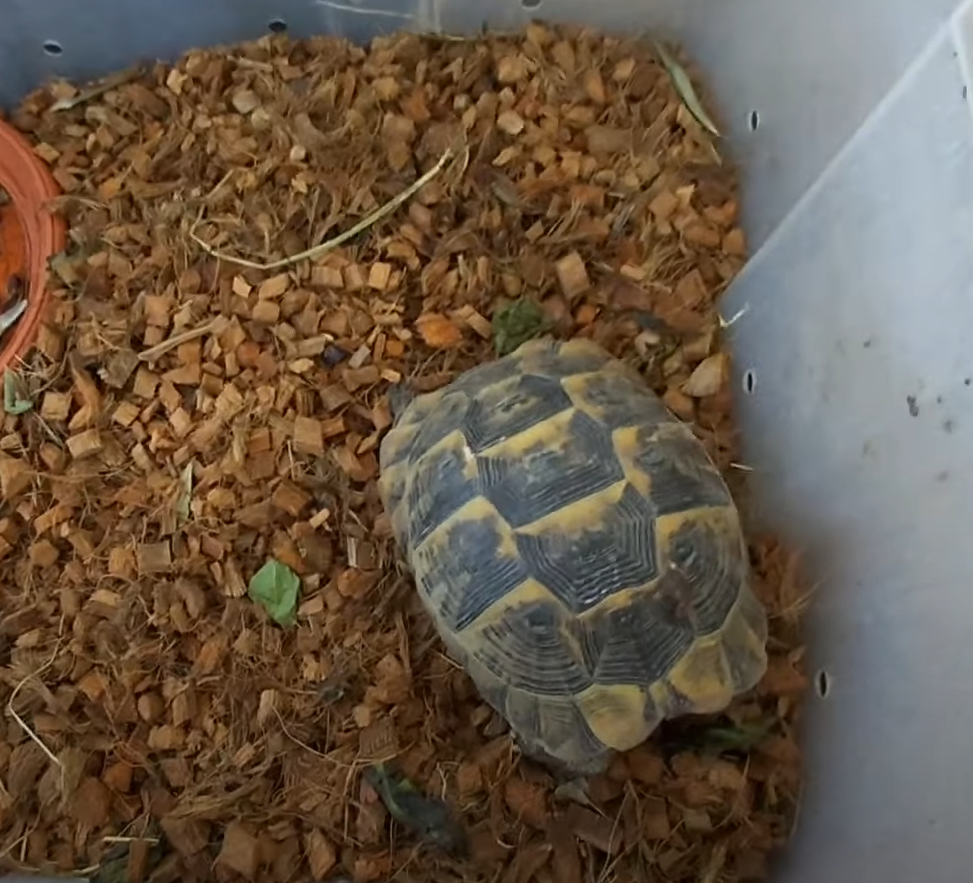
Hibernation is a natural process that many animals, such as turtles, undergo to survive adverse weather conditions by maintaining minimal activity. In the case of land turtles and aquatic turtles, this process is known as winter hibernation, and it is essential for their survival during the coldest months of the year. In this article, we will discuss turtle hibernation and how it takes place.
Turtles are cold-blooded animals, which means their body temperature is determined by the temperature of their environment. When temperatures drop, turtles begin to prepare for hibernation. If turtles hibernate, they can survive without eating or drinking for several months.
Phases of turtle hibernation
Below we look at the different phases of turtle hibernation:
Preparation
During the preparation for hibernation, turtles begin to reduce their physical activity and decrease their food intake. This allows them to accumulate enough energy to survive during hibernation. In addition, turtles start looking for shelter in protected and safe places, such as burrows or under dry leaves.
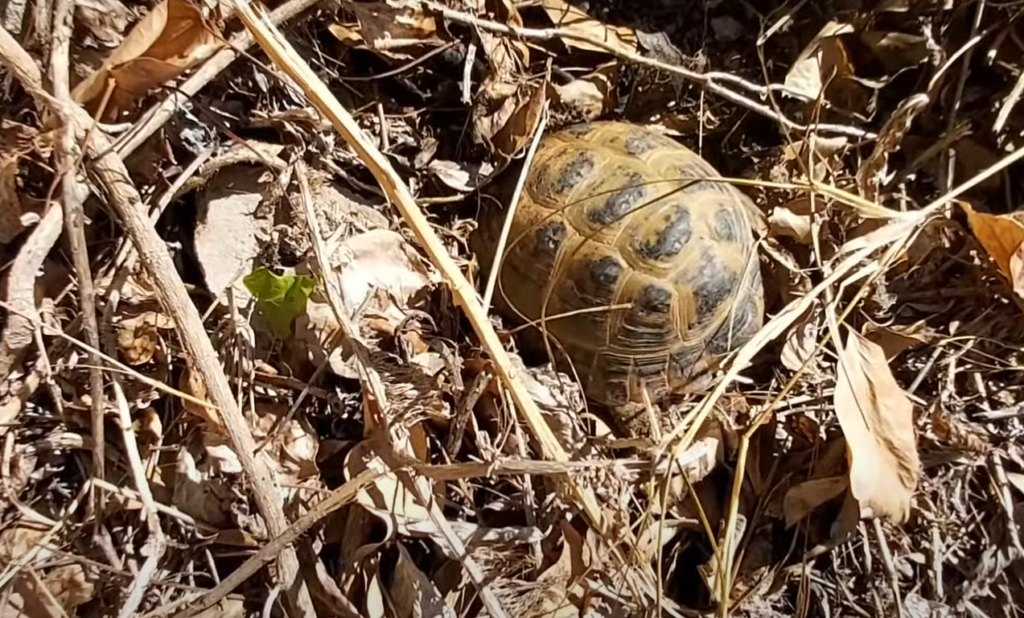
In captivity, you should look for the right place so your pet turtle can carry out this process safely. If you have aquatic turtles outdoors, they can hibernate outside, but it is recommended to find a suitable spot in a part of the pond where they can shelter during hibernation, making sure the water does not freeze. On the other hand, if your turtle lives inside your home, look for a cool place in your house or any room with an appropriate ambient temperature, around 10 degrees Celsius. It is advisable to weigh the turtle.
Hibernation
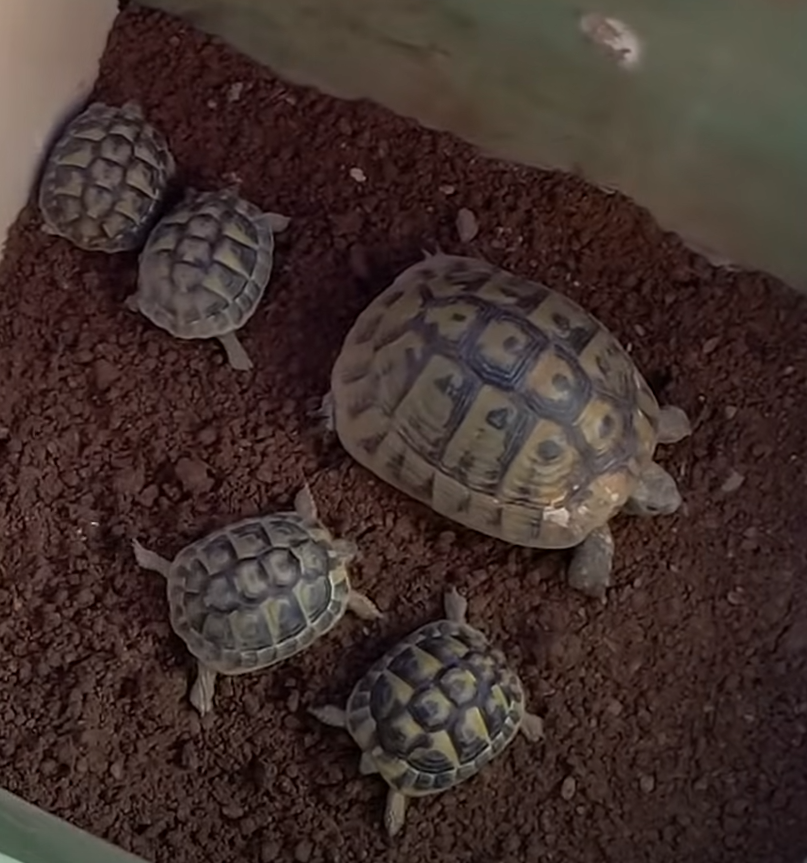
Once they have found their shelter, turtles begin to hibernate. During this process, their metabolism decreases and their biological activity slows down. This allows them to save energy and reduce their oxygen consumption. During hibernation, turtles also lower their heart and respiratory rates, which allows them to survive with very little oxygen.
Normal weight ranges lost by a turtle during hibernation:
- A 0.5 kg turtle that loses 5 g per month
- A 1 kg turtle that loses 10 g per month
- A 1.5 kg turtle that loses 15 g per month
- A 2 kg turtle that loses 20 g per month
- A 2.5 kg turtle that loses 25 g per month
Waking up from the process
Turtles naturally wake up from hibernation when temperatures begin to rise in the spring, which triggers a biological process in the turtle's body that brings it out of hibernation. At this time, turtles start moving slowly, looking for a place to bask in the sun and raise their body temperature, which allows them to reactivate their metabolic and digestive functions.
Turtles should not be woken up abruptly from hibernation, as this could be harmful to their health. If you need to wake a hibernating turtle, it is best to do so gradually, allowing the turtle to wake up naturally and making sure it has access to a heat source to raise its body temperature.
In the case of land turtles, they should be hydrated with water or foods with high water content to help flush out toxins accumulated in the kidneys during hibernation and to reactivate the digestive system. You can offer your land turtle a diet that includes lamb's lettuce, tomato, and lettuce to help maintain hydration, along with escarole sprinkled with fiber, calcium, and vitamins to ensure it is receiving the essential nutrients it needs.
Turtle hibernation temperature
One option for turtle hibernation is both indoors and outdoors, although it is safer to do it indoors, where the environment can be controlled. An ideal place should maintain a constant temperature between 2-10ºC throughout the winter, such as basements, garages, porches, or cellars.
It is essential to have a thermometer to monitor the temperature, as temperatures above 16ºC are not suitable to induce hibernation, and temperatures below 2ºC can cause freezing. The optimal temperature is around 5ºC, cold enough to conserve the turtle's energy, but not so cold as to put it in danger.
In which month do land turtles hibernate?
This process begins at the end of autumn (November), when temperatures start to drop and the days get shorter, until the beginning of spring (March) when temperatures begin to rise and the days get longer. Turtle hibernation usually lasts between 2 and 5 months.
The exact moment when turtles begin to hibernate can vary depending on the species and the climatic conditions of the place where the turtle is located. Turtles generally begin to hibernate before temperatures reach dangerously low levels for their survival and when water and food become scarce.
In which month do aquatic turtles hibernate
The hibernation of aquatic turtles, as with land turtles, allows them to survive during the coldest months of the year. Aquatic turtles hibernate during the winter months.
It is crucial to properly prepare the hibernation environment for aquatic turtles. This involves providing a suitable place where they can rest undisturbed, such as a cave or an artificial shelter in the aquarium. It is also important to maintain a constant temperature and avoid any sudden changes that could interrupt their hibernation.
Once aquatic turtles have completed their hibernation period, it is essential to provide them with a gradual transition back to normal activity. This means gradually increasing the water temperature and offering them nutritious foods to help them regain the energy lost during hibernation. We must pay attention to their behavior and make sure they are adapting well to active life again.
Which turtles hibernate?
Many species of turtles hibernate as part of their annual life cycle. Normally, land turtles and some species of aquatic turtles are the ones that hibernate, although not all species undergo this process. Tropical aquatic turtles usually do not hibernate, and the farther from the equator, the more likely they are to hibernate. Below we mention examples of turtles that hibernate:
Among the land turtles that hibernate are the spur-thighed tortoise, Russian tortoise, Mediterranean tortoise, and the box turtle.
Aquatic turtles that hibernate include the red-eared slider, the spotted turtle, and the wood turtle.
It should be noted that the habit of hibernating can vary even among individuals of the same species, and factors such as age, sex, and environmental conditions can influence whether a turtle decides to hibernate or not.
How do I know if my turtle is hibernating?
How to prevent hibernation in turtles?
Turtle hibernation is a delicate process that requires certain conditions to be successful. Turtles must have access to a safe and protected shelter during hibernation. It is essential that temperatures are not too low or too high, as this can negatively affect the health of the turtles.
If you are considering keeping a turtle as a pet, it is important to understand the specific requirements they need to hibernate safely and healthily. It is advisable to seek information and advice from experts before starting to hibernate your turtle.

Contenido relacionado