
Respiratory Problems in Turtles
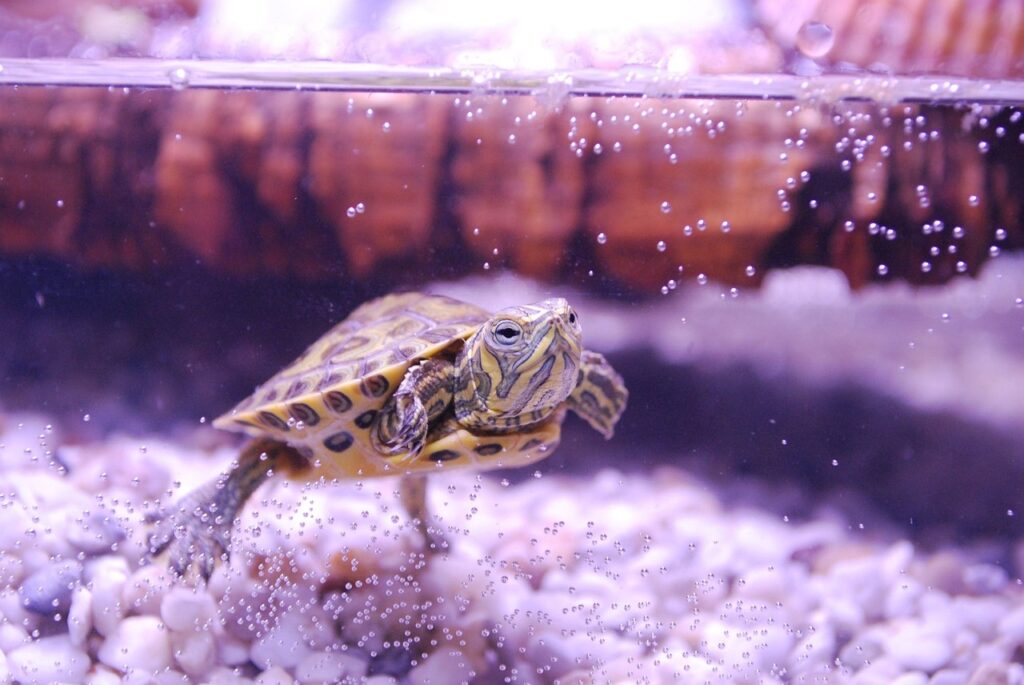
Turtles are fascinating animals and popular pets around the world, but like any other animal, they can suffer from turtle diseases. One of the most common conditions in turtles is respiratory problems, which are often the cause of death for many turtle species. In this post, we will explore more about respiratory infections in turtles, their symptoms and treatment, and how to prevent them.
What are respiratory problems in turtles?
Respiratory problems in turtles are caused by bacteria, viruses, or fungi that infect the turtle's upper respiratory tract. This leads to an infection that can affect any turtle, regardless of age, species, or habitat.
Turtles that live in cold or humid environments are more prone to contracting respiratory infections. Drafts are the main cause of pneumonia in turtles.
If a baby or juvenile turtle has any respiratory problem, it is likely to have less chance of overcoming the illness. That is why it is recommended that when turtles are newborns and juveniles, they have a heater and do not hibernate. The aquarium water should be kept at a constant temperature between 25ºC and 28ºC.
Respiratory problems are the most likely to occur among water turtle diseases.

- Fabricado en vidrio resistente a los golpes
- Diseño especialmente delgado con protección contra sobrecalentamiento
- Indicador de estado bien visible que muestra el estado de funcionamiento en 3 colores: verde (temperatura ok), rojo (calefacción), morado (protección contra sobrecalentamiento)
- El rango de ajuste del calentador se encuentra entre 18 y 32 °C
- Con cable extralargo de 1,8 metros

Symptoms of respiratory problems in turtles
The symptoms of respiratory problems in turtles can vary depending on the type of infection and its severity. The most common symptoms include:
- Heavy breathing and gasping: The turtle breathes with its mouth open and more frequently than normal.
- Nasal and eye discharge: Mucus and nasal secretions may appear in the specimen. This is caused because the turtle is dehydrated and therefore cannot eliminate the mucus.
- Loss of appetite. We may notice our turtle is not hungry.
- Lethargy and weakness. The turtle shows less activity than usual and has little strength to get to the dry area. Do not confuse this with the hibernation season.
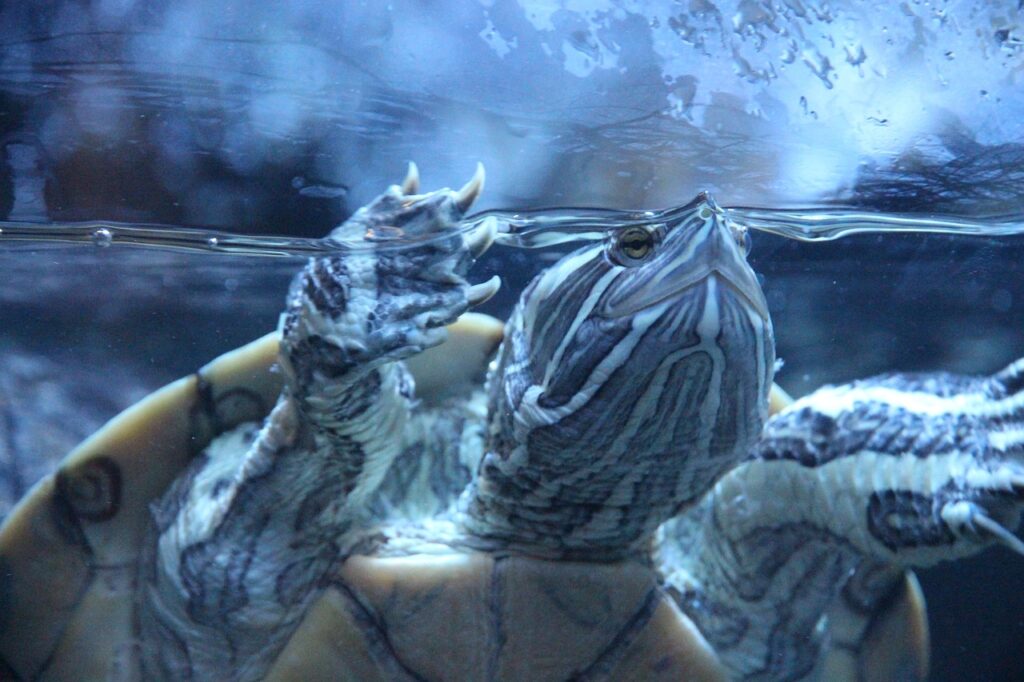
Treatment of respiratory infections in turtles
If you suspect that a turtle has a respiratory infection, you should seek veterinary attention immediately. The treatment depends on the type and severity of the infection. In most cases, antibiotics are prescribed and it is recommended to keep the turtle in a warm and dry environment to help with recovery. It may be beneficial to increase the water or terrarium temperature, as being cold-blooded animals, this will improve their immune system.
In severe cases, the turtle may need to be hospitalized and receive supplemental oxygen. You should follow the veterinarian's instructions and administer the medications as prescribed, which are normally prescribed by the veterinary professional.
The veterinarian is responsible for giving the correct diagnosis, as they have the training and necessary materials to assess our turtle. We should not give our pet any type of medication without authorization from professionals.
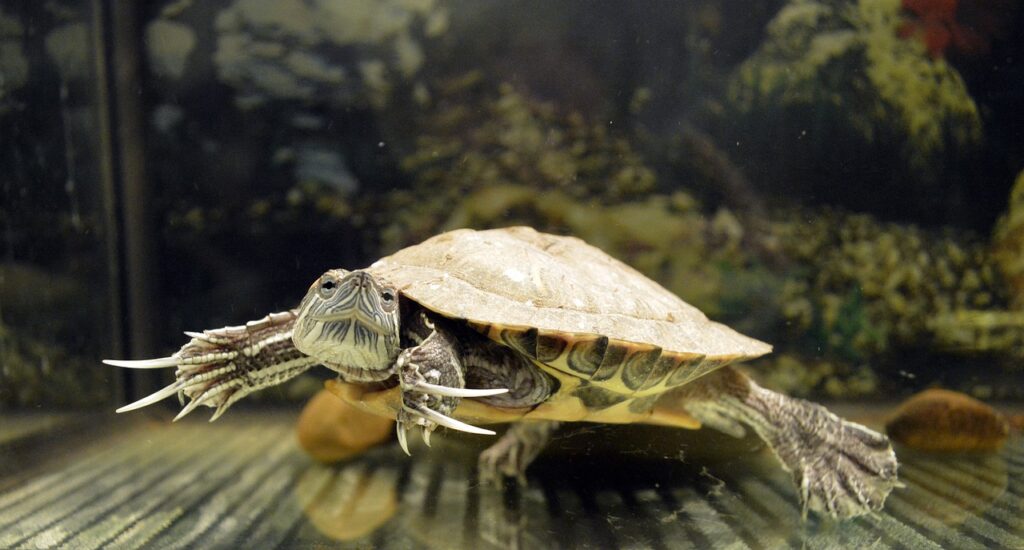
For turtles that are not eating on their own, caution is needed before trying to feed a very weak reptile. First, it is necessary to correct its hydration and the ambient temperature. If the turtle is too cold or dehydrated, it will not be able to properly digest the food provided, which can result in an intestinal blockage and worsen its health, as it cannot digest the food.
Prevention of respiratory infections in turtles
Prevention is key to avoiding respiratory infections in turtles. Below are some measures that can help prevent their appearance:
- Keep the turtle's habitat clean and dry. It is important to regularly clean the water and bedding to prevent the buildup of bacteria.
- Provide an appropriate environment for the turtle. Turtles need a warm and dry environment to stay healthy.
- Avoid stress. Stressed turtles are more likely to contract infections. It is recommended to avoid excessive handling and provide them with adequate space for their size and species.
- Avoid cold drafts in the dry area. If there is a lot of ventilation or cold drafts near the dry area because it is near a window, the area should be covered to block the wind and prevent the air from cooling the areas where the turtle lives.
- Provide a source of UVB and UVA radiation so the turtle can develop properly and absorb calcium from food.

- Ideal para todo reptil habitante de desierto
- Alta producción de UVB
- Elevada conversión de D3
- Efectiva hasta 50 cm (20")
- Suministra los rayos UVB necesarios para el metabolismo óptimo del calcio
How does a turtle breathe?
Turtles breathe using lungs, just like humans and many other land animals. They do not have a complex respiratory system that allows them to breathe constantly and effortlessly. They have different breathing patterns.
Sea turtles can hold their breath for long periods underwater, thanks to their ability to store oxygen in their lungs and in the blood vessels of their muscles.
Freshwater aquatic turtle species need to come to the water's surface to breathe every few minutes.
Land turtles usually breathe more constantly but at a slower rate than aquatic turtles. Some species of land turtles have adaptations that allow them to obtain oxygen more efficiently, such as larger lungs in relation to their body size. This gives them greater respiratory capacity.
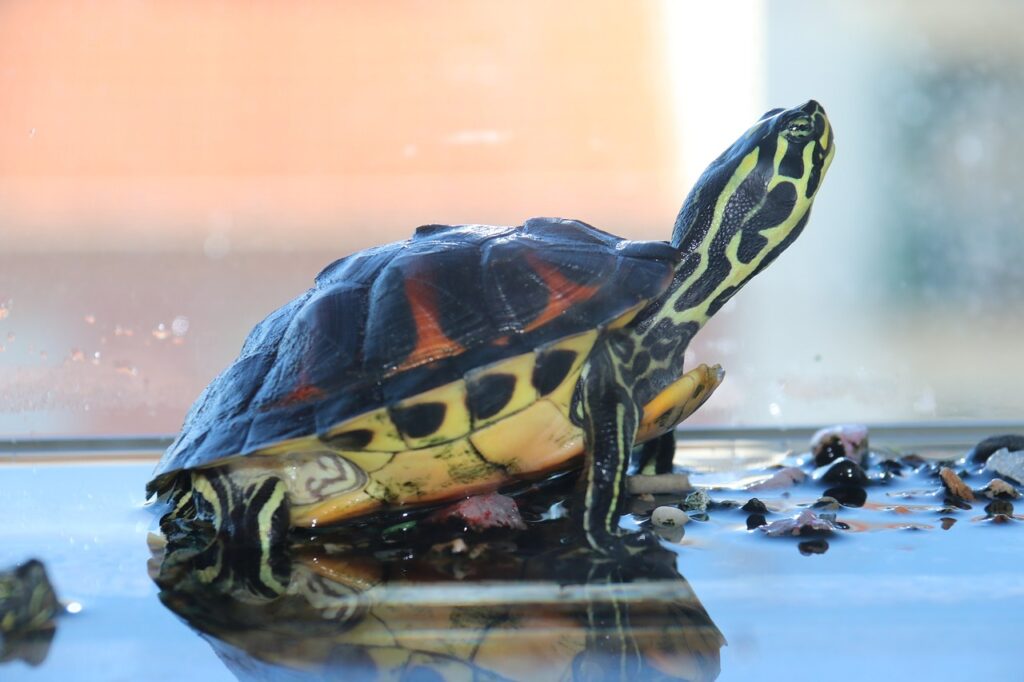
Respiratory infections in turtles are common and can be serious if not treated properly. If you suspect that a turtle has a respiratory infection, you should seek veterinary attention immediately. Prevention is key to avoiding the appearance of these infections.
Contenido relacionado