
Aquatic Turtles
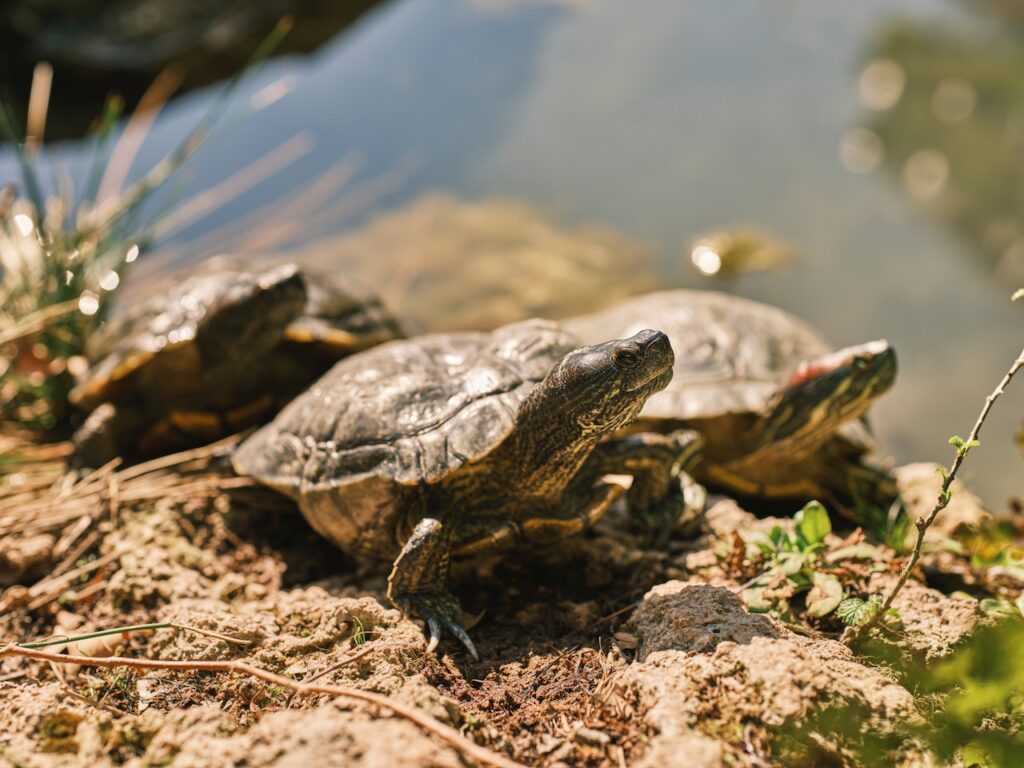
Water turtles live in aquatic environments such as rivers, lakes, streams, and oceans. Some species can live in either fresh or salt water. Freshwater turtles are a type of cold-blooded reptile commonly kept as easy-to-care-for pets in our homes.
The freshwater turtle feeds in the wild on a variety of foods, including aquatic plants, fish, crustaceans, and other aquatic animals. Water turtles are solitary animals and generally spend most of their time submerged. However, they can also come to the surface to bask in the sun and breathe. They are similar to saltwater turtles but should not be confused.
| Popular Species | Scientific Name | Adult Size | Difficulty Level |
|---|---|---|---|
| Red-Eared Slider | Trachemys scripta elegans | 20 - 30 cm | Beginner (Invasive Species*) |
| False Map Turtle | Graptemys pseudogeographica | 15 - 25 cm | Beginner |
| Cumberland Slider | Trachemys scripta troostii | 18 - 25 cm | Beginner |
| Alligator Snapping Turtle | Chelydra serpentina | Up to 45 cm | Experts Only (Aggressive) |
*Note: The possession and trade of the Red-Eared Slider is prohibited in Spain and other countries as it is an invasive species.
In this article, we explain all the information about aquatic turtles. This vertebrate animal, like land turtles, is also cold-blooded.
Essential Care Guide for Water Turtles
What does a water turtle need? Water turtles need a turtle tank, aquaterrarium, or paludarium with a swimming area for the turtle and a dry area.
How to care for water turtles at home? We must provide proper care to maintain good living conditions for aquatic turtles:
Feeding the water turtle
What each water turtle can eat depends on its species, but we will show which turtle foods are generally compatible with all water turtle species. As we mentioned in the characteristics, water turtles are omnivores and eat both plants and meat. When they are small water turtles (babies under 2 years old), it is best to feed them pellets or sticks bought at pet stores. These pellets are the ideal dietary supplement for our baby turtles. If you can get different types from a recommended brand to vary their diet, that would be ideal.
As vegetables, water turtles can eat lettuce leaves, spinach, Swiss chard, kale, broccoli, carrots, zucchini, among others. These foods are rich in nutrients and fiber.
As fruit, water turtles can also eat fruits such as apples, bananas, melon, strawberries, among others. However, they should be given in moderation, as fruits contain sugar.
As meat, we can give them raw chicken or some type of low-fat meat, small fish, snails, earthworms, among others.
Do not give dried shrimp frequently, as turtles need a balanced diet and these shrimp are more like a treat. If you give them as the only food, it can cause diseases due to lack of vitamins.
Daily feeding
Feed daily. Feeding a water turtle properly ensures its health and well-being. Here are some recommendations for feeding a water turtle:
- Provide a balanced diet: Water turtles need a balanced diet that includes a combination of animal and plant-based foods. Some good options include pellet food for water turtles, frozen shrimp, mosquito larvae, lettuce leaves, spinach, and other vegetables.
- Avoid processed foods: Processed foods, such as fish snacks or turtle biscuits, do not provide an adequate diet and can be harmful to the turtle's health.
- Offer a variety of foods: Offering a variety of foods increases the likelihood that the turtle will receive a balanced diet and ensures it does not get bored of eating the same foods all the time.
- Offer the right amount of food: Do not overfeed the turtle. A moderate amount of food will provide enough nutrients without increasing the risk of obesity or diet-related diseases.
- Feed at the same time every day: Water turtles are routine animals and benefit from eating at the same time every day.
It is important to note that nutritional needs may vary depending on the species, age, and size of the turtle, so it is advisable to consult a veterinarian or reptile specialist for personalized recommendations.
What food should I buy?

- Alimento premium equilibrado y rico en nutrientes para tortugas acuáticas
- Caparazones sanos y huesos fuertes gracias a una óptima proporción calcio-fósforo
- Los sticks con forma de gusano permiten una alimentación adaptada a la especie
- La fórmula, elaborada con ingredientes naturales, está desarrollada para reducir los olores desagradables del tanque
- Alta digestibilidad para el agua limpia


- Mischfuttermittel für omnivore Wasserschildkröten
- Innovatives 3-Pellet-System: Carnivor - Pflanzlich - Calcium
- Mischung entspricht den Bedürfnissen adulter Wasserschildkröten
- Erhöhte pflanzliche Nahrungsbestandteile wie in der Natur
- Geeignet als Grundfutter
Water changes
How often should you change the water for turtles? Water changes are cyclical and vary depending on the power of your filter. The frequency with which you should change the water in a turtle's habitat depends on several factors, including the type of turtle, the size of the turtle, the size of the tank or aquarium, and the filtration system you are using.
It is recommended to change at least 25-50% of the water each week to keep it clean and healthy.
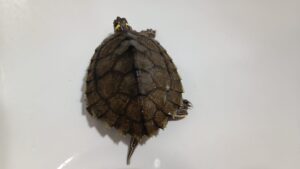
Water turtle during aquaterrarium maintenance
Water conditioning
Dechlorinate tap water. This involves completely removing chlorine from the water before adding it to the aquaterrarium, using a water conditioner. Tap water for turtles needs to be dechlorinated to remove chemicals, chlorine, and other contaminants that can damage the skin, eyes, and respiratory system of turtles, helping to maintain a healthy environment for them.
Aquaterrarium cleaning
Aquaterrarium cleaning. To clean the turtle tank, remove the turtles and other animals from the aquaterrarium and place them in a safe, temporary container. It is recommended to siphon (vacuum dirt from the bottom) with a hose or aquarium siphon at least once every 15 days.
When you acquire or adopt a water turtle, you must be aware of the responsibility of maintaining its habitat and needs for years, as these pets will be with us for many years thanks to their long lifespan.
To keep our aquatic turtle in optimal conditions, we need to have a series of turtle accessories in our turtle tank or aquaterrarium:
Turtle tank for water turtles
The choice of a turtle tank for semi-aquatic turtles varies depending on the size the turtle can reach, as it is the home for water turtles. The appropriate capacity of the aquarium for water turtles depends on the size and species of the turtle, as well as the number of turtles to be kept in the enclosure. In general, it is recommended to have a tank large enough for the turtles to move and swim freely. Here are some general recommendations for the capacity of a water turtle tank:
- Small turtles: For small water turtles, such as the spotted turtle or river turtle, an aquaterrarium of at least 50 to 100 liters is recommended.
- Medium turtles: For medium-sized water turtles, such as the red-eared slider or map turtle, an aquaterrarium of at least 100 to 150 liters is recommended.
- Large turtles: For large water turtles, such as the alligator snapping turtle, an aquaterrarium of at least 150 to 300 liters or more is recommended.
Dry area
Land area where the turtle comes out to dry off and metabolize calcium and stay in optimal condition. This area provides turtles with a place to rest and bask in the sun, allowing them to regulate their body temperature. The dry area should be designed so that the turtle can access it easily and it is warm enough for the turtle to bask.

Filter
A turtle filter is a device used to keep the water clean and healthy in the turtle's habitat. These filters help remove waste, uneaten food, and other particles from the water, reducing the risk of disease and preventing bad odors. It is necessary for water maintenance and to improve water quality. This way, you don't need to change the water continuously. It can be an internal, external, or waterfall filter. To choose the best filter, you can follow this guide to buy a turtle filter. When considering a purchase, you need to choose a filter suitable for the size of the habitat and the number of turtles living there. You should also keep the filter clean and change the filter media regularly to maintain its effectiveness.

- Mantiene un agua limpia y saludable.
- Para acuarios de 100 a 200 litros.
- Caudal de la bomba: aproximadamente 210-650 l/h; consumo de 6 W.

- Material de calidad
- Ofrece un resultado óptimo y adecuado
- Sencillo de usar
Heater
A turtle heater is a device used to keep the water temperature in the turtle's habitat at a suitable level for their well-being. Turtles are cold-blooded animals and require a warm environment to maintain an optimal body temperature. Heaters come in different sizes and power levels and are selected based on the size of the habitat and the amount of water that needs to be heated.
They can be submersible or external and are generally connected to a thermostat that controls the water temperature. Some heater models also include indicator lights to show if the heater is working properly. Make sure the water temperature stays within the optimal range for your turtle species. Most turtle species require water temperatures between 24-28 degrees Celsius.
It should also be placed in a safe spot, protected from the turtles to avoid any injury or damage to the device. It is necessary for turtles under 2 years old to prevent hibernation and allow proper development during their initial phase.
Heater example

- Fuente de alimentación: 220V-240V 50HZ. Potencia: 100W.
- Calentador de acuario totalmente sumergible --- Calentador de acuario de acuario, adecuado para acuarios que van desde 50w a 300w.
- Escala de temperatura --- El calentador de tanque pecera analógico subacuático compacto se puede ajustar entre 61 ° F ~ 89 ° F (16 ° C ~ 32 ° C). Mantiene temperaturas constantes y estables para tus criaturas acuáticas.
- La barra de calentamiento se usa con una potencia de calentamiento de 1.5-2 W por litro de agua. Por ejemplo: 50L x 2 =100w
- Litros: 50-100L. Rango temp.: 20-34 ? 68-94 °F
Lighting
Lighting is an important element in the turtle's habitat, as it affects their behavior, metabolism, and overall well-being. Most turtle species require a combination of UVB and visible light for optimal health. UVB light is necessary for the synthesis of vitamin D3, which in turn helps with calcium absorption. Turtles need calcium for strong bones and shells. Visible light also helps regulate their sleep-wake cycle and promotes normal turtle behavior. If your turtle cannot get direct sunlight to bask, you should add a lamp with a UVB bulb.

- Ideal para todo reptil habitante de desierto
- Alta producción de UVB
- Elevada conversión de D3
- Efectiva hasta 50 cm (20")
- Suministra los rayos UVB necesarios para el metabolismo óptimo del calcio
Substrate
The substrate is the material placed at the bottom of the water turtle's habitat. You can do without substrate or use one larger than the turtle's head to prevent it from being eaten. For this, we analyze in the following post which substrate for turtles is suitable.
- Guijarros redondos
- Crea una apariencia natural de lecho de río
- Fácil de limpiar
Accessories for water turtles
Best Aquarium Algae Control
Turtle Substrate
Best Turtle Brands
Automatic Turtle Feeder
Turtle Aquarium
Turtle Lamp
Turtle Ramp
Turtle Heater
Best Turtle Filter
Types of water turtles
These are the main types of freshwater turtles that will help you identify what type of turtle you have. Below we show the most common types of water turtles for homes:
European Pond Turtle
Hieroglyphic River Cooter
Red-Bellied Cooter
Spotted Turtle
South American Snake-Necked Turtle
Malaclemys terrapin
Ocadia sinensis
Meso-American Slider
Big-Headed Turtle
Wood Turtle
Chinese Pond Turtle
Chinese Softshell Turtle
Mediterranean Pond Turtle
Cumberland Slider
Mata Mata Turtle
Common Snapping Turtle
Yellow-Bellied Slider
Alligator Snapping Turtle
Red-Eared Slider
Painted Turtle
False Map Turtle
How long do water turtles live?
The lifespan of a water turtle depends on several factors, such as the species, habitat conditions, and the care provided. In general, freshwater turtles can live between 20 and 40 years, although some species can live much longer.
Depending on the species and the quality of life we provide, they may even live longer. Compared to other animals, turtle organs do not degenerate over the years, which ensures a much healthier and longer life.
The life in captivity of water turtles can be longer than in the wild, as we can maintain optimal conditions for their development and well-being. They are also not exposed to threats such as predators.
To discover more information, check out the types of turtles.
General characteristics of water turtles
The aquatic turtle is a reptile and part of the chelonian group. They are freshwater turtles and there are different types. Here are some of the most important adaptations of water turtles for aquatic life. These adaptations allow them to move efficiently in water, breathe properly, and successfully reproduce in aquatic environments.
Limbs
The longer and wider hind legs provide a larger surface area for propulsion in water. The toes are joined by membranes, forming a kind of fin that makes swimming easier.
Size
Their size varies depending on species and sex. Generally, their size is between 20 and 40 centimeters, with females being larger than males. Turtles should have an aquaterrarium suitable for their size for proper development, as sometimes turtles do not grow and remain stunted if kept in a space too small for them. Most turtles need a pond or turtle tank of 60 liters.
Breathing
The ability to remain submerged for limited periods is due to their capacity to extract oxygen from the water through their skin and buccal membranes. Some species can go long periods without breathing during winter hibernation.
Territoriality
Territoriality and aggression among turtles, especially during breeding season, are related to competition for territory and mates.
Reproduction
Laying eggs in nests dug in the ground near water is a common strategy to protect the eggs from predators and provide a suitable environment for development.
Adaptations to Aquatic Habitats
Webbed feet are essential for efficient and fast swimming. Other adaptations may include hydrodynamic shells and body shapes that favor swimming.
Poikilotherms
They are cold-blooded animals, so they do not regulate their body temperature and it varies depending on the environment. During their early development, hibernation should be avoided to ensure proper growth. To prevent hibernation, we will acclimate the water in our aquaterrarium with a heater set between 25 and 28 degrees Celsius.
How do I know if my turtle is male or female?
The sex of juvenile turtles is very difficult to distinguish, as they are very similar at the beginning of their development. From 2-3 years old, they begin to show more differences. To differentiate male and female turtles, you can follow these tips:
Water turtle size
The size of freshwater turtles can vary depending on the species. Some species are small and may measure only a few centimeters in length, while others are much larger and can reach up to a meter or more. Keep in mind that size can vary depending on factors such as diet, habitat, and the turtle's age. As mentioned, females are usually larger than males, with males being narrower. But to check this, you would need two turtles of the same age and species.
Front claws
Longer and larger in males, allowing them to climb, grip, and play a role during reproduction.
The tail
They have a short tail and a shell that protects them from predators and provides buoyancy in the water. The size of the male's tail is longer and thicker because its reproductive organ is located there.
The cloaca
It is a cavity hole where waste and eggs are deposited before being expelled. In males, you will notice that the cloaca is farther from the body, more towards the tip of the tail, while in females, the cloaca is closer to the base of the body, near the shell.
Shape of the plastron
The plastron is the belly of the turtle, which is flat or convex in female turtles and concave in males to prevent slipping during mating.
Buying a water turtle
To buy a water turtle you should go to a specialized and authorized store for selling turtles. In Spain, there are different stores at both national and local levels that allow the purchase of water turtles.
It is important to check the health of the turtle before buying it. Make sure it looks healthy, with no visible injuries or diseases. You can also ask for the turtle's health records before purchasing.
Usually, pet stores have different water turtles at different prices depending on their age and type, with small aquatic turtles being less expensive and larger turtles costing more. A baby map turtle costs around €20, while a baby caiman turtle costs around €150.
Some examples of domestic water turtle species are the Mississippi turtle, also called Koni turtle or Map, the yellow-eared turtle, red-bellied turtle, and many others. Other common types of water turtles include the Painted Turtle, Pseudemys Nelsoni Turtle, Red-eared Turtle, the Asian turtle Ocadia Sinensis or Chinemys Reevesii.
In these establishments, they usually sell baby water turtles.
How long can a water turtle stay out of water?
Aquatic turtles, such as freshwater turtles and sea turtles, can spend time out of the water, but their ability to do so varies depending on the species and environmental conditions. In general, water turtles can spend several hours out of the water, and some can even tolerate longer periods on land. However, they should not remain out of the water for extended periods, as they need water to regulate their body temperature, keep their skin moist, and breathe.
Invasive Exotic Turtles: Current European and Spanish Regulations
Current European and Spanish legislation strictly prohibits the acquisition, purchase, and sale of invasive exotic species, including Trachemys scripta and its subspecies such as the Red-eared Slider, Yellow-eared Turtle, and the Painted Turtle (Chrysemys picta). These regulations aim to protect local ecosystems and prevent possible negative impacts on biodiversity, highlighting the importance of conserving and preserving native species. For more information, consult MITECO.
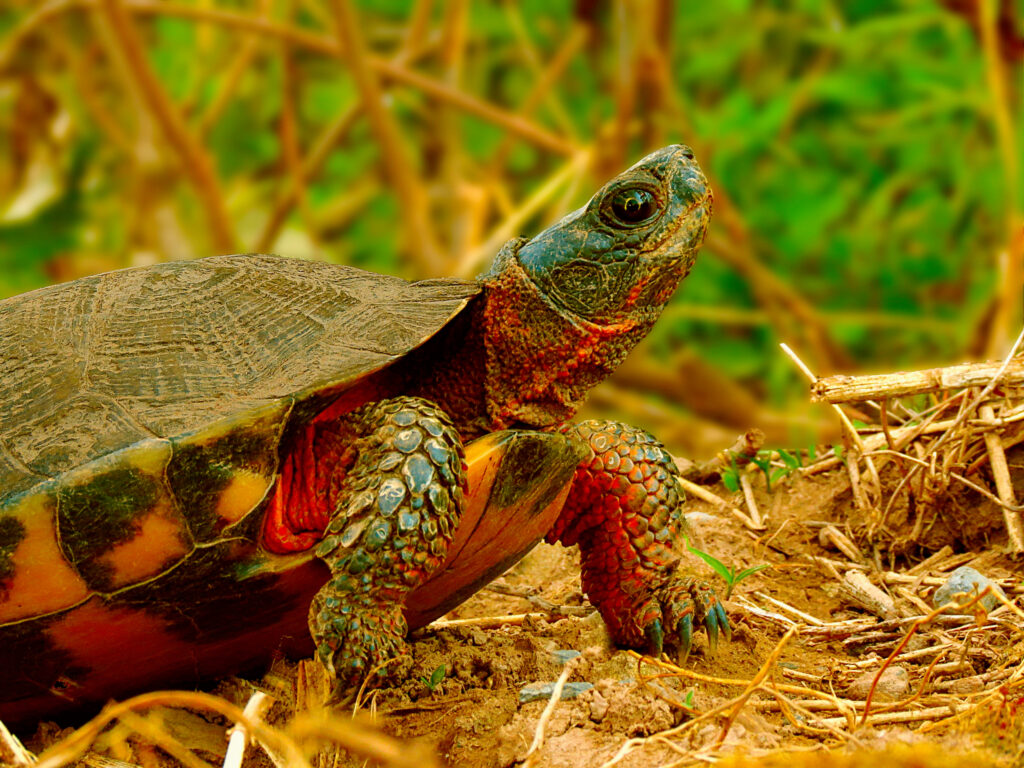
Images of Water Turtles
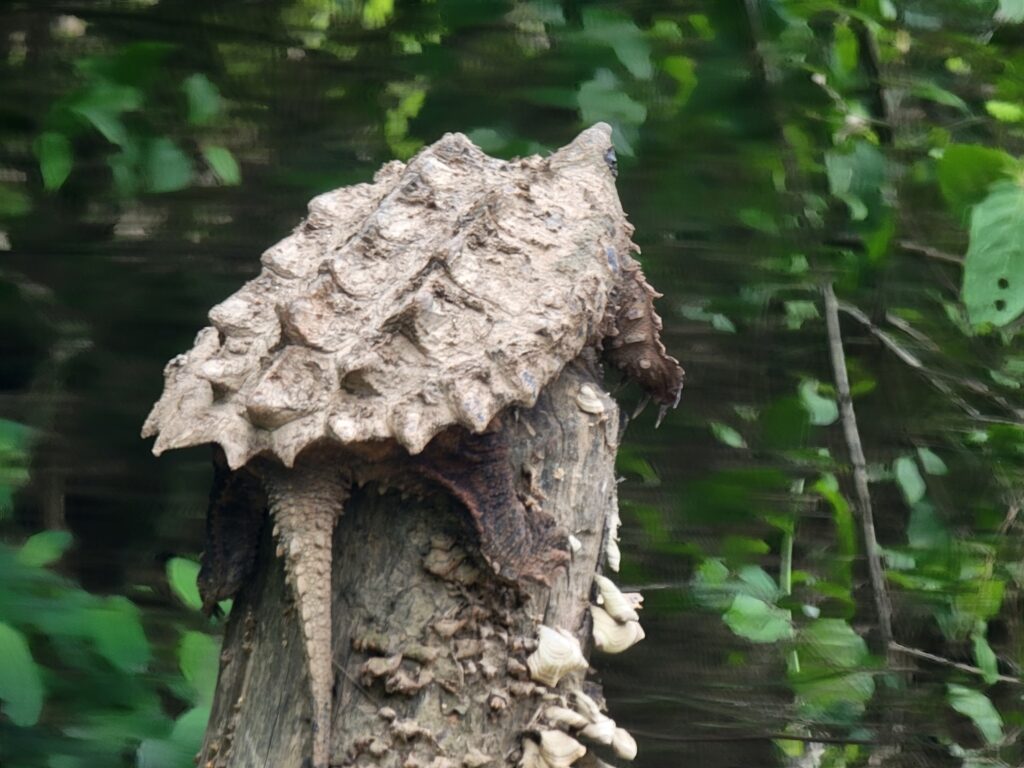
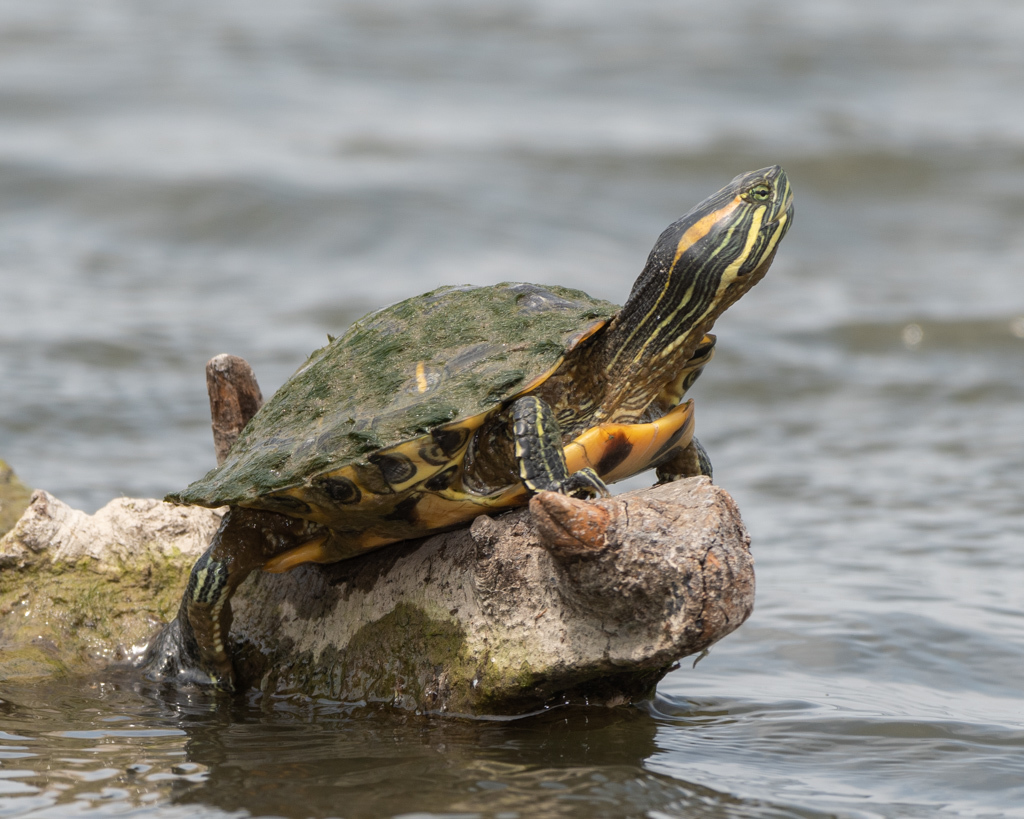
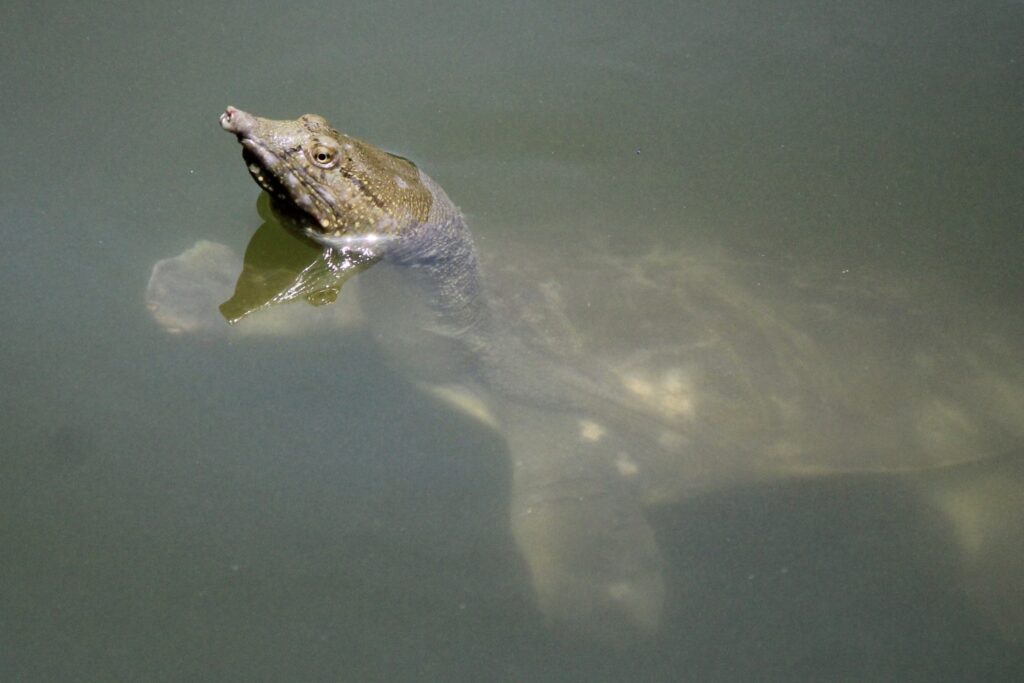
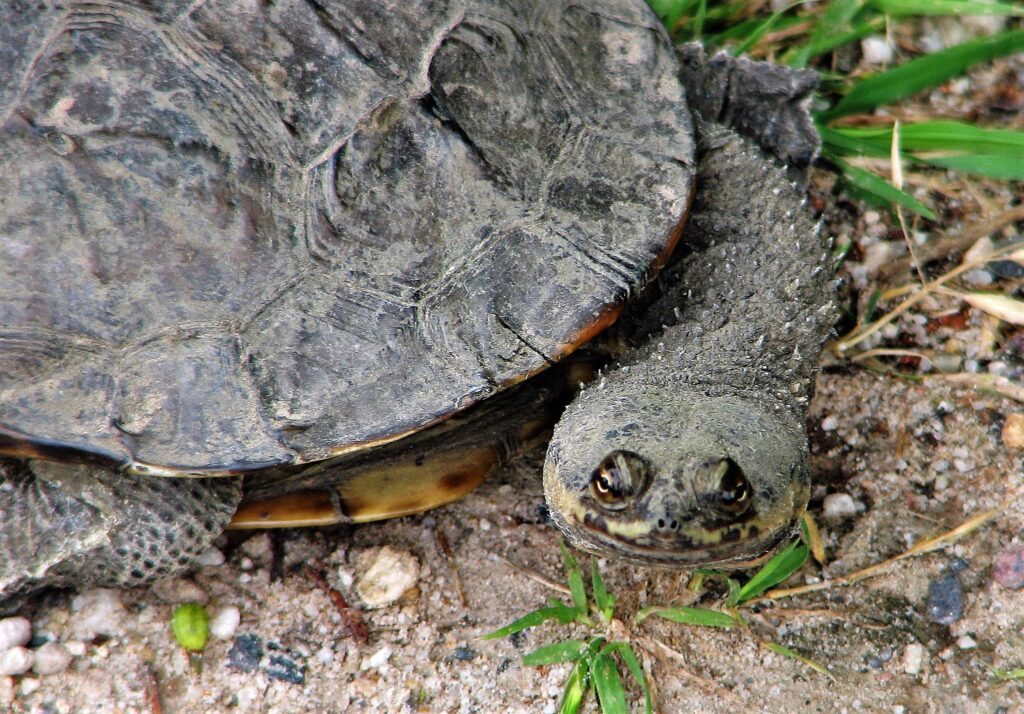
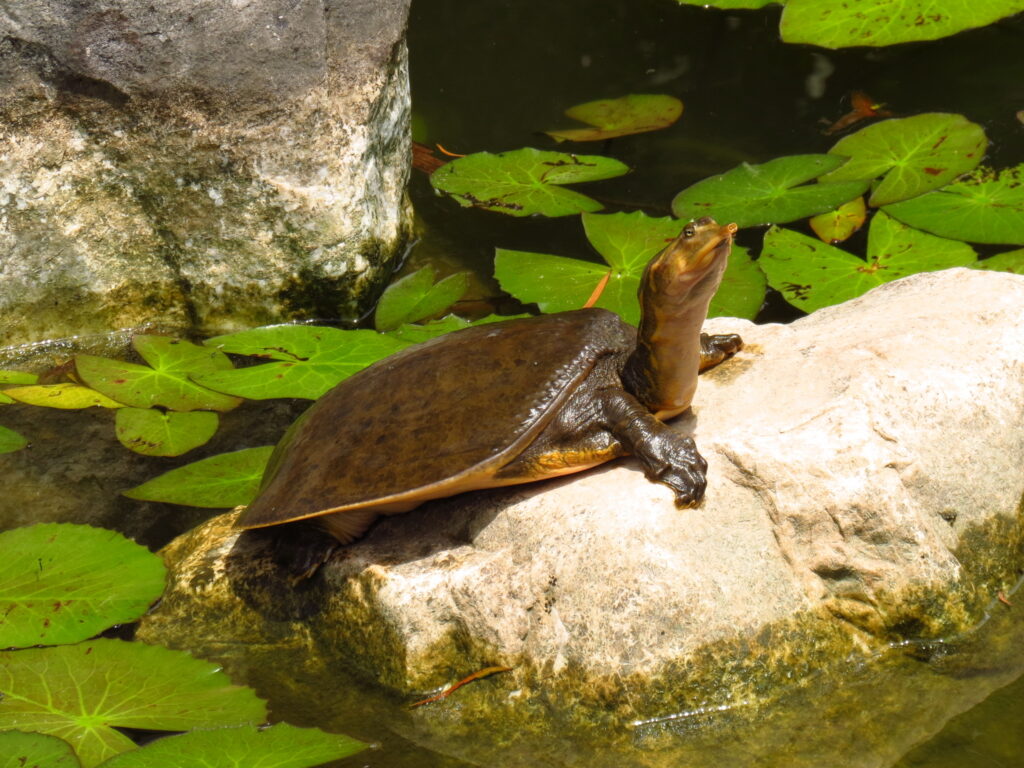
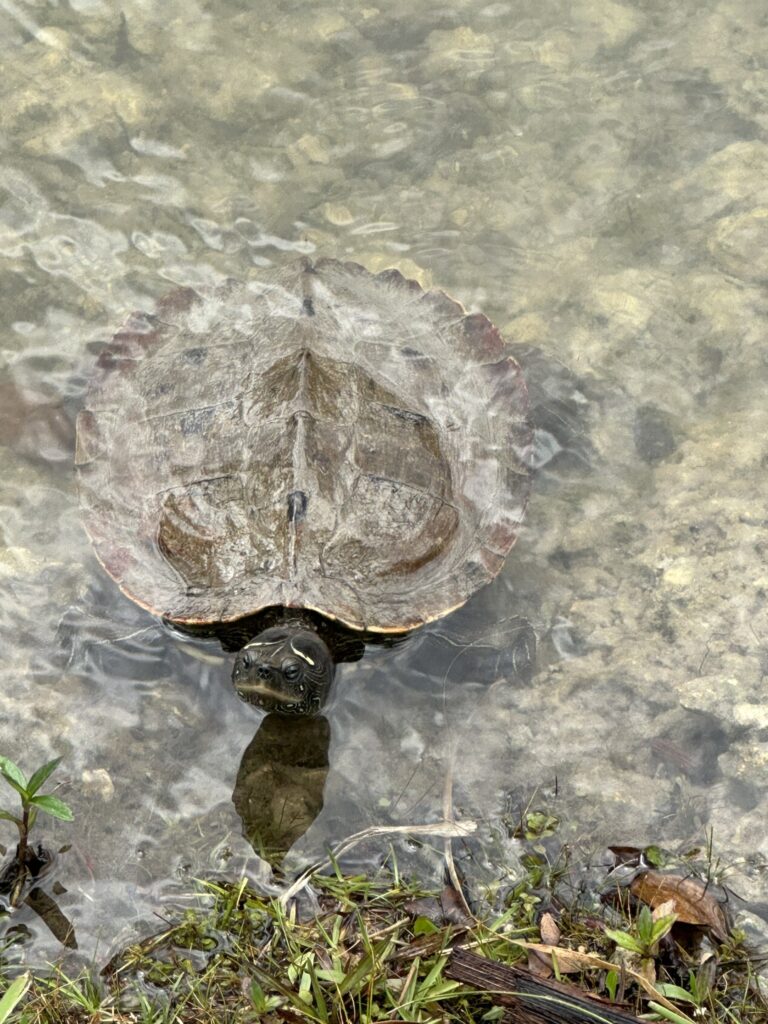
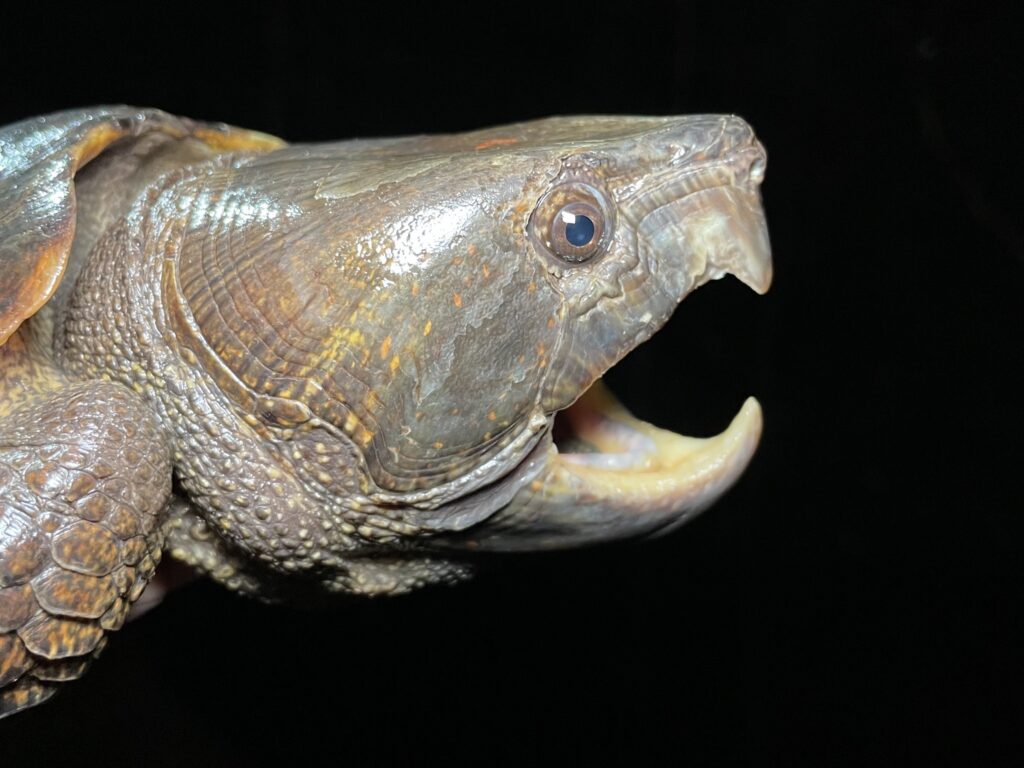
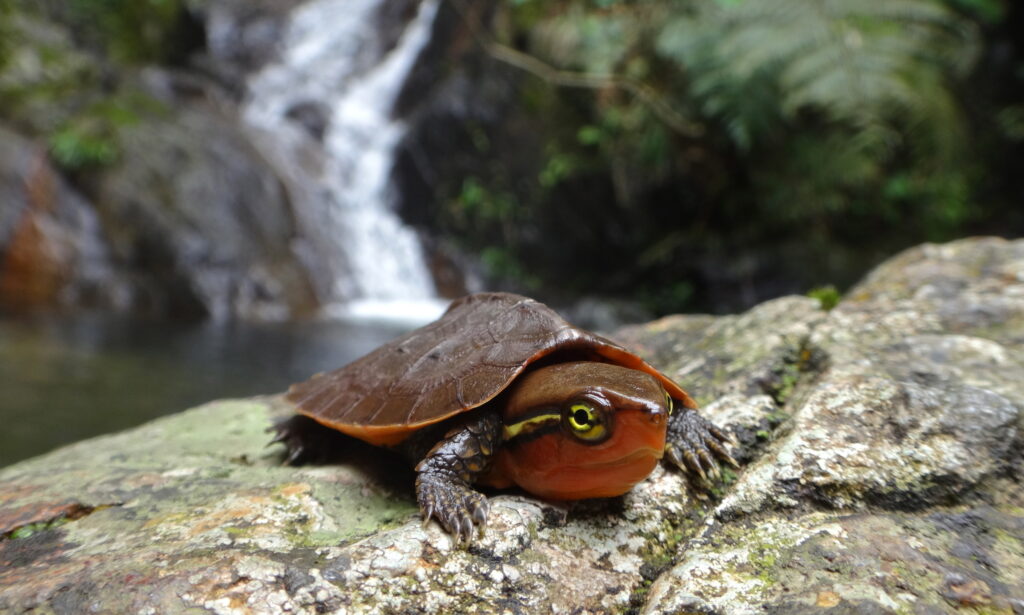
Below we show a gallery of images of different species of water turtles:
Leave a Reply