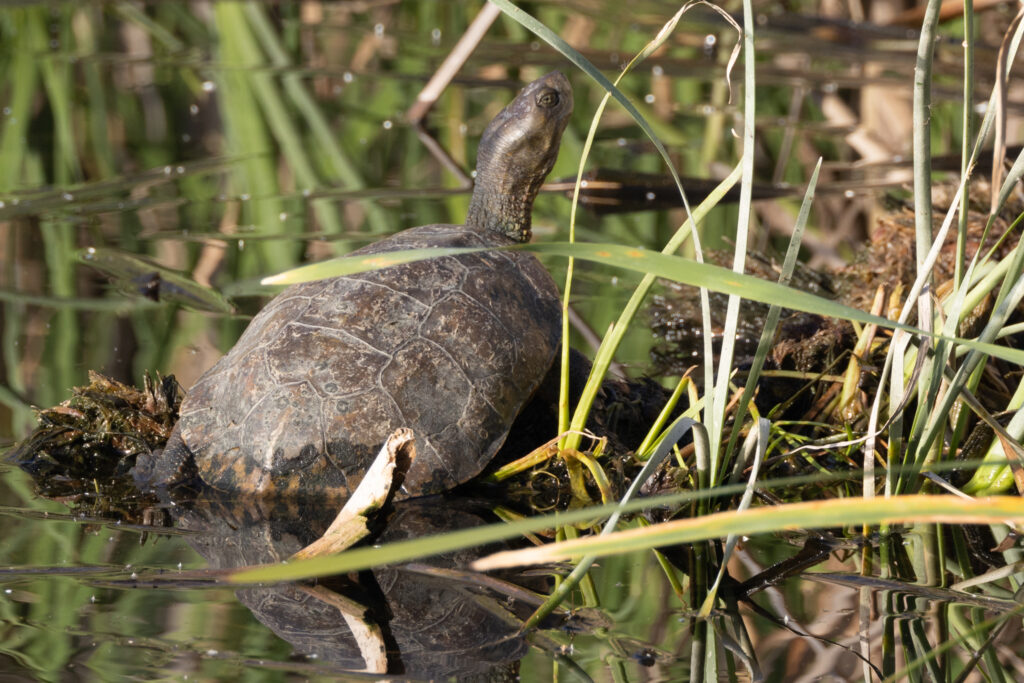
Mediterranean Pond Turtle
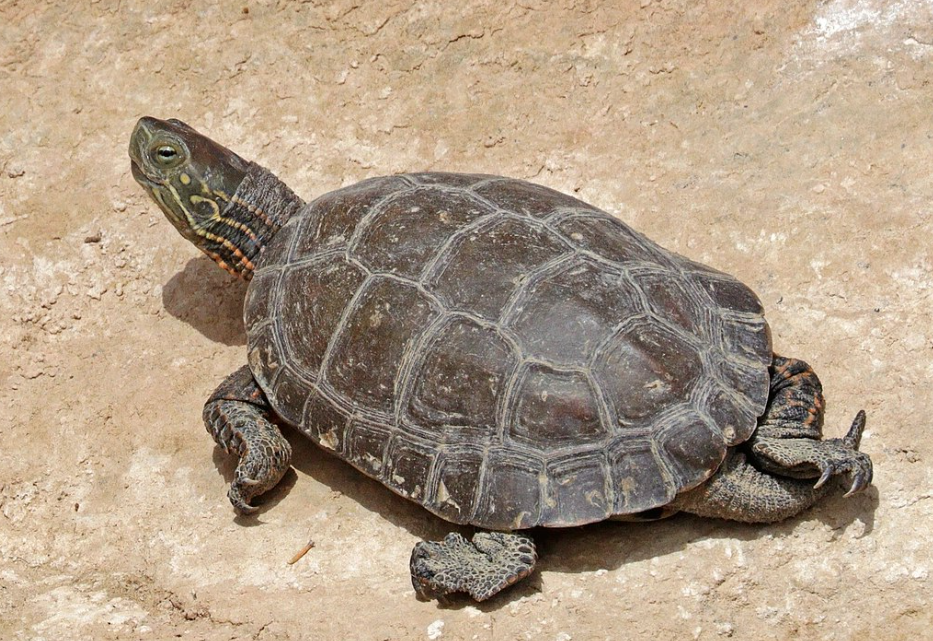
The Spanish pond turtle (Mauremys leprosa), also known as the Mediterranean pond turtle or Iberian river turtle, is a species of semi-aquatic turtle endemic to the Iberian Peninsula and North Africa. It is a very interesting species of leprous turtle for both biology and conservation; below are some relevant aspects of this species.
Distribution
Its distribution covers the western Mediterranean and the northwestern edge of Africa, from southern France (Banyuls), Spain, and Portugal, to Morocco, Algeria, Tunisia, and Libya. Some locations such as Niger and Mauritania have not yet been confirmed.
Characteristics
When the first specimens of Mauremys leprosa were examined, they were old individuals with infected sutures that looked like a kind of leprosy between the scales. This led the researcher to give the species its name, even though these turtles can be covered in algae and live in murky or even polluted waters.
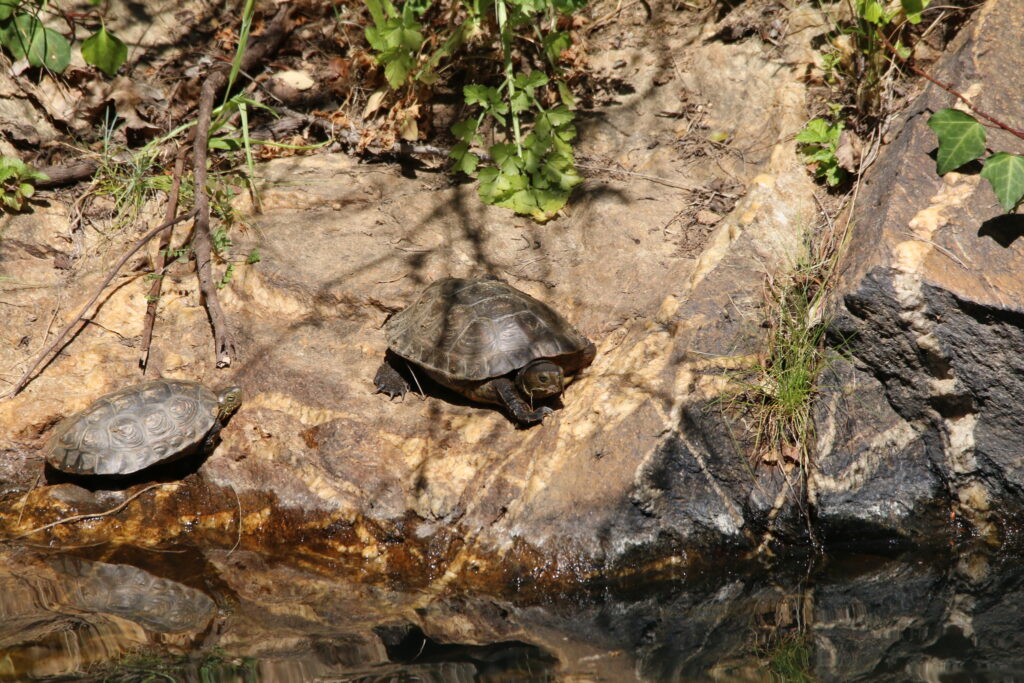
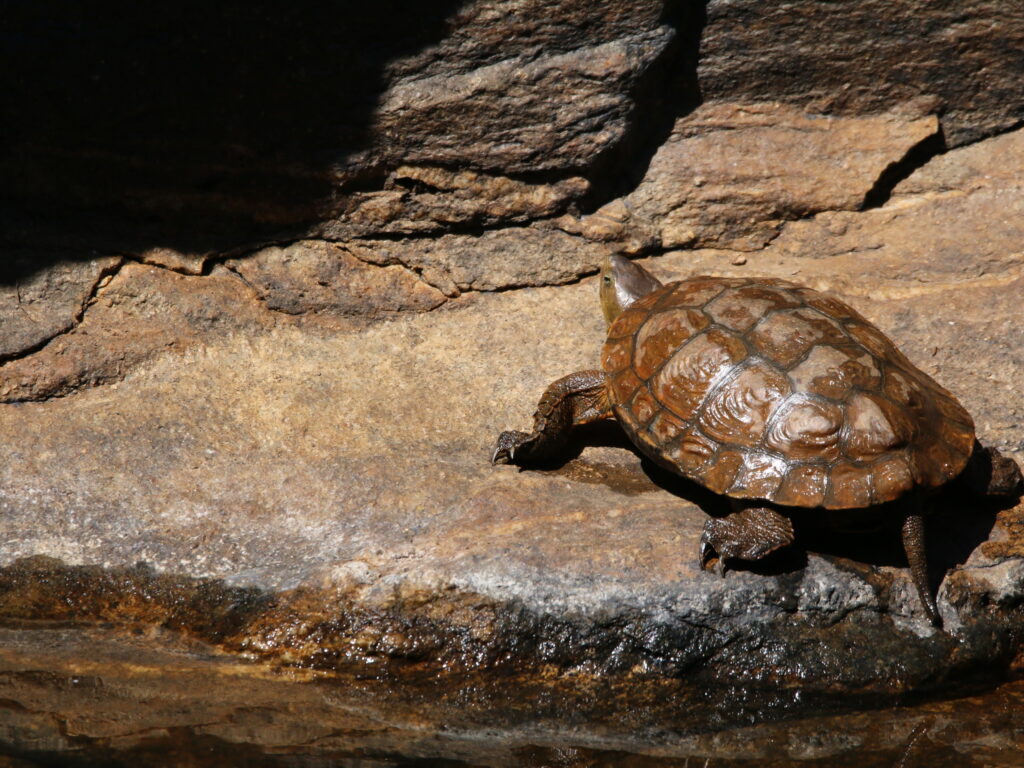
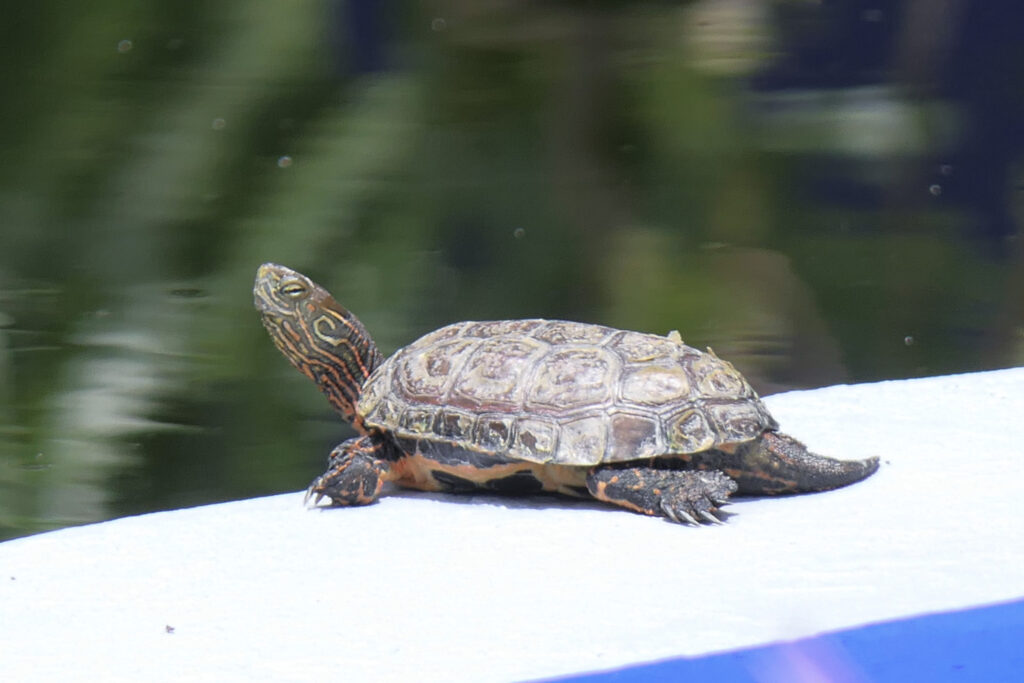
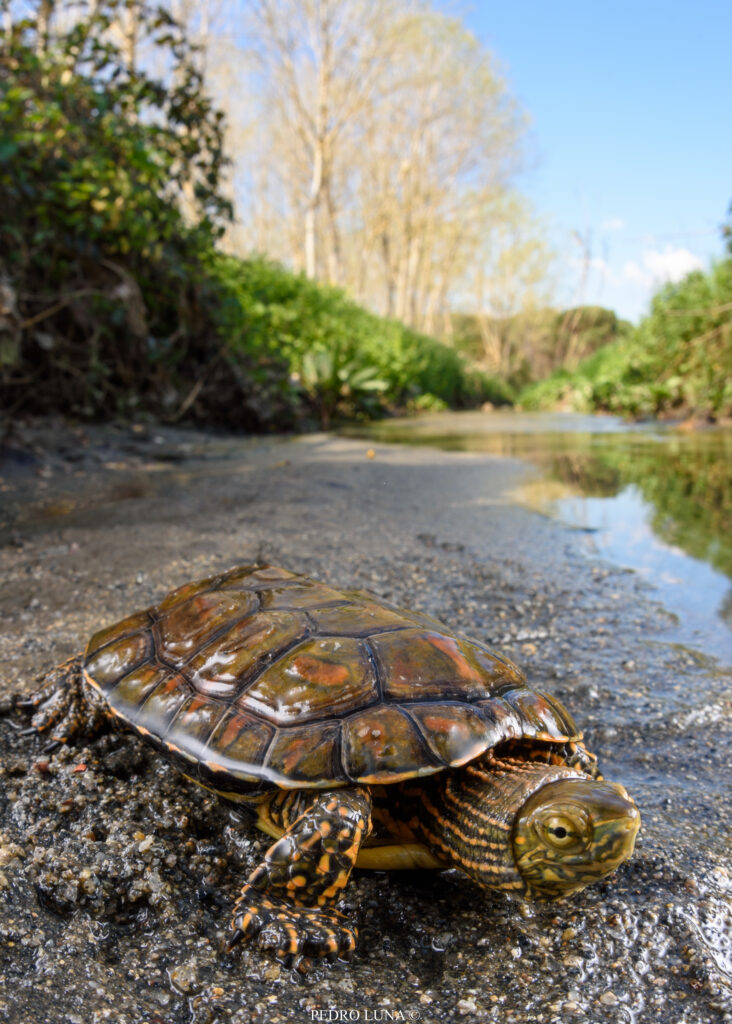
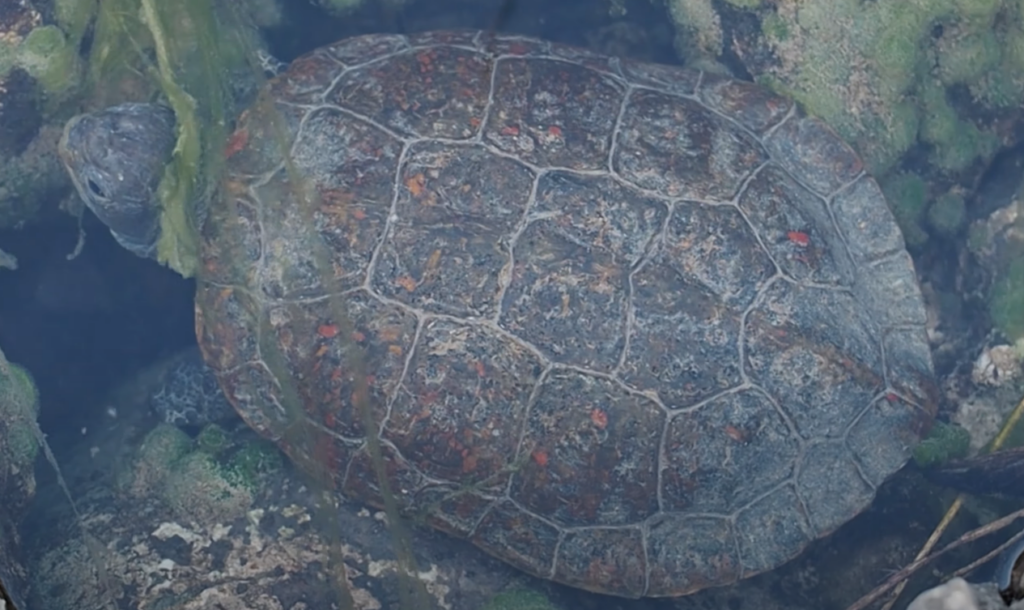
Its carapace is quite flat and very oval, with a central keel that often disappears in adults, being replaced by a depression in the central part. The marginals are very smooth and not serrated. The color of the carapace ranges from reddish-brown to olive, and young specimens show fine orange to yellowish spots on each scute. There is a great chromatic diversity in different areas where the species lives, and even within isolated populations. The plastron is yellowish and has a central dark spot, sometimes with a central yellow stripe. These particular colors are more evident in young individuals in captivity, while in the wild the animals usually lose their bright colors and become more uniform.
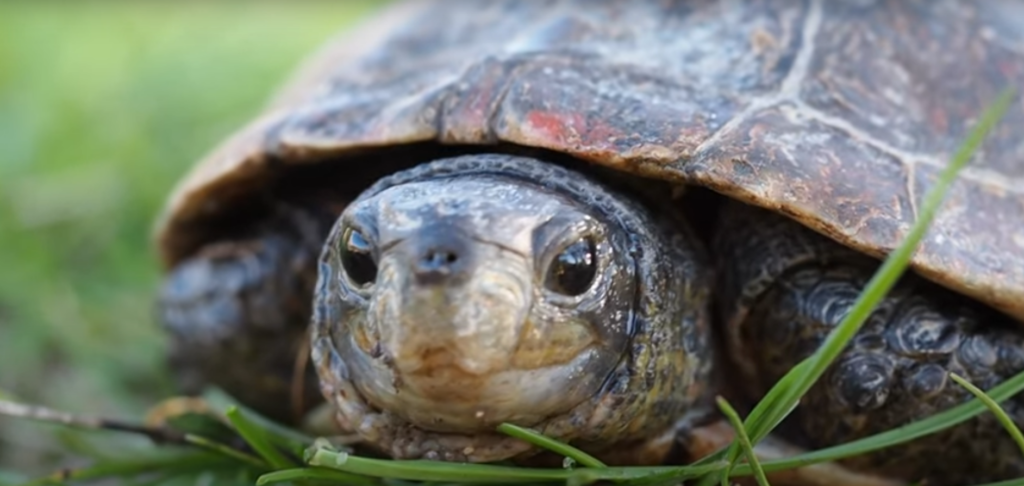
On its head, the Spanish pond turtle has bright yellow striped lines running from the base of the neck to the tympanum, some of which reach the back of the nose, on a background that varies from brown to bluish-gray. However, these lines are often noticeably faded in many individuals. In some very colorful specimens, you can see an incomplete yellow circle around the tympanums and sometimes an orange or yellowish spot between the tympanums and the eyes. Generally, the animal takes on a uniform brown tone, sometimes greenish, except on the neck and legs, where lighter cream to yellowish lines can be seen.
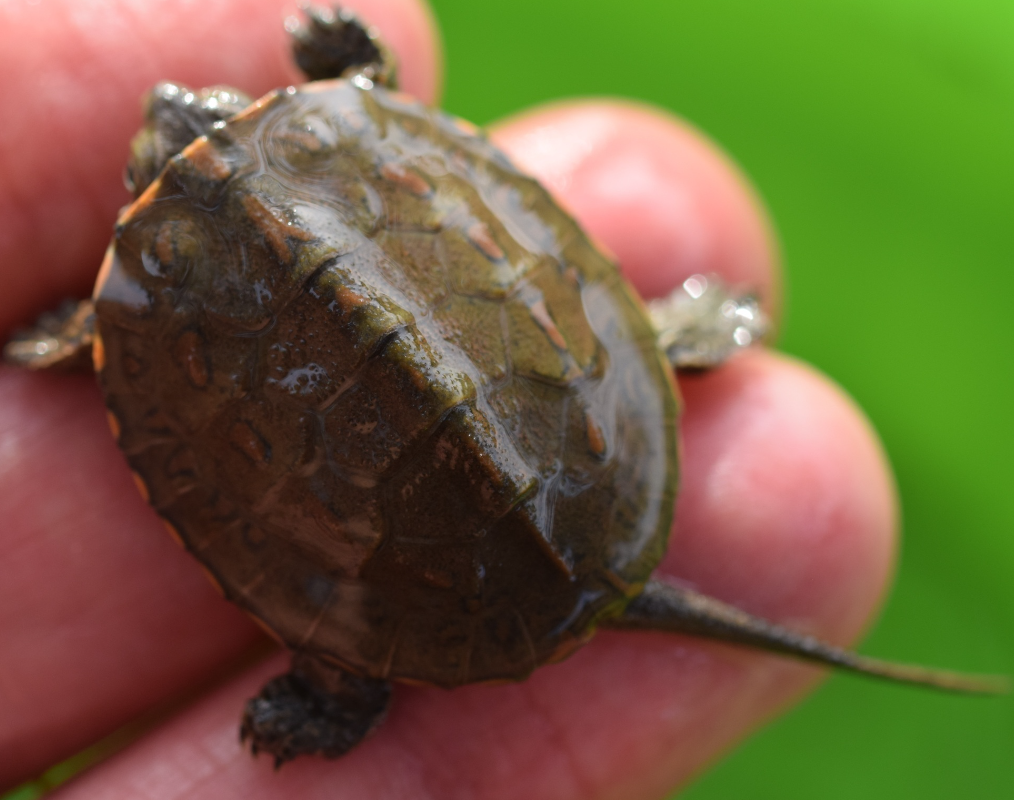
Juveniles of this species are very round, with a diameter of about 3 cm and have three dorsal keels. They are very colorful and marked with a yellow border around the edge of the carapace.
Subspecies
Recent publications have described eight subspecies of Mauremys leprosa, according to researchers Schleich, Maran, and Vanmeerhaeghe i Bour.
The nominal subspecies, Mauremys leprosa, is found in the northern part of its range, while the other seven subspecies are found in Morocco and some are subject to controversy due to their minimal morphological differences and because they are vicariant subspecies with changes in their distribution.
Among the subspecies are:
Mauremys leprosa atlántica
Found in Makhazan, with a uniformly dark plastron and dark lines on the carapace, a thin dark border, and a tympanic spot.
Mauremys leprosa erhardi
Near Melilla, it has a light plastron, dark lines on the carapace without a dark border, and a tympanic spot.
Mauremys leprosa saharica
Present around Guelmin, it has a light plastron with hieroglyphs on the carapace, without a border or tympanic spot.
Mauremys leprosa marokkensis
From the Hazouz plain near Agadir, it has a light plastron, uniform carapace without a dark border, but with a tympanic spot.
Mauremys leprosa ued Draa
Known from some populations with blue eyes, it has a plastron decorated with large symmetrical black spots, very marked stripes on the neck, a rather colorful carapace with light spots on a mahogany background, and a tympanic spot that is often present but sometimes absent.
Mauremys leprosa wernerkaestlei
From the Serou and Oum er Rbia ueds, it has a light plastron, dark lines on the carapace without a dark border but with a tympanic spot.
Mauremys leprosa zizi
It has a light plastron with hieroglyphs on the carapace, without a dark border or tympanic spot.
Habits
This turtle is discreet and prefers to live in muddy bottoms and piles of plant debris. It can be found in still waters, lakes, and quiet lagoons, and even in brackish waters. In the southern part of its range, it inhabits oases and isolated water pools in desert regions, which is curious given its habitat. It warms itself in the sun discreetly on sand or on a tree trunk, but hides at any sign of danger. Although it tolerates pollution in its environment, in altered and polluted aquatic environments, where it coexists with other species such as Emys and Mauremys, the former disappears while the pond turtle manages to survive.
In the north of its range, it hibernates for several months, while in the south, from central Morocco, it aestivates among piles of leaf litter or in dry mud.
How long does the Spanish pond turtle live?
The life expectancy of this species is quite long, as it can reach 30 years in captivity. In the wild, its life expectancy is usually shorter due to harsher conditions and the presence of natural mortality factors.
Longevity is a characteristic to consider in the conservation of the species, as it means these animals can live for many years and contribute to the reproduction and conservation of their population throughout their lives. Therefore, it is necessary to take the age of these animals into account in the management and conservation of their populations, and to ensure that appropriate measures are taken to guarantee their long-term survival.
How big is the Spanish pond turtle?
The Mauremys leprosa is one of the largest species in the genus Mauremys, with a maximum size of 25 cm in females. Males, on the other hand, are a bit smaller and can reach a maximum size of 20 cm.
What does the Spanish pond turtle eat?
The diet of the Spanish pond turtle is mainly carnivorous, feeding on small fish, amphibians, tadpoles, gastropods, and insects, although it sometimes eats algae, aquatic plants, and plant debris. Mating usually occurs at the beginning of the season, especially in the south.
Reproduction
Egg-laying in this species takes place between May and June in the north of its range. Mating occurs underwater and is quick, with the male performing some movements around the female's head.
Females lay their elongated eggs (2 cm x 3.5 cm), six to nine per clutch, at some distance from the water in a dry, sunny place. They can lay up to three times per season. Incubation is brief and the eggs hatch after about 60 days. The hatchlings are about 3 cm long and weigh 8 g, which is heavier than the hatchlings of the Emys species.
Conservation status
The species is rarely collected and rarely consumed. There is no trade or trafficking related to this species, although it can sometimes be found for sale in markets. The Spanish pond turtle is not very sensitive to pollution and is only threatened by the destruction of its aquatic habitat and excessive cleaning of lagoons and canals.
The competition from introduced tropical species, such as the red-eared slider, is one of the problems this species faces. These introduced species can have a negative impact on the habitat and diet of the Spanish pond turtle, which can affect its survival and reproduction. Invasive species can also transmit diseases to the native population. This can have a significant impact on the health and survival of the Spanish pond turtle.
In France, the population of this species is limited, with only about a hundred individuals near the Spanish border. A protection program has been implemented to preserve this unique population in France. It includes modifying some local dams, maintaining the banks, monitoring by ONF agents, and radio tracking.
Images of the Spanish pond turtle
Below we show a set of photos of the Spanish pond turtle: