
Yellow-Bellied Slider
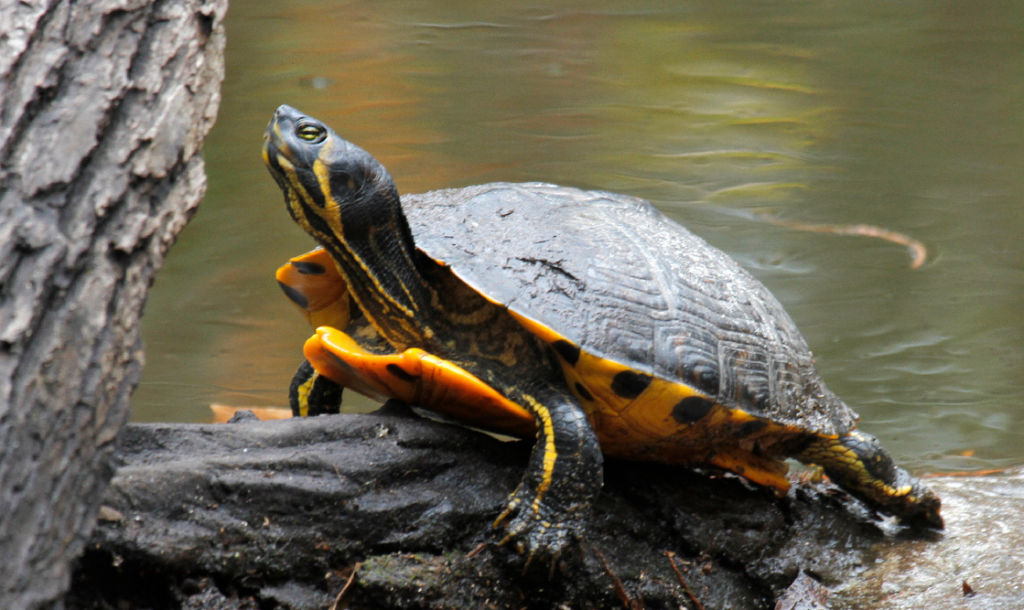
The yellow-eared slider (Trachemys scripta scripta), also known as the Florida slider, is a species of aquatic turtle native to the southeastern United States. It is characterized by having a large head and an oval, domed shell, with a pattern of yellow lines on the head and legs. It is a subspecies of Trachemys scripta, a sibling of the red-eared slider (Trachemys Scripta Elegans).
This species of yellow-eared slider has become very popular as a pet and has been introduced to many parts of the world. Remember that sliders are animals that require specific care and a suitable environment to live healthily.
Distribution
The natural distribution of this turtle is limited to the United States, specifically from southeastern Virginia to northern Florida.
Characteristics
This genus is often compared to Pseudemys, Graptemys, and Chrysemys, which are also aquatic turtles. Trachemys have a more domed shape, a pointed head (especially in males), and brighter colors. They are more aggressive and carnivorous than Pseudemys, which have a flatter shell.
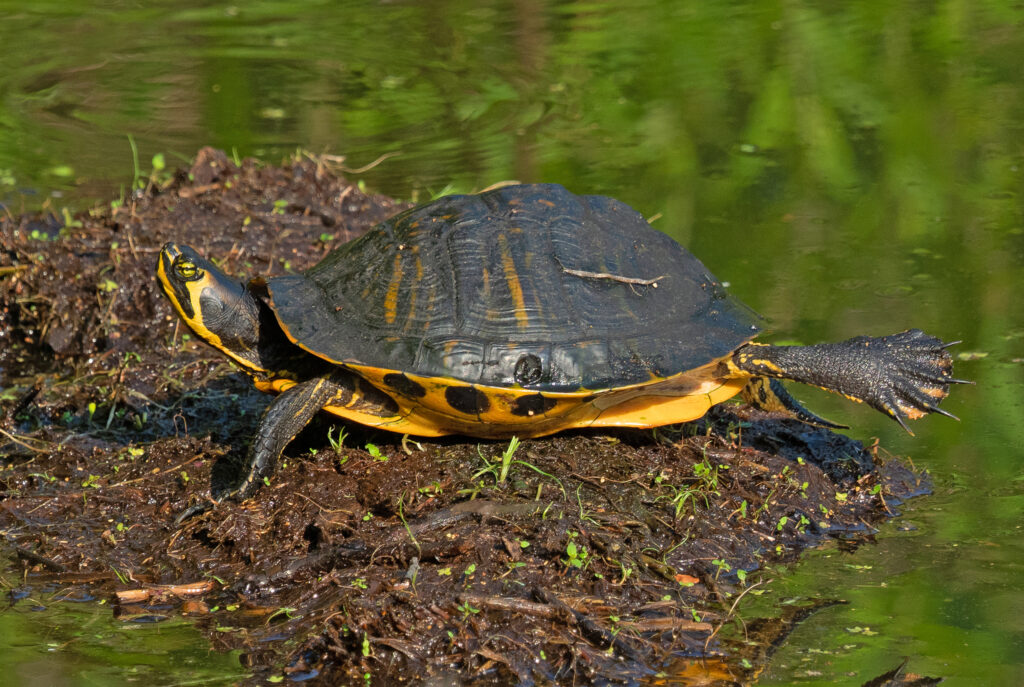
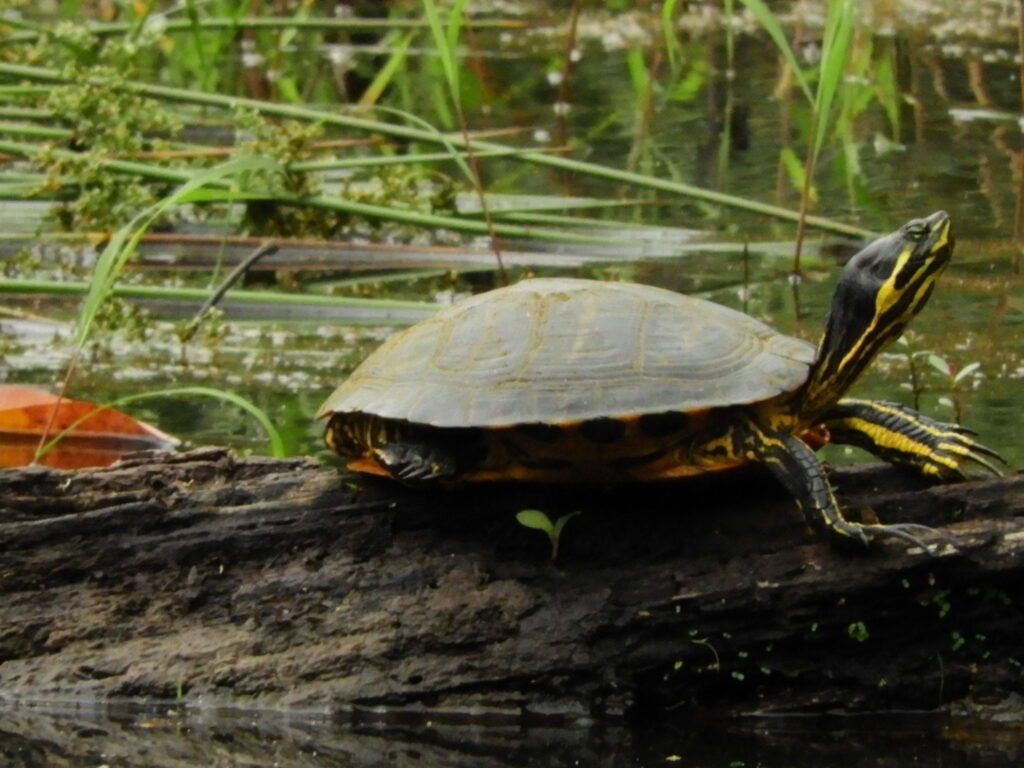
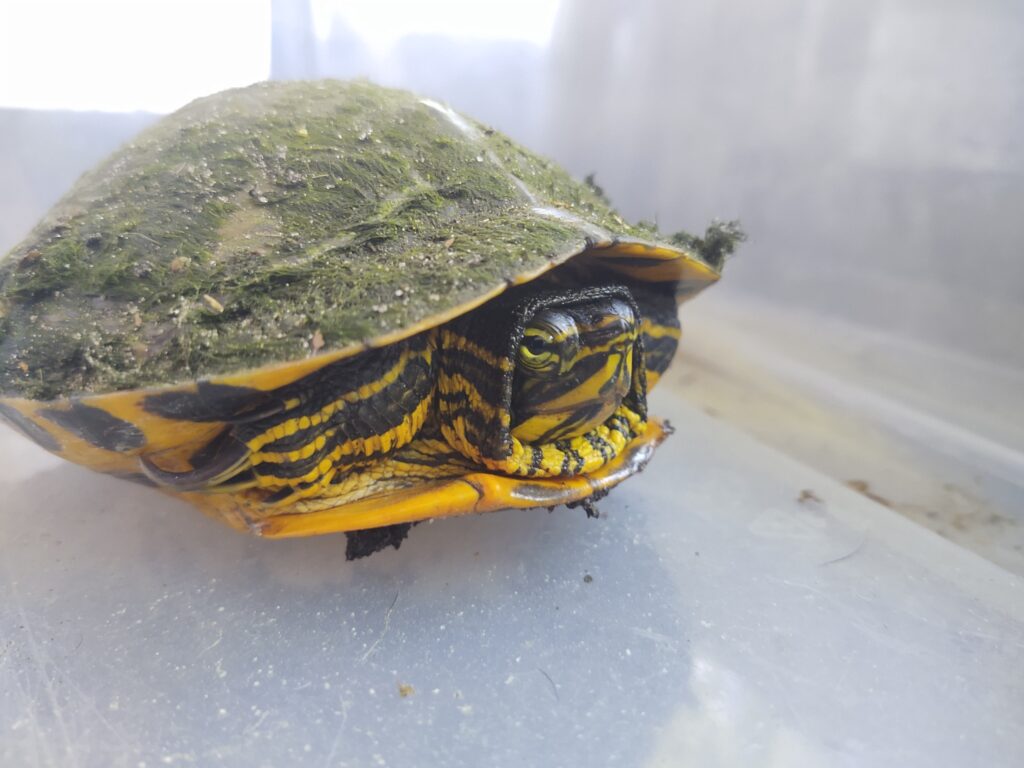
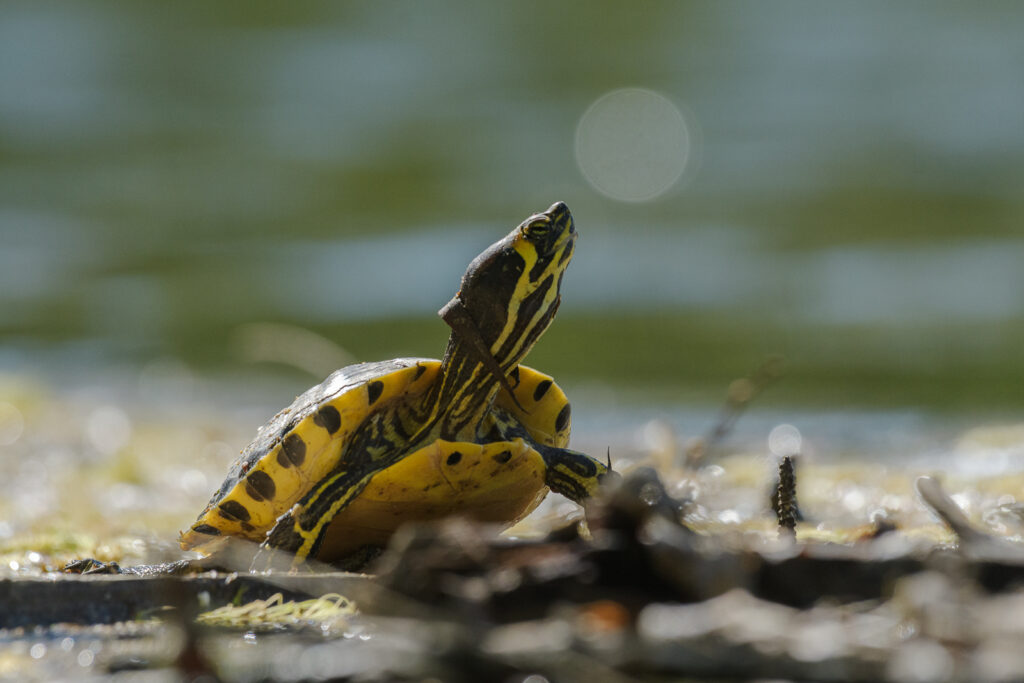
The shell is oval, moderately domed and serrated at the rear, brown to olive with vertical yellow-orange streaks on the ribs. The upper side of the marginal scutes has round black spots, while the bridge has dark bars or spots. The color of the plastron is yellow, sometimes with a single black circle on each scute.
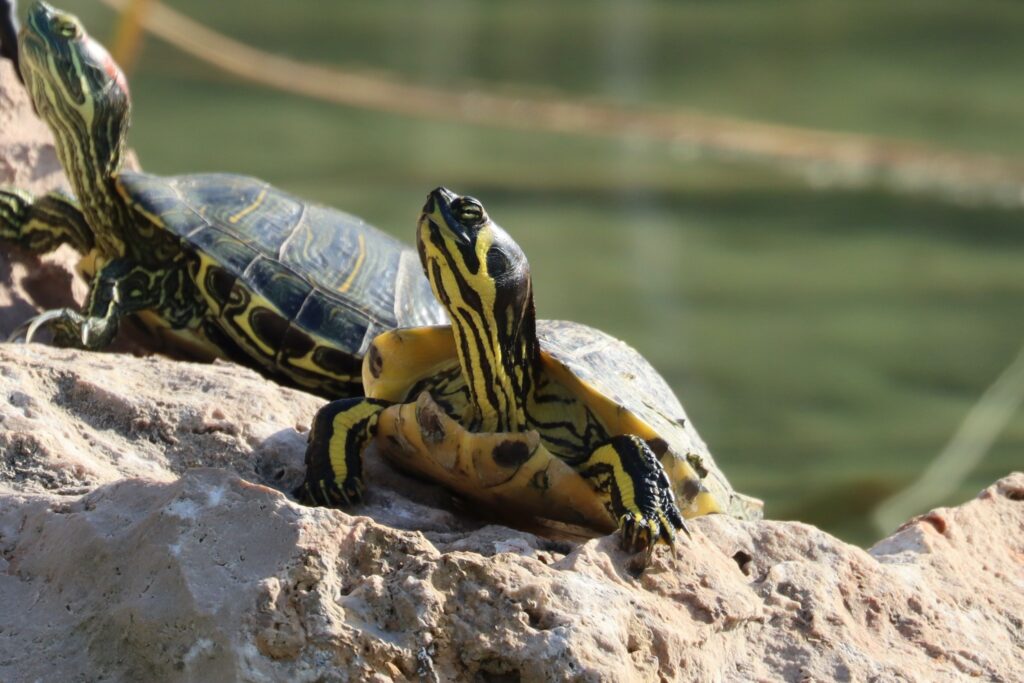
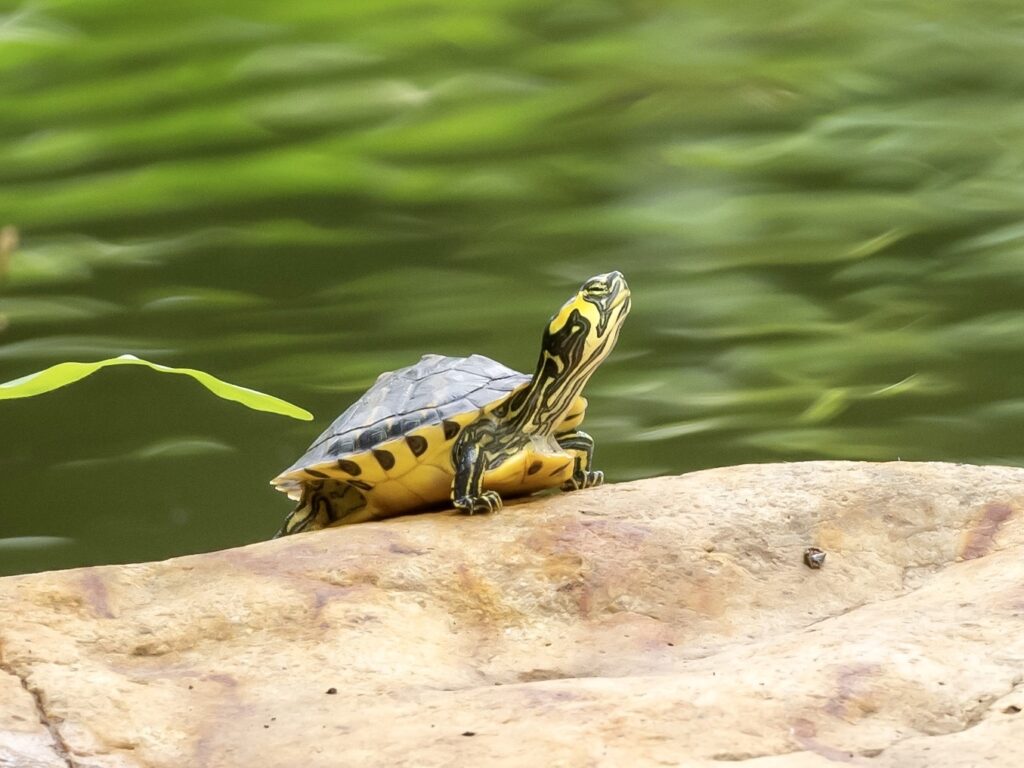
The head is black, with a large yellow stripe that starts behind the eye, runs down the cheek, and joins thick yellow or orange stripes under the chin. Other fine lines radiate from the snout down to the mouth, while several more discreet but thick lines mark the neck. The rest of the skin is dark brown to olive or almost black, with fine yellow longitudinal lines on the limbs. Adult males are much darker than females and can become almost black as they age. Some are so different from the baby yellow-eared slider and females that they have been thought to be another species. Males have very well-developed claws on their front legs.
Habits
The yellow-eared slider is extremely opportunistic and well adapted to various aquatic environments. They prefer calm waters with muddy bottoms and abundant vegetation, as well as sunny spots for basking. They remain active when the water temperature exceeds 10°C. Those living in the south stay active all the time, although they may hide in summer to estivate during the hottest months. These turtles are diurnal and sleep at the bottom or on the surface at night. One of their main activities is basking in large groups for long periods. This species is capable of tolerating high temperatures.
Due to their habit of sliding off logs or rocks where they bask onto their plastron, they are often known in English as "slider turtle". They are also capable of making long overland journeys, which makes them vulnerable to being run over. Males can travel greater distances than females, reaching up to 5 km in search of water sources.
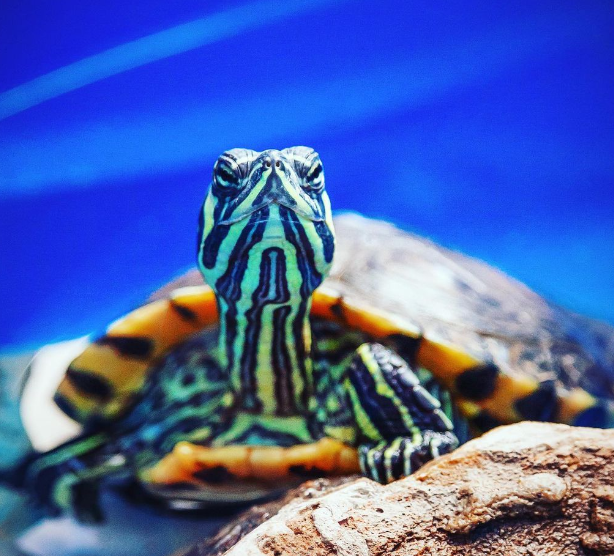
Yellow-eared slider care
To stay healthy and develop properly, the yellow-eared slider needs to bask in the sun for extended periods to regulate its body temperature. For proper digestion and nutrient absorption to maintain a strong shell, UVB light from the sun or a UVB lamp is necessary. If outdoor sun exposure is not possible, a special reptile bulb with UVB light should be used, ensuring they receive between 4 and 8 hours of daily exposure.

- Ideal para todo reptil habitante de desierto
- Alta producción de UVB
- Elevada conversión de D3
- Efectiva hasta 50 cm (20")
- Suministra los rayos UVB necesarios para el metabolismo óptimo del calcio

Substrate
If the Florida slider is in a tank, tub, or turtle habitat, it is not recommended to use gravel on the bottom because they can swallow it and choke, and gravel also traps dirt and can cause bad odors in your turtle's habitat. If you use substrate for these turtles, you should follow our gravel recommendations as they have the correct size to prevent ingestion. You can read more in the post about substrate for aquatic turtles.
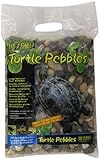
- Guijarros redondos
- Crea una apariencia natural de lecho de río
- Fácil de limpiar
They require a lot of water since they are excellent swimmers, so the more water their habitat has, the better these turtles will develop.
Dry area
These turtles grow quickly and you must provide them with a dry area in their habitat where they can rest and bask. It is essential that this dry area is easily accessible and that there are no drafts nearby, as these turtles are prone to pneumonia.

Filter
Having a good filter is important to ensure good water quality for the turtles. In another article, you can find the best filter option for turtles. The filter is essential for keeping the water clean for long periods, preventing disease, and saving water. We must make sure the filter is always running.
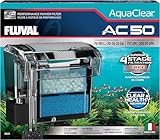
- El sistema de filtración de AquaClear utiliza todo el potencial del filtro
- Conserva las bacterias beneficiosas
- Promueve la recirculación del agua y permite un fácil intercambio de sus componentes
- Absorbe los malos olores
Heater
When yellow-eared sliders are babies (first 2 years), it is recommended to keep the water temperature at 28 degrees so they stay active and have an appetite to grow healthily. As they grow, the temperature can be lowered to between 25 and 28 degrees with an adjustable thermostat.

Provide them with calcium supplements, which can be done with turtle-shaped tablets for aquariums or with cuttlefish bone, which is a calcium-rich supplement.
If tap water is used, it is essential to add a dechlorinator, which can be purchased at any pet store. This is necessary to remove chlorine from tap water and prevent eye and skin irritation in turtles.

- Para peces y plantas
- Para acuarios de agua dulce y tortugas
- Neutralización del cobre, el plomo y el zinc
- Protección de la membrana mucosa
For more information about aquatic turtles and turtle accessories.
How long does the yellow-eared slider live?
These animals can easily live up to 40 years if they receive the basic necessary care. Yellow-eared sliders are capable of reaching great longevity.
How big does the yellow-eared slider get?
Females of this species can reach 28 cm, while males are a bit smaller, reaching up to 25 cm.
What can it eat?
This turtle is omnivorous and eats a variety of foods, including snails, crayfish, insect larvae, tadpoles, small fish, and a variety of vegetables. Juveniles tend to be more carnivorous, while adults feed mainly on plants. To ensure proper feeding, the water temperature should be above 18°C.
In captivity, a balanced diet should be provided that includes fresh and varied foods such as vegetables, fruits, and animal proteins. In the aquatic turtle food guide we explain the possible foods you can give your aquatic turtle.
Reproduction
Males reach sexual maturity when they are between 9 and 12 cm, while females reach it when they are about 20 cm. Courtship occurs in spring and summer, and always takes place in the water. During courtship, the male smells the female's cloaca and then positions himself in front of her, extending his front legs and waving and vibrating his claws in front of the female's head. If the female is receptive, the male moves to her rear and mates. The egg-laying season is from April to July, depending on latitude, and each clutch can include 2 to 23 eggs, with an average of 10. Up to five clutches per year can occur, and incubation lasts between 60 and 80 days.
Compatible species
When choosing tank mates for a yellow-eared slider, keep in mind that these are territorial and solitary animals. Therefore, they may not tolerate the presence of other turtles in their territory. If you decide to add another individual to the same tank, there must be enough space and hiding places for both.
If you decide to add another animal to the tank, some examples of species that could be compatible with the yellow-eared slider are the Florida slider (red-eared), the painted turtle, the peacock turtle, the southern painted turtle, the yellow-bellied slider, the red-bellied slider, the cooter turtle, the map turtle, the false map turtle, the diamondback terrapin, or the picta belli turtle. Make sure all species have similar needs for temperature, lighting, and feeding to avoid health or behavioral problems.
You should also know that turtles should be of similar size, because if you have a turtle, regardless of the species, that is larger than the other, the smaller one will likely get hurt. Larger individuals tend to bite the smaller ones.
Yellow-Eared Slider Images
Here is the gallery of Yellow-Eared Slider photos so you can see the differences with other species of the Trachemys genus:
Conservation status
This species is not currently endangered, as it is still abundant in its natural habitat. It poses an indirect threat to many species worldwide. It is produced in large numbers in specialized breeding farms, mainly in Louisiana, and then exported. Individuals that escape or are released into the wild invade habitats that are not their own, harming local species. In its natural habitat, this slider is affected by urbanization and traffic accidents. Around breeding farms, the collection of breeding animals has led to the eradication of the species in large areas.
In Spain, it is considered an invasive species due to the number of abandonments these turtles have suffered in rivers, lakes, or reservoirs in the country. This turtle withstands climatic conditions. The yellow-eared slider has been listed as one of the 100 most harmful invasive exotic species in the world by the International Union for Conservation of Nature.
Invasive Exotic Turtles: Current European and Spanish Regulations
Current European and Spanish legislation strictly prohibits the acquisition, purchase, and sale of invasive exotic species, including Trachemys scripta and its subspecies such as the Red-Eared Slider, yellow-eared slider, and the Painted Turtle (Chrysemys picta). These regulations aim to protect local ecosystems and prevent possible negative impacts on biodiversity, highlighting the importance of conserving and preserving native species. For more information, consult MITECO to learn more about the yellow slider.
Yellow-eared slider accessories
Best Aquarium Algae Control
Turtle Substrate
Best Turtle Brands
Automatic Turtle Feeder
Turtle Aquarium
Turtle Lamp
Contenido relacionado