
Hieroglyphic River Cooter
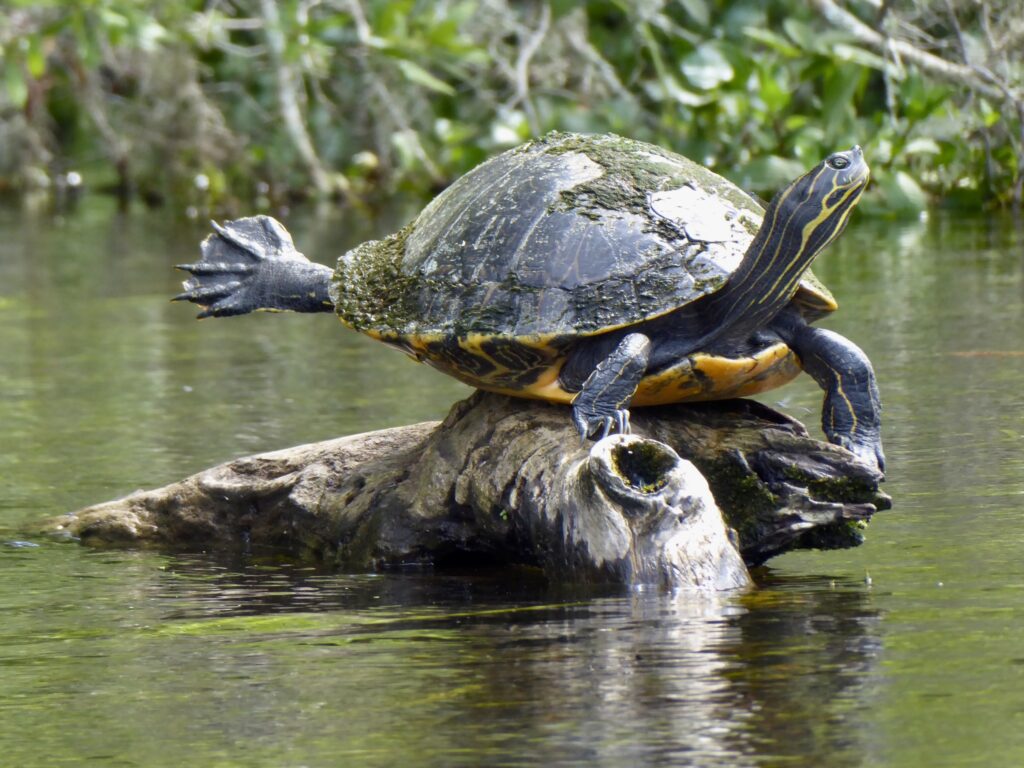
The hieroglyphic turtle (Pseudemys concinna), also known as the Jicotea turtle, is a species of aquatic turtle found in North America, ranging from southern Canada to northern Mexico. This species is popular as a pet and is also found in the wild in many areas. It belongs to the family Emydidae.
In this article, we will explore the biology, care, and behavior of the hieroglyphic turtle (Pseudemys concinna), as well as its ecological importance and conservation status in the wild. We will discuss some of the challenges this species faces and the measures being taken to protect it.
Characteristics
The Pseudemys concinna shares a remarkable similarity in shell and body shape with the well-known Trachemys scripta elegans or Trachemys scripta scripta.
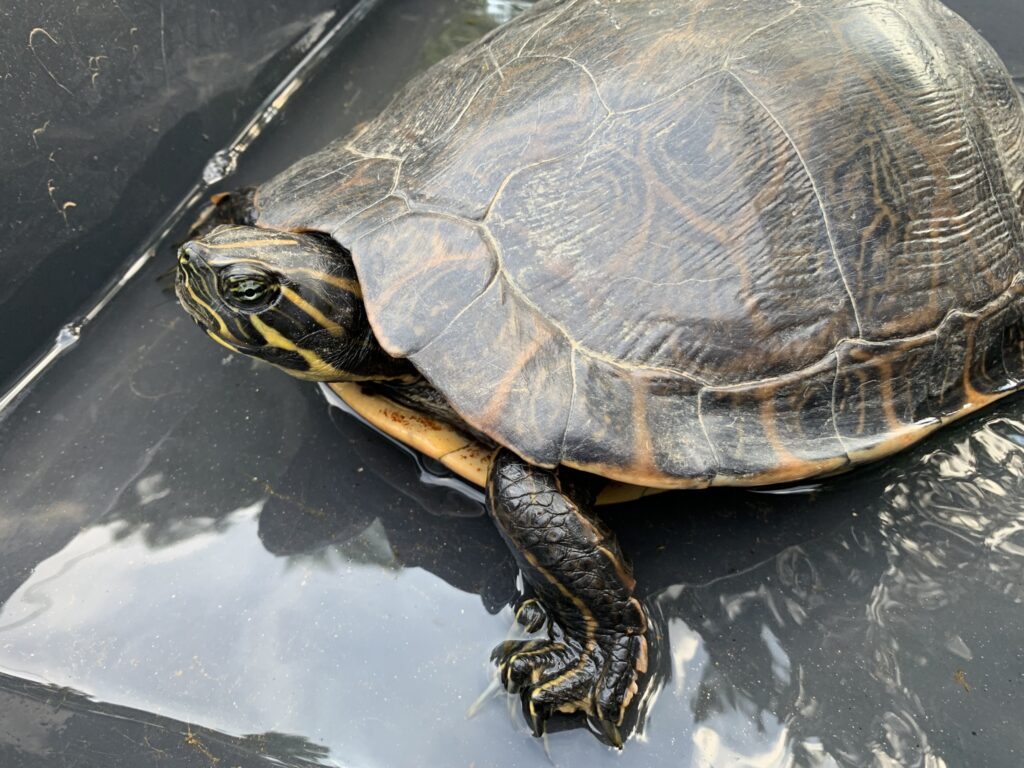
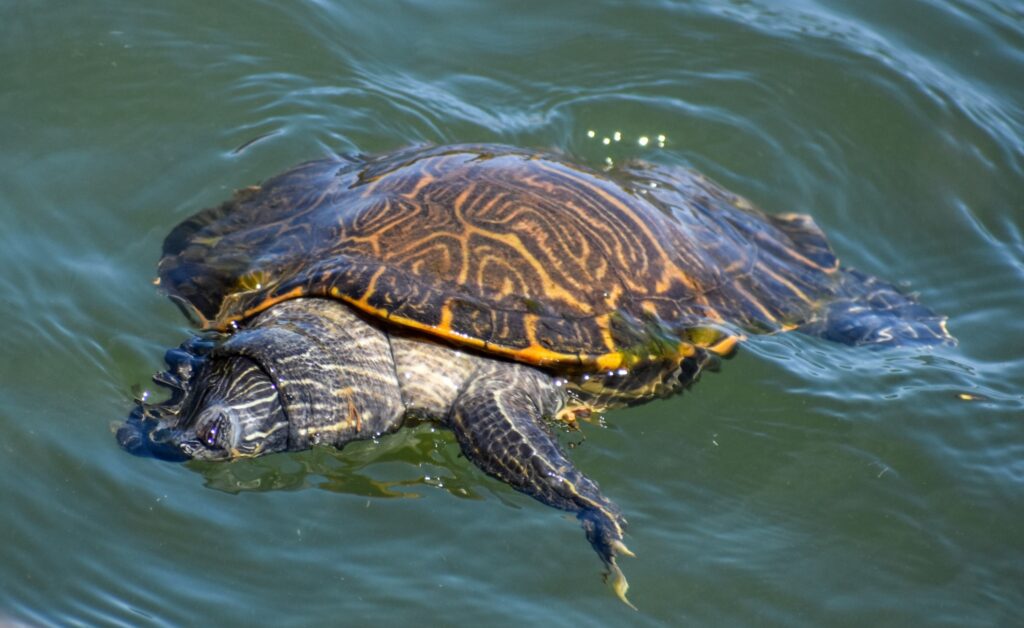
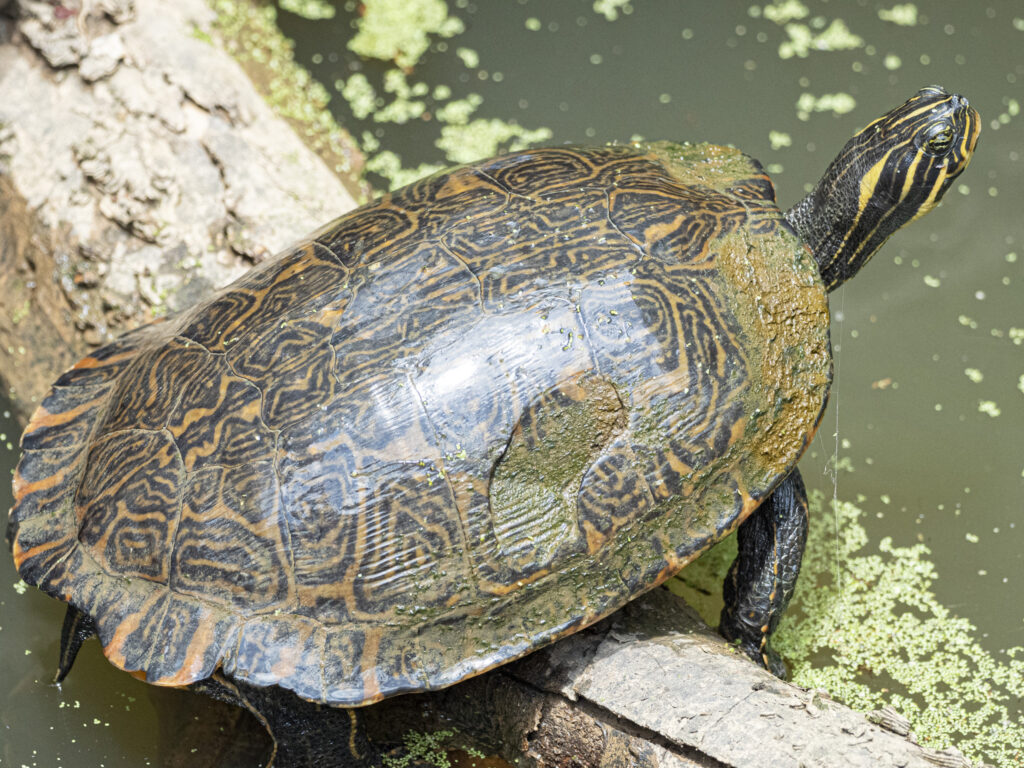
It is distinguished by an inverted "C"-shaped mark on the second costal scute of the carapace and an oval shape with a higher center and a slight serration at the rear. Its overall coloration is dark brown with yellow stripes.
As they age, the colors may fade and become black or dark brown.
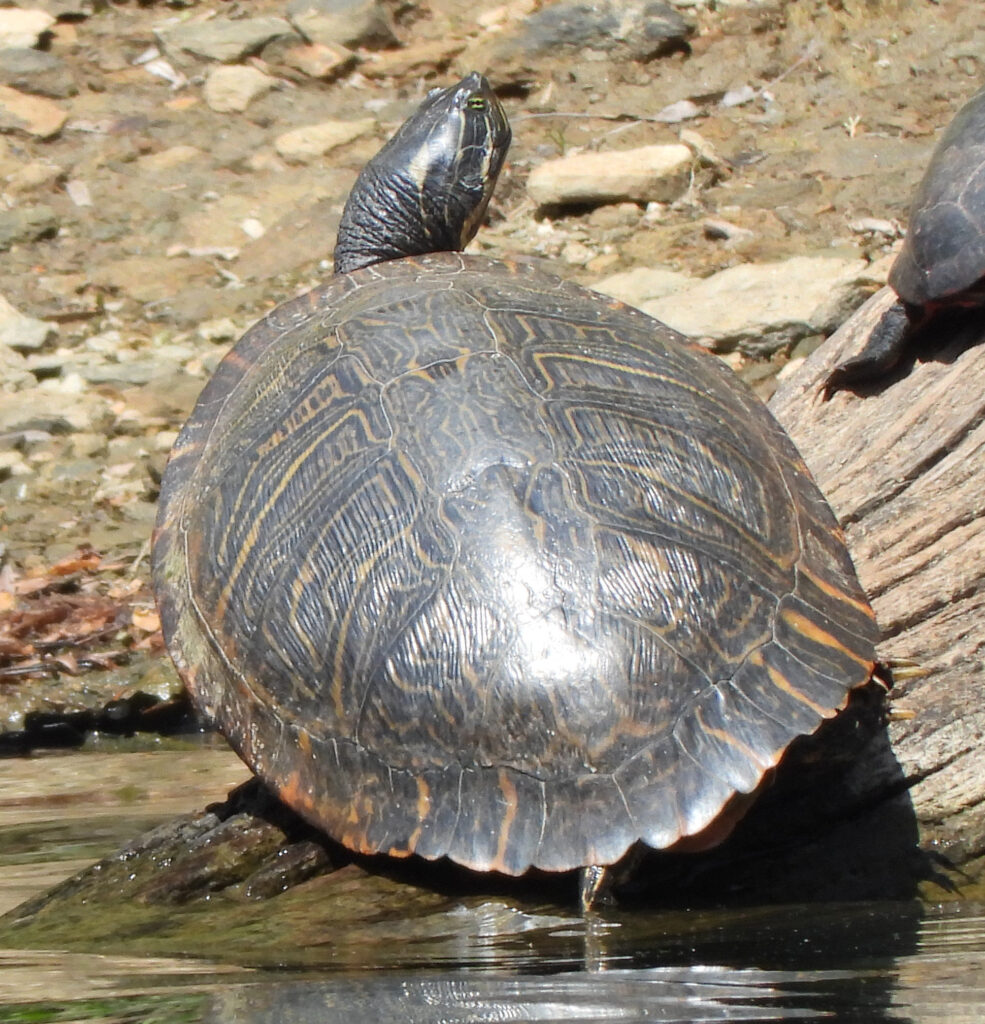
The plastron is yellow to orange with a dark pattern along the sutures, sometimes limited to the front half.
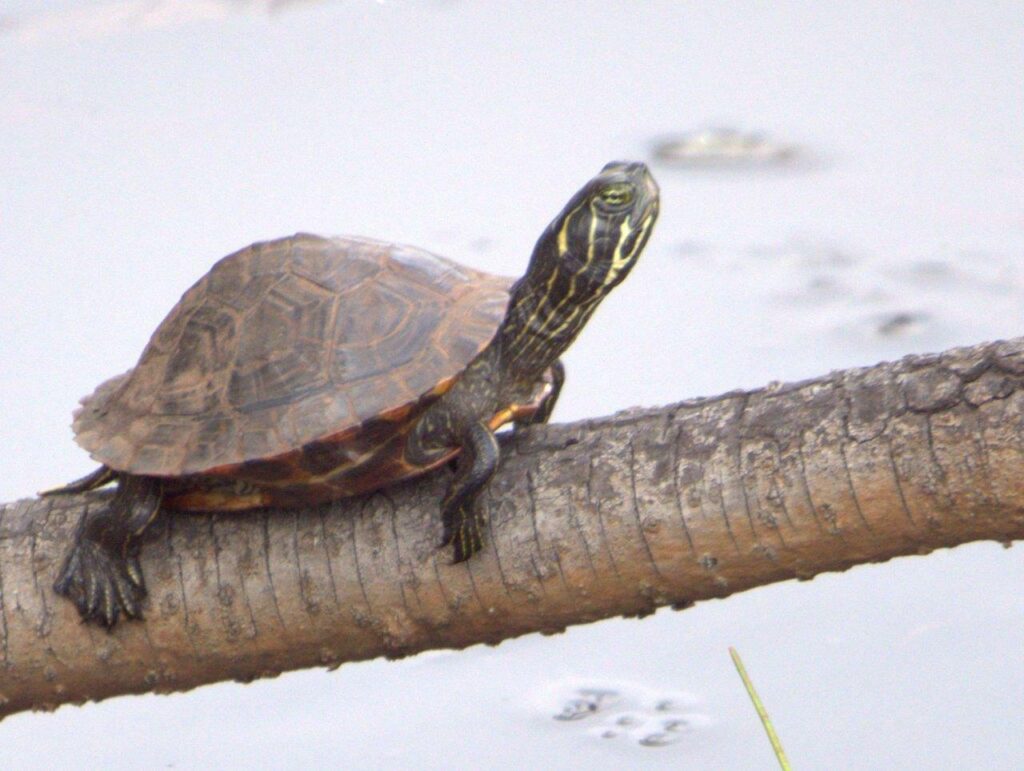
The skin is brown to olive with light yellowish bars and two very fine, parallel yellow stripes that run from the orbit to the neck. On the underside of the neck, thick yellow stripes run from the chin to the base of the neck. The outer part of the lower jaw is finely serrated.
Males have elongated claws on their front legs, while females are larger and more domed than males.
Subspecies
There are four distinct subspecies of the Pseudemys concinna turtle.
Pseudemys concinna concinna
Found from eastern Alabama to Virginia, it has two thin parallel bands behind the eyes and a small stripe in the center of the chin that splits into two branches forming a "Y".
Pseudemys concinna hieroglyphica
Occupies the upper Mississippi Valley, from southern Illinois and Missouri to Tennessee and southern Alabama, with a very pronounced inverted "C"-shaped pattern on the second costal scute of the carapace.
Pseudemys concinna metteri
Distributed from eastern Texas to southwestern Missouri, with a less reticulated pattern and a large, dark plastron.
Pseudemys concinna mobilensis
Found from Florida to Texas. It has red or orange stripes on the head and not much information is available about this species.
Pseudemys concinna suwanniensis
Found in western Florida, between northern Tampa and western Tallahassee, with an overall black color and five yellow-green bands between the eyes.
Habits
The hieroglyphic turtle (Pseudemys concinna) inhabits rivers with moderate currents and abundant aquatic vegetation, sometimes with rocky bottoms, and can also be found in some lakes, marshes, or ponds where livestock drink. They are capable of moving in brackish waters and are constantly basking in the sun, preferring emerging tree trunks or rock piles on the banks. They are very alert animals and quickly dive at any sign of danger. These turtles are diurnal.
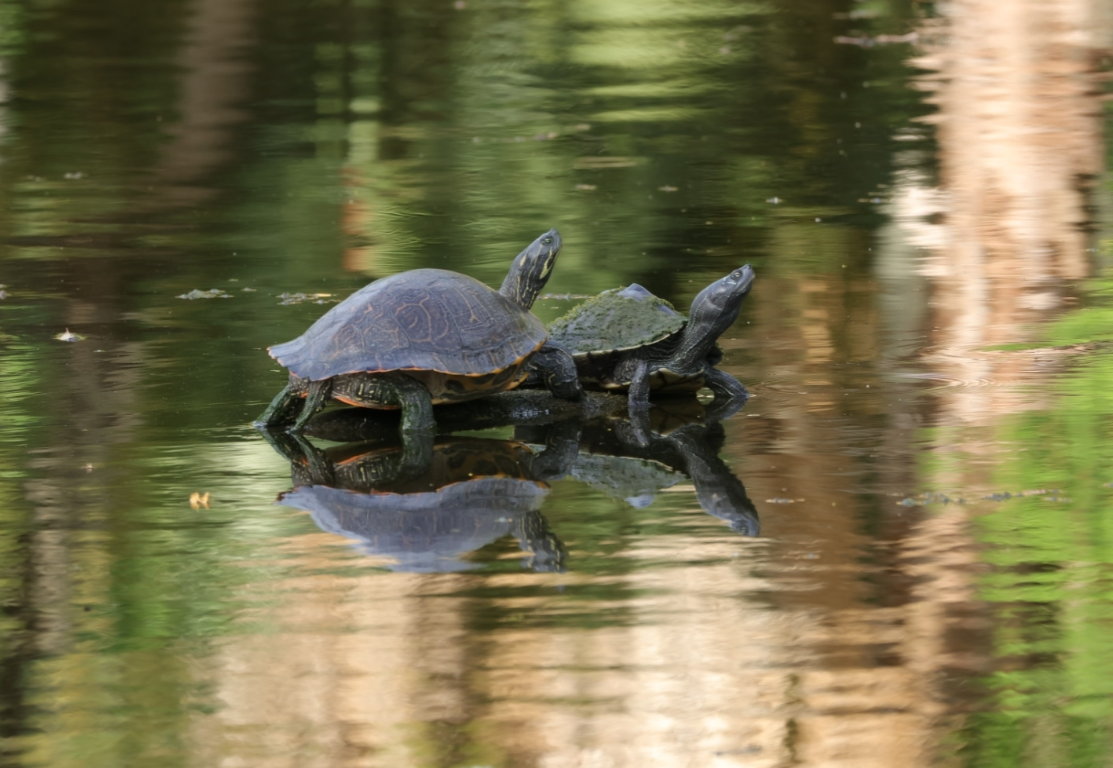
Their activity is especially high between April and October, although in the south they may be active year-round.
They usually feed early in the morning or late in the day, spending the rest of the time basking. Although they are very aquatic animals, they rarely come onto land. They can breathe without sticking their heads out of the water thanks to the hydrophobic edge of their nostrils (which does not absorb water), and when at the surface, they form a small "air tube" that allows them to breathe. On land, they are quite clumsy and slow.
How long does the hieroglyphic turtle live?
They can live up to 40 years in captivity as long as they are given proper care.
How big does the hieroglyphic turtle get?
The hieroglyphic turtle (Pseudemys concinna) can reach up to 42 cm.
Hieroglyphic turtle care
The care of the hieroglyphic turtle is similar to that of other aquatic turtles. Providing a balanced diet, an environment with enough sunlight, and adequate space are fundamental for their rapid growth and well-being, reducing the risk of disease.
If you need to keep this turtle indoors, you should provide it with an aquarium or aquaterrarium with a filter, UVB light, substrate, heater, dry area, and regular water changes.
A filter is essential to keep the water clean for long periods, prevent diseases, and save water. A UVB light is necessary for good digestion and proper nutrient absorption to ensure a strong shell. The substrate used should be appropriate for aquatic turtles to avoid accidental ingestion. A heater is also necessary to keep the water temperature between 25 and 28 degrees Celsius. Finally, providing a dry area where the turtle can rest and bask is essential.
It is recommended to avoid letting baby turtles hibernate. Water changes should be done weekly, changing 20% of the water in the aquaterrarium to keep nitrate levels low. A dechlorinator should be added to tap water if used for the turtle tank to prevent irritation from chlorine.
For more information, check out the complete guide to aquatic turtle care.
What does the hieroglyphic turtle eat?
These turtles eat insect larvae and some aquatic mollusks in the wild. They consume a wide variety of plants, such as sagittaria, water lily leaves, or filamentous algae.
Feeding in captivity
These turtles feed in the same pattern as aquatic turtles. They require a balanced diet for good growth and should not be fed gammarus or dried shrimp as their only food source.
A mix of turtle pellets and animal-based foods such as insects, snails, fish, and lean meats is recommended. While they may not easily accept fruits and vegetables, aquatic plants can be added to the tank for them to eat and to serve as decoration and a natural cleaner.

- sera Raffy P es el alimento complementario, que se compone de granulado flotante, cuidadosamente elaborado, para reptiles carnívoros, como las tortugas acuáticas. La composición equilibrada y sabrosa, con ingredientes animales y vegetales, que también son necesarios, se caracteriza por sus proteínas fácilmente utilizables, hidratos de carbono de fácil digestión y su alto contenido de ácidos grasos Omega. Satisface, de manera segura, las necesidades básicas de los reptiles carnívoros. Favorece su desarrollo sano y la vitalidad.
Reproduction
Mating occurs in spring, and the courtship is lengthy. The behavior of both sexes during mating is similar to that of other American species. Egg-laying takes place from May to June, and in the north, until the end of July. Some females lay their eggs at night.
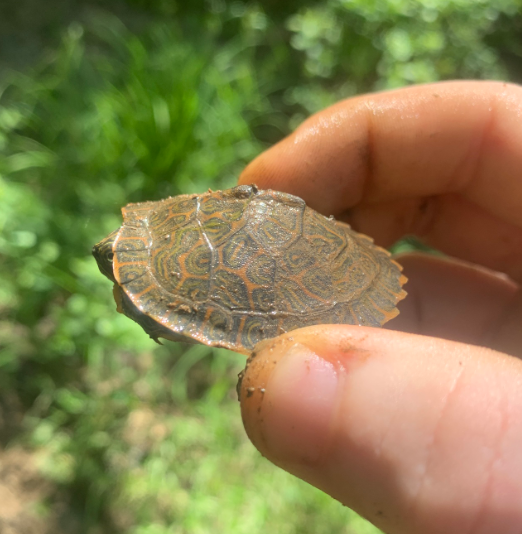
The eggs are pinkish white. On average, they lay 20 eggs per clutch, but several clutches can occur per season. Hatching occurs from late August to late September. The hatchlings are very colorful and have especially attractive patterns.
Compatible species
The hieroglyphic turtle usually does not have conflicts when cohabiting with turtles of the genera Trachemys, Pseudemys, Chrysemys, and Graptemys.
Conservation status
Habitat loss and competition with introduced species have also contributed to their decline. Despite conservation efforts, much remains to be done to protect and restore Pseudemys populations within their range.
This species, the hieroglyphic turtle, is a common turtle in pet stores, imported as a substitute for the well-known red-eared sliders, as is the case with other turtles like the red-bellied turtle. As a result, they are becoming an environmental problem since some irresponsible individuals release them into the wild. Because they adapt well, they eliminate various animals and plants within their reach and compete with our native turtles, Mauremys leprosa and Emys orbicularis.
Images of the hieroglyphic turtle
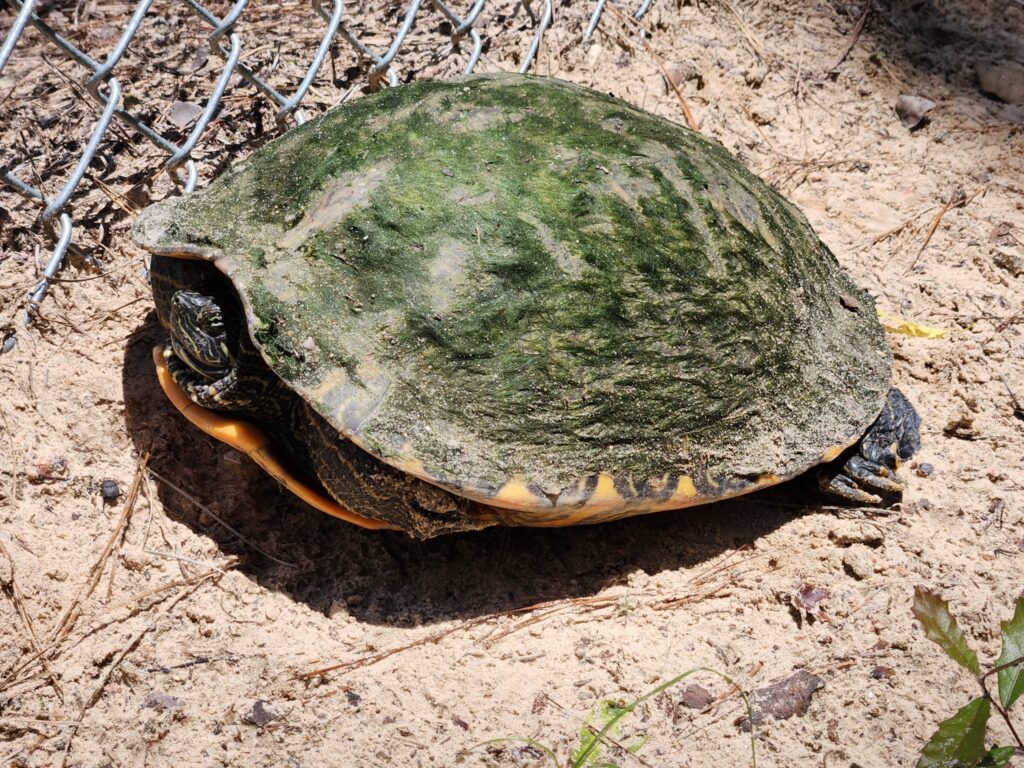
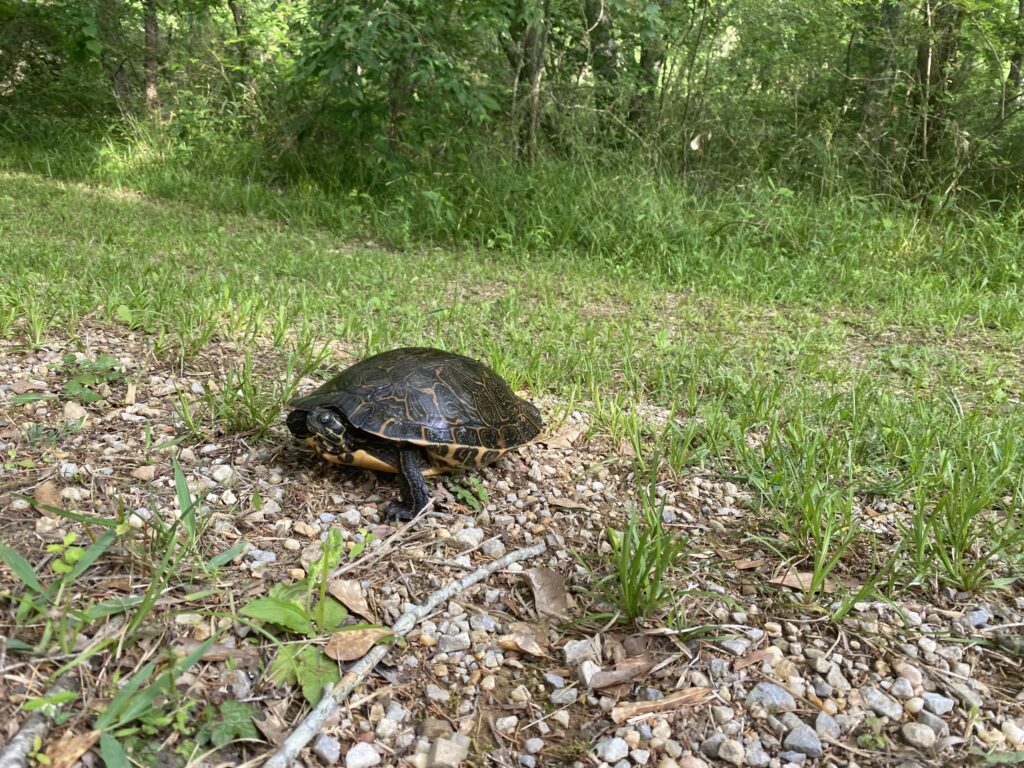
Below we show photos of the hieroglyphic turtle where you can see the characteristics described above:
Other species of aquatic turtles
There are many other fascinating species of aquatic turtles. Each turtle has specific care and dietary needs, but they can be wonderful pets for those willing to learn and commit to their well-being.